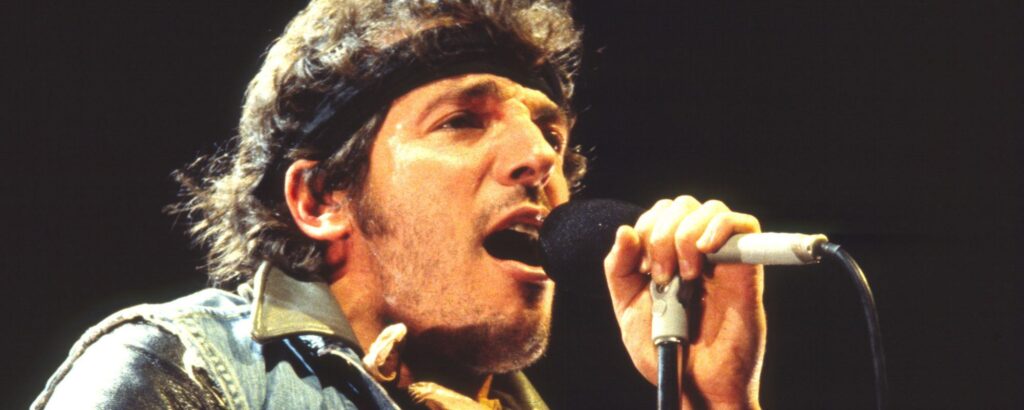
Bruce Springsteen Spitefully Wrote This Song After an “Explosive” Argument, and It Turned Into One of His Biggest Hits
Bruce Springsteen’s journey to creating one of his most iconic songs is as remarkable as the track itself. When the legendary rock star found himself in a heated disagreement with his longtime producer Jon Landau, the friction sparked inspiration, leading to a song that would become a monumental hit. This article delves into how Bruce Springsteen spitefully wrote this song after an “explosive” argument, giving birth to “Dancing in the Dark,” a track that resonates with audiences even today.
The Argument That Ignited a Classic
In the early months of 1983, Springsteen and Landau’s working relationship encountered a significant hurdle. As they discussed Springsteen’s forthcoming album, Landau bluntly expressed his dissatisfaction, claiming the material wasn’t strong enough to produce a single. Referencing this moment, Landau later reflected in Dave Marsh’s book, *Glory Days: Bruce Springsteen in the 1980s*, “When I used the word single, in my own mind, I meant it in a much bigger sense.” He wanted something that would resonate deeply with fans who had followed Springsteen through his earlier works.
In the throes of the argument, Springsteen shot back, asserting, “I’ve written seventy songs. You want another one, you write it.” This confrontation was a significant turning point; what began as a simple critique transformed into the catalyst for one of Springsteen’s greatest achievements. If Landau hadn’t taken that bold step, would the world have ever known the brilliance of the song that emerged? It’s a tantalizing question, emphasizing the complexities of artistic collaboration.
From Frustration to Inspiration
Despite their close friendship, both men described the incident as “weird.” Landau characterized their exchange as a “very explosive few moments,” a brief yet intense clash that quickly subsided. For Springsteen, the weight of expectation had undeniably become burdensome, compounded by the pressure to create something original and impactful when he felt creatively stifled. It was within this tension that the seeds of inspiration began to grow.
After this confrontation, Springsteen channeled his frustrations into what would become “Dancing in the Dark.” Initially, he had a vague concept for the song, including the line, “I get up in the morning.” However, as Springsteen worked through his emotions, the essence of the song transformed. “Well, how do I feel about that?” he pondered, reflecting the raw feelings of his creative process. Years later, he remarked, “It was just like my heart spoke straight through my mouth without even having to pass through my brain.” This instinctive approach allowed the chorus to materialize effortlessly, capturing the heart of his emotions.
The Impact of ‘Dancing in the Dark’
“Dancing in the Dark” became more than just a reaction to an argument; it evolved into one of Springsteen’s most commercially successful songs, peaking in the top ten worldwide. The track encapsulates the struggles and triumphs of personal expression, showcasing the power of artistic struggle to produce something truly lasting. Springsteen’s ability to transition from a moment of conflict to creating a beloved anthem serves as a testament to his resilience and creativity.
The journey of how Bruce Springsteen spitefully wrote this song after an “explosive” argument, ultimately transforming a conflict into art, reflects the intricate dynamics of artistic collaboration. It is a story of passion, creativity, and the profound connections that can emerge from moments of tension. Today, “Dancing in the Dark” remains a resounding classic, proof that sometimes, the most beautiful creations arise from the fires of discord.