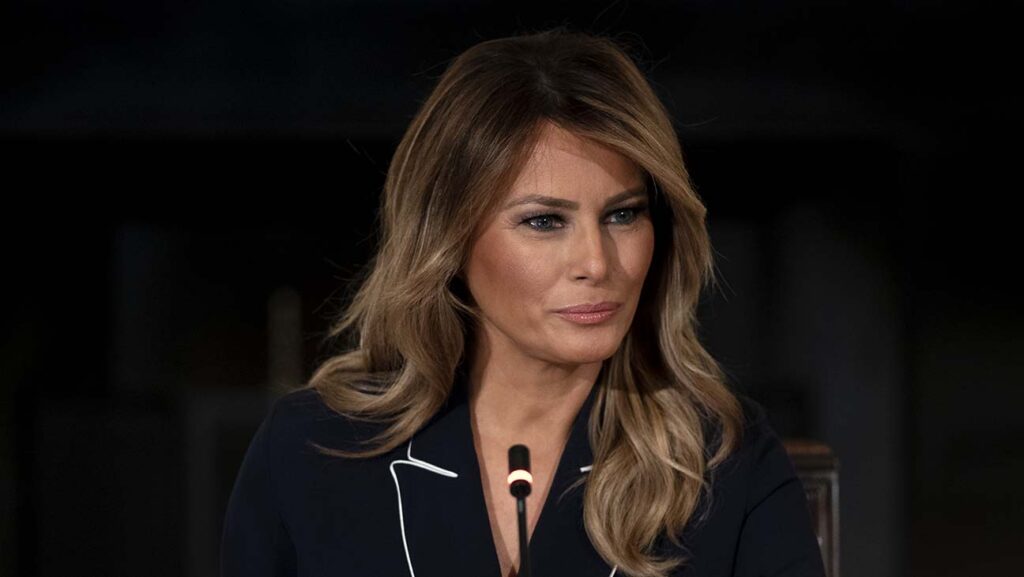
In a digital age where misinformation can spread rapidly, a phony Melania Trump Vanity Fair cover created waves across the political spectrum, fooling even seasoned media veterans like Laura Ingraham and inspiring playful responses such as a spoof by California Governor Gavin Newsom. The buzz around this misleading cover highlights the growing influence of digital hoaxes and their potential to stir both controversy and creativity.
The Controversial Cover
The faux Vanity Fair cover featured an AI-generated image of Melania Trump, dubbing her “the new American Queen,” and quickly circulated online, drawing reactions from various political figures. This cover emerged shortly after reports claimed that the former first lady had declined an actual Vanity Fair feature. The imagery and headline seemed almost deliberately crafted to provoke a reaction, becoming an instant talking point among both conservatives and liberals.
Ingraham’s Reaction and Public Response
Conservative commentator Laura Ingraham took to X (formerly known as Twitter) to share the cover with excitement, stating, “Let the meltdown begin. Love it.” Her post gained significant traction, with many of her followers praising the cover’s elegance and predicting a polarized response. However, the fact that several individuals believed the cover to be genuine highlights the challenges in an era where digital manipulation is prevalent.
Newsom’s Playful Parody
On the liberal side, Governor Gavin Newsom and his communications team responded with humor, creating their own spoof Vanity Fair cover featuring a crowned Newsom. The parody, titled “King Newsom,” humorously claimed to include a story on “Hair, Gel and the Art of Being so Handsome.” This lighthearted response illustrated how the misinformation incident inspired creative engagement across party lines.
The Truth Behind the Hoax
The orchestrators of this deceptive cover were identified as the Next News Network, a YouTube-based channel led by Gary Franchi. Known for fabricating outrageous stories, the network falsely claimed a leak from Vanity Fair and even implicated renowned photographer Annie Leibovitz, asserting she had shot the cover image. These seemingly credible elements contributed to the initial belief in the ruse.
The fake cover’s caption on X teased an upcoming release, encouraging anticipation for an explosive reaction from the liberal media, yet it all stemmed from a cleverly executed fabrication. This incident serves as a reminder of the ease with which misinformation can be woven into the fabric of public discourse.
In closing, the phony Melania Trump Vanity Fair cover not only demonstrated the challenges of digital misinformation but also showcased how figures across the political divide can use such moments to engage, entertain, and ultimately reveal the truth behind the deceit.