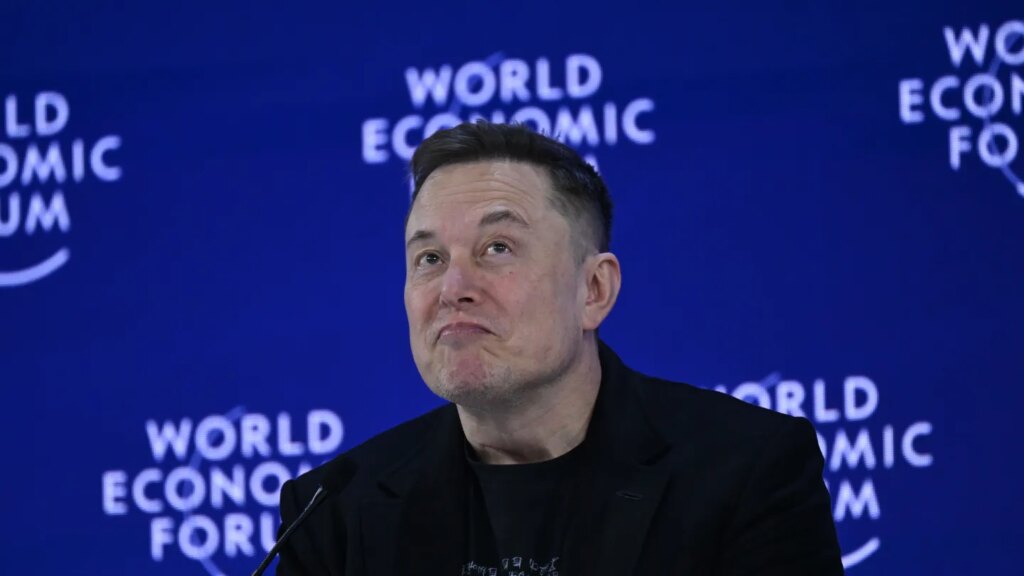
Elon Musk, the prominent figure behind various technological ventures, is once again in the spotlight as the Paris prosecutor summons him amid an ongoing investigation into his social media platform, X. This development follows a high-profile raid on X’s Paris headquarters, sparking discussions around alleged cybercrime and the spread of illegal content. As the investigation deepens, questions arise about X’s compliance with French regulations, particularly concerning digital content moderation and cybercrime laws.
Investigation and Implications
This week, French prosecutors conducted a raid on the Paris offices of X, the social media platform controlled by Elon Musk. The raid, led by the prosecutor’s cybercrime unit in collaboration with France’s national police cyber division and Europol, comes as part of a broader probe into the dissemination of illegal content and alleged cybercrimes associated with the platform.
The Paris prosecutor has summoned Elon Musk and former CEO Linda Yaccarino for voluntary questioning. Despite being labeled as voluntary, these summonses are mandatory under French law, creating complexities given both individuals reside outside France. X’s French employees have also been called to testify, with hearings scheduled for late April.
Origins and Expanding Scope of the Investigation
The investigation has its roots in a complaint filed by center-right French lawmaker Éric Bothorel. He alleged that after Musk’s acquisition of X in 2022, algorithmic changes led to biases that amplified extreme political content while reducing diversity in discourse. Since then, the investigation has widened to scrutinize X’s AI tool, Grok, for its alleged role in generating and distributing harmful materials, including child exploitation content and Holocaust denial material, an offense in France.
Europol, supporting the inquiry through its European Cybercrime Centre, has emphasized the range of suspected offenses related to the platform’s operation. The Paris prosecutor’s office aims to ensure that X adheres to French law within its jurisdiction.
X’s Response and Wider European Context
X has responded by rejecting the allegations, deeming the investigation politically motivated. The company insists that the French legal framework is being misapplied to curb free speech while assuring that it will protect user data and oppose political censorship efforts.
The unfolding legal challenges against X occur within a broader context of European regulatory tightening around social media. Governments across Europe are contemplating stricter measures to enforce accountability, especially concerning child protection and the mitigation of harmful online content. Recently, France passed legislation to restrict social media access for children under 15, reflecting similar initiatives worldwide.
The outcome of this investigation could significantly influence the operational strategies of social media platforms across Europe, potentially setting new precedents for regulatory compliance and digital content management.