Celebrating its 30th anniversary, the Busan International Film Festival is not merely reflecting on its storied past. Instead, under the visionary leadership of director Jung Hanseok, it’s embarking on a transformative journey that’s redefining its role in the Asian cinema landscape. This pivotal edition introduces bold changes, marked by the launch of its inaugural Competition section, promising a renewed chapter for the festival’s future.
Redefining the Festival’s Structure
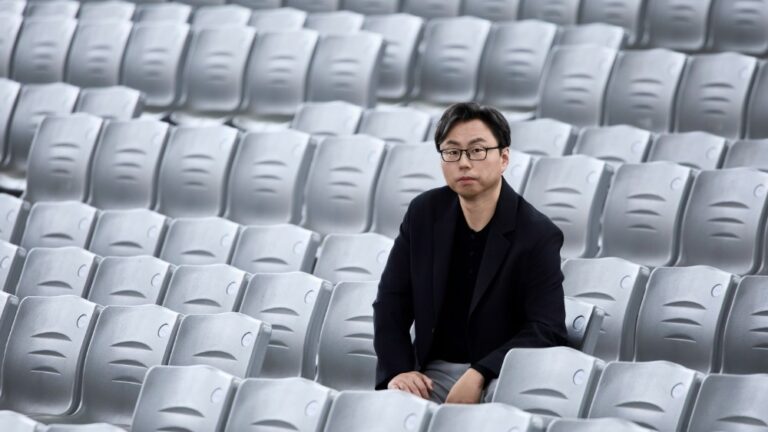
Opening with Park Chan-wook’s “No Other Choice,” this milestone year stands out as the most significant evolution in the festival’s history. The introduction of the first-ever Competition section at Busan showcases Jung Hanseok’s intent to revolutionize the festival’s format. “The weight of the number ’30’ is definitely undeniable,” Jung shared in an interview. Yet, he emphasizes that the focus is not on past successes but on initiating “the very beginning of a new chapter” for the festival.
A Bold New Competition
Central to this transformation is the merging of the New Currents and Kim Jiseok programs, creating a streamlined, impactful platform dedicated exclusively to Asian cinema. Jung candidly admits that the previous structure had reached its limits of influence, prompting this strategic overhaul. By focusing on quality over geographical diversity, the new competition section aims to elevate the festival’s prestige within the cinematic community.
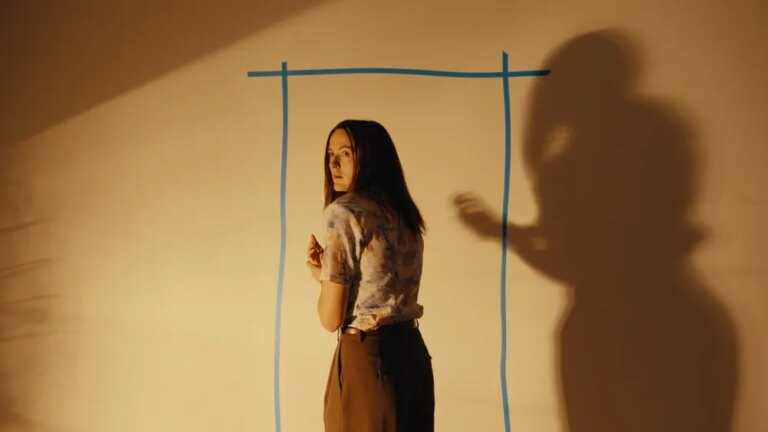
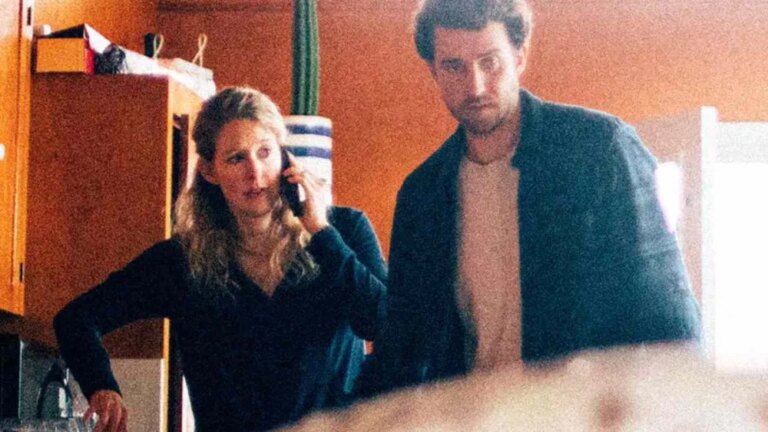
Jung’s approach is already yielding positive outcomes. Soon after the lineup announcement, films like Daisuke Shigaya’s “Leave the Cat Alone” and Vimukthi Jayasundara’s “Spying Stars” secured sales agents, highlighting the competition’s role in boosting their international profiles.
A Visionary Approach to Programming
This year, 241 films are showcased across expanded venues. Revamped sections such as an extended Midnight Passion and the return of Asian Cinema 100 demonstrate Jung’s emphasis on maintaining balance while making bold programming choices. His philosophy is about seeing “the whole forest” rather than just the individual trees, ensuring the festival remains comprehensive yet focused.
The Competition’s debut trophy, designed by Palme d’Or winner Apichatpong Weerasethakul, encapsulates Busan’s new spirit. Crafted to resemble a heart or flower vase with flowing water, it symbolizes the festival’s ever-changing, creative essence.
Forum BIFF: Addressing Industry Challenges
Forum BIFF reflects Jung’s commitment to practical solutions for industry challenges. By concentrating on the Korean film industry crisis and Asian cinema trends, the forum seeks actionable insights rather than abstract theories. “Our approach is one and the same: to avoid abstract rhetoric,” Jung emphasizes, showcasing his proactive stance.
The festival’s opening film, Park Chan-wook’s “No Other Choice,” was selected not just for its artistic and commercial appeal, but as a beacon of hope for the struggling Korean film industry. With director Na Hong-jin leading the competition jury, Jung underscores the desire for leadership marked by “vision and audacity.”
As BIFF evolves, Jung remains focused on establishing the new competition section rather than transforming every aspect of the festival. However, he acknowledges the potential for future expansion, hinting at possible new awards or programs if this initiative proves successful.
Entering its fourth decade, the Busan International Film Festival, under Jung’s leadership, positions itself not just as a showcase of Asian cinema, but as a pivotal industry platform driving the region’s filmmaking future.