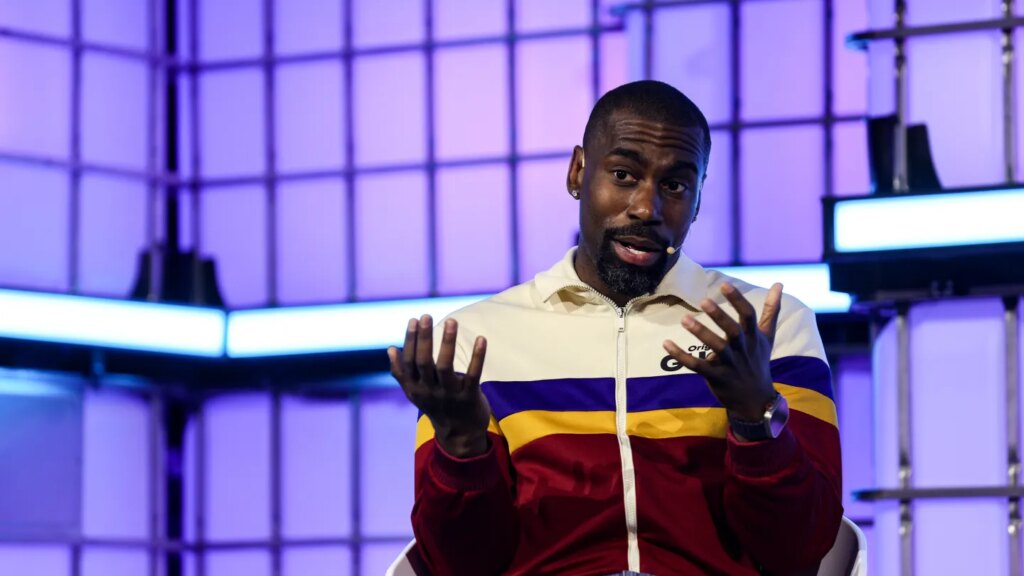
DeRay Mckesson, a prominent Black Lives Matter activist turned podcaster and digital storyteller, has had a front-row seat to the evolution of social movements over the past decade. Emerging as a significant figure in the fight against police violence in 2014, Mckesson’s unique perspective comes from his experiences as both a street-level protester and a digital communicator. At the recent Web Summit in Lisbon, Mckesson shared his longing for an essential mobilization platform that was pivotal during the Trump era: Twitter.
The Power of Twitter in Activism
During a session titled From Chaos to the Campaign, moderated by Maer Roshan, editor-in-chief of The Hollywood Reporter, Mckesson nostalgically remarked, “I miss Twitter. Twitter rest in peace. It was such a powerful platform for us back then.” In his view, Twitter was instrumental in organizing protests and disseminating information swiftly during a time when rapid mobilization was crucial to the Black Lives Matter movement.
Changing Landscape of Social Media
Mckesson observed that the landscape of social media has shifted significantly with the rise of platforms like Instagram and TikTok, which have changed how civil rights activists engage with their audiences. He noted that unlike the immediacy of tweeting, these platforms encourage more polished, longer-form content. “Especially on Instagram, capturing video footage and getting it out takes time,” he explained, highlighting the evolving nature of digital storytelling.
Impact on Political Engagement
The recent U.S. midterm elections showcased how activists today leverage Instagram and TikTok for more effective outreach. “There are way more people with access to stories and sort of talking because of Instagram and TikTok, in a way that does feel different,” said Mckesson. He pointed to New York City Mayor Zohran Mamdani as an example of a political figure who adeptly utilized social media to bring the issue of affordability to the forefront of his campaign efforts.
Shifts in Public Awareness
Mckesson also touched upon the increased public awareness of social justice issues compared to a decade ago. Following the rise of the Trump administration, he noted how grassroots mobilization against Immigration and Customs Enforcement (ICE) has surged. “In 2014-15, we were a small group of people worried about ICE. Now there’s huge groups of people who don’t even identify as protesters or activists and are pushing on ICE,” he said, emphasizing the broader engagement and questioning of systemic injustices that are now more prevalent.
The Role of Legacy Media
Moreover, Mckesson pointed out that mainstream media has evolved to play a more supportive role in raising awareness of social and political issues. He stated, “We do see legacy media sort of helping us challenge systems when some of the stuff is just so bizarre, but people think that’s normal,” indicating a shift in how traditional media engages with social movements.
Continuing Advocacy Through New Mediums
Today, Mckesson co-hosts the Pod Save the People podcast from Crooked Media, diving into pressing topics surrounding social justice, culture, and politics. He expressed contentment with his current platform: “I’m okay with preaching to the choir. The choir needs good messaging. I do think people are smarter today than they were in 2014. People can handle nuanced conversation in a way that is actually really powerful.”
As Mckesson navigates this new digital landscape, his reflections provide insightful commentary on the transformation of advocacy and the tools that shape modern movements, revealing both the opportunities and challenges that lie ahead.