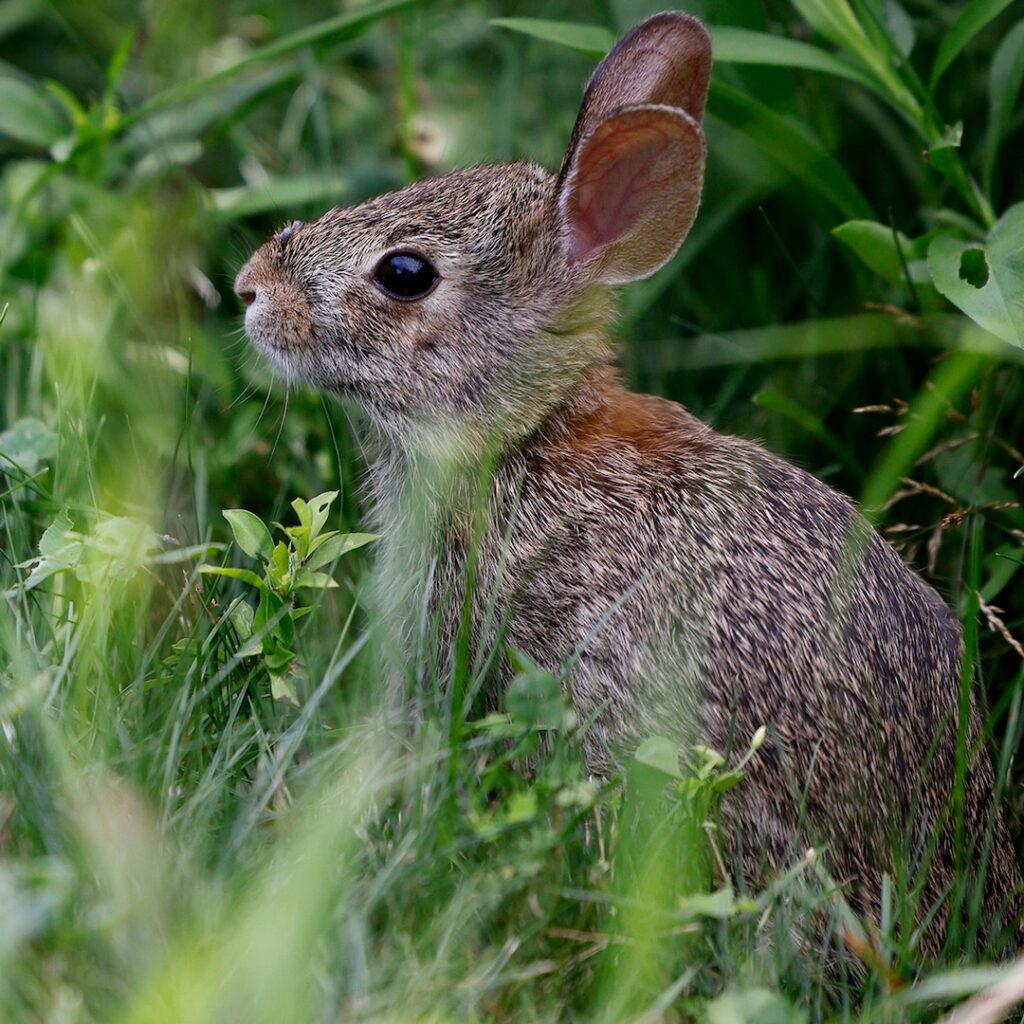
Recent images of rabbits in Fort Collins, Colorado, displaying strange, tentacle-like horns have caught the attention of many. These images, unlike viral trampoline-jumping rabbit videos, are genuine. This peculiar sight has sparked both curiosity and concern, but there’s a straightforward explanation behind this unusual phenomenon.
Understanding the Phenomenon: Cottontail Rabbit Papillomavirus
The rabbits are affected by the cottontail rabbit papillomavirus. This viral disease causes malignant tumors, often appearing on the rabbits’ heads. According to PetMD, while wild rabbits are most commonly affected, domestic rabbits can experience outbreaks, typically in the fall and summer.
The transmission of this virus primarily occurs through biting arthropods, like mosquitoes and ticks. In Fort Collins, the afflicted rabbits exhibit large, black, twisted growths due to this virus, giving them an eerie appearance.
Impact on Pet Rabbits
Despite their alarming look, there’s no immediate danger to pets, including rabbits. The presence of these horn-like growths doesn’t indicate a new or terrifying virus, but rather a known condition impacting wild rabbit populations.
While it’s important for pet owners to be aware and take preventive measures against biting insects, there’s no need for drastic actions concerning their pets.
A Closer Look at the Virus
Cottontail rabbit papillomavirus is a well-documented condition. Studies have shown its occurrence to be cyclical, influenced by the seasons and the presence of vectors like mosquitoes. Understanding its biology helps in managing both the perception and the reality of its impact.
Photos of rabbits with tentacle-like horns in Colorado may be startling, but they highlight the fascinating and sometimes harsh interactions between wildlife and nature. Though curious and somewhat unsettling, these images are a testament to the complexity of ecosystems. As quirky as they may seem, those horned rabbits remind us of nature’s unpredictability and the ongoing dance of survival.