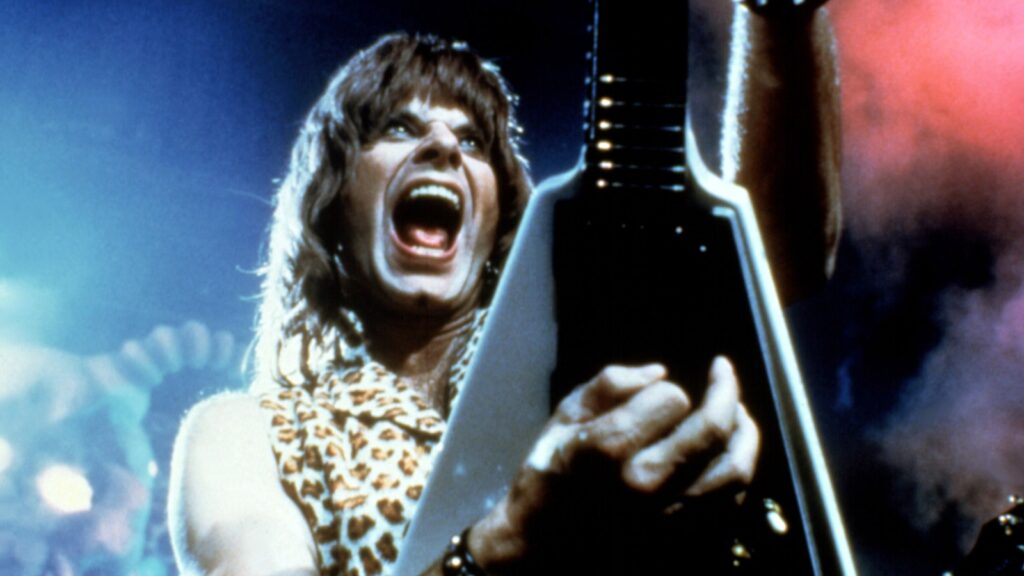
Christopher Guest, a cornerstone of comedic filmmaking, is renowned for bringing unforgettable characters to life. One of his most iconic creations is Nigel Tufnel from “This Is Spinal Tap.” In a recent Rolling Stone Music Now episode, Guest delves into the origins of this legendary character. As we explore the comedic genius behind Nigel Tufnel, we uncover anecdotes that reveal the character’s development, shared laughs, and more. With phrases pulled directly from Guest’s own stories, we gain a vivid picture of how Tufnel was birthed into the rock ‘n’ roll world.
The Evolution of Nigel Tufnel
Christopher Guest, who has been largely retired from filmmaking, took a rare step back into the spotlight for “Spinal Tap II: The End Continues.” Despite having no immediate plans for new films after “Mascots” in 2016, he found himself drawn back to Nigel Tufnel. “When we got together, we made each other laugh,” Guest recalls, highlighting the reunion’s joy. His contributions to films like “A Mighty Wind” and “Best in Show” have long followed the mockumentary style, enhancing the comedic narrative.
Misconceptions and Inspirations
Though some fans believe Nigel Tufnel resembles Jeff Beck, Guest denies this inspiration. “We had no money doing the first movie,” he explains, recounting the wig-hunting process that led to Tufnel’s unique look. Despite the supposed resemblance, Guest hadn’t consciously modeled the character on Beck, with whom he later became friends. Guest’s approach relied on spontaneous creativity rather than visual mimicry.
Songwriting and Stonehenge
The creative music process for “Spinal Tap” is equally intriguing, with Guest and Michael McKean developing songs together. They once crafted an unreleased track titled “The Princess and the Unicorn,” which set the scene for “Stonehenge” to follow. Guest describes these spontaneous sessions with a sense of nostalgia, remembering the joy of collaboration and the whimsical nature of their songwriting.
Elton John and The Sequel
Guest shares admiration for Elton John, who embraced a spontaneous stunt for “Spinal Tap II.” Elton’s willingness to partake in a demanding scene speaks volumes. “He was such a good sport,” Guest remarks, applauding Elton’s zeal despite physical challenges. This anecdote underscores the dedication shared by those involved in the sequel, bringing old characters back to life with vigor.
Improv Origins
Interestingly, much of Guest’s improvisational style stems from an early struggle with memorization. “I was in a band when I was 16 or 17,” he recalls, needing constant reminders for lyrics. His difficulty remembering lines led him to embrace improvisation as a tool, a method he finely honed across his career. This adaptability lies at the heart of Guest’s enduring success in comedy.
For those interested in more insights from Christopher Guest, download and subscribe to Rolling Stone’s weekly podcast, Rolling Stone Music Now, available on various streaming platforms. Delight in years of content featuring discussions with prominent music figures and discover more about the creative spirits behind your favorite stories.