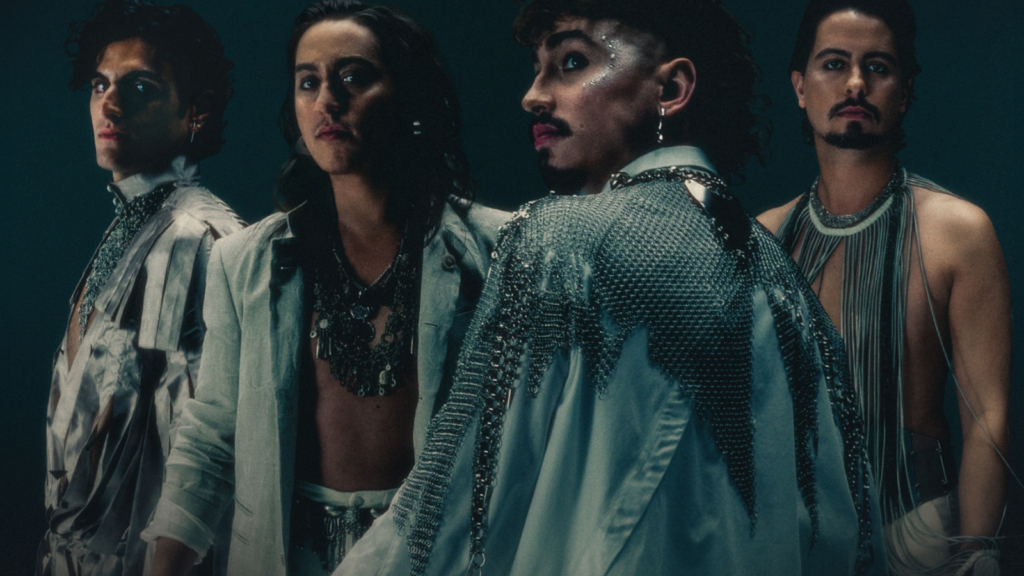
In a new legal battle, choreographer Felix “Fefe” Burgos claims that Epic Games has used his unique dance moves, originally crafted for Rauw Alejandro’s hit “Touching the Sky,” in their popular game Fortnite without permission. This case brings the spotlight back on Epic Games, which has faced previous allegations of using choreography without proper authorization, raising questions about intellectual property rights within the gaming industry.
The Alleged Infringement
Burgos alleges that Epic Games incorporated his choreography into a Fortnite emote named “Touching the Sky,” mirroring Alejandro’s song title. These emotes, purchasable as animations for player avatars in Fortnite’s “Item Shop,” allow players to use specific moves in the game. Priced at 500 V-Bucks, the “Touching the Sky” emote replicates the dance Burgundy choreographed for the music video, without his consent.
The lawsuit filed by Burgos describes Epic’s actions as a “brazen infringement,” supported by a YouTube video showcasing a side-by-side comparison of the Fortnite dance and the music video choreography. Burgos asserts he registered his choreography with the U.S. Copyright Office in 2024, the same year Alejandro’s video, garnering over 9 million views, was released.
Legal Actions and Previous Cases
The lawsuit claims that Epic failed to seek authorization or compensate Burgos for his choreography, despite making substantial profits. “Epic made a fortune from unlawfully and unfairly misappropriating Burgos’s and other artists’ creative expression,” the suit states, emphasizing the need to prevent further unauthorized use.
This isn’t the first time Epic Games has faced such allegations. Back in 2018, rapper 2 Milly accused the company of using his “Milly Rock” dance without permission. More recently, choreographer Kyle Hanagami’s complaint against Epic established new scrutiny for how copyright issues involving choreography are handled. Though his initial suit was dismissed, it prompted a reevaluation by the Ninth Circuit, advocating for a comprehensive view of choreography as a form of artistic expression.
Industry Implications
The continuing legal confrontations underscore the importance of recognizing and respecting choreography as a copyrighted art form. The new lawsuits have made creators like Burgos more vigilant about protecting their work, leading to more registrations of their creative content.
Yet, the lawsuits also reveal an evolving strategy by Epic, which has reportedly started contacting some artists for licensing agreements, albeit for minimal compensation, often targeting young creators from platforms like TikTok. This developing landscape stresses the necessity for fair compensation and acknowledgment of artistic contributions, especially for established professionals like Burgos.
No comment has been made by Epic Games regarding Burgos’s claims, but the discussions raised by these legal battles could reshape how choreography and dance moves are perceived and protected in digital media and beyond.