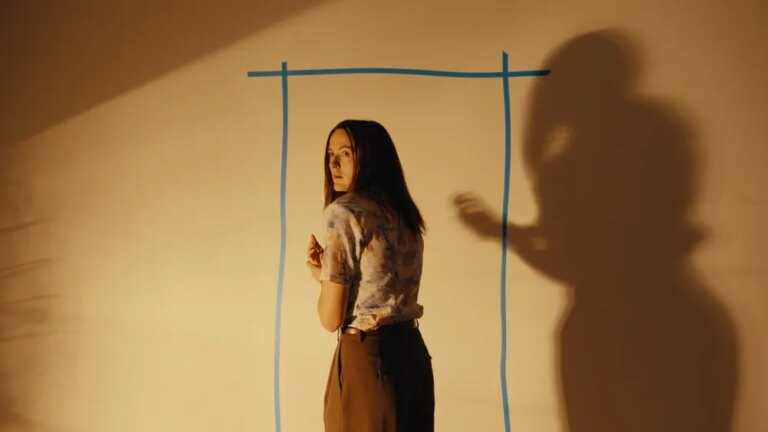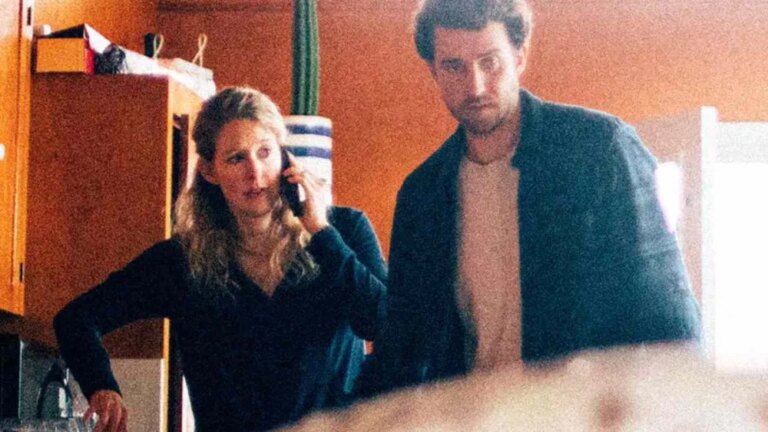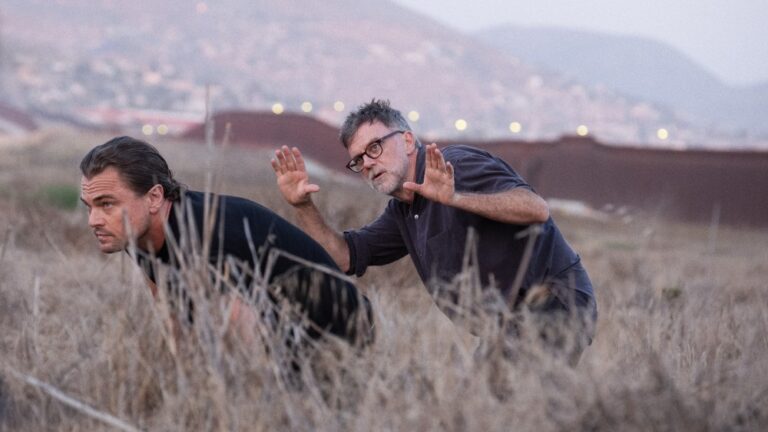
In the vast landscape of California, Paul Thomas Anderson’s latest film, “One Battle After Another,” weaves a rich tapestry of intriguing characters and stunning locations. Stretching from the deserts of San Diego to the towering redwoods in Northern California, the film captures a unique essence of the state. Production designer Florencia Martin faced the daunting challenge of piecing together diverse locations, including filming next to the border wall and consulting with real weed-growing nuns, to bring this ambitious story to life across a striking tapestry of California.
Creating a Complex Landscape
Anderson’s films are renowned for their deep characters and unique visuals, but “One Battle After Another” escalates these elements to an epic scale. The movie follows Sean Penn’s character, Col Steven J. Lockjaw, as he chases Leonardo DiCaprio’s Bob and his daughter Willa, portrayed by Chase Infiniti. This adventure meanders through the deserts east of San Diego, down to the Tijuana border, and up into Northern California’s lush redwoods. Production designer Florencia Martin noted the film’s gigantic scope, meticulously crafting settings that span the sort-of present day in a reality all its own.
The film’s locations, ranging from Sacramento rail yards to the Tijuana border, offered a distinct portrayal of California that diverges from its usual coastal imagery. “It really is like a tapestry of California to me – a California that we don’t really know,” Martin shared. The production spanned nine counties and leveraged $8.4 million in California production subsidies, ensuring the places depicted were as varied and vibrant as the state itself.
Authentic Inspirations and Settings
Drawing inspiration from Thomas Pynchon’s novel “Vineland,” upon which the movie is loosely based, the creative team embarked on a scouting mission beginning in Eureka, California. With a dedication to authenticity, the team explored towns like Sacramento, Stockton, and Fresno, uncovering a tapestry of new California narratives.
The unique blend of old and new technologies posed additional challenges. Anderson and Martin designed revolutionary tools for characters in an ambiguous present, crafting an engaging mix of 3G networks, ham radios, and fantasy elements. Martin described the process as “a long journey to imagine how this group communicates, with some imaginative twists.”
Exploring California’s Hidden Tapestries
The tapestry of California is further enriched through settings like Bob and Willa’s hideout, Sensei’s apartment, and the Sisters of the Brave Beaver compound. These locations are brought to life with expert production design and insightful local consultations, such as working with the Sisters of the Valley, renowned weed nuns, to inform the movie’s monastery scenes.
Bob and Willa’s home, a secluded redwoods-encompassed cabin, reflects their evolution into a life of reclusion. Sensei’s vibrant, layered apartment in El Paso, meanwhile, offers a cinematic glimpse into a covert refuge system, steeped in the city’s cultural essence.
Crafting Cinematic Drama
The border detention camps portrayed in the film incorporated historical and contemporary images, focusing on authenticity and sensitivity around the issue of family separations. This deliberate approach extended to the dynamic chase scenes in the Anza-Borrego desert, where the so-called “river of hills” set the stage for intense cinematic moments. According to Martin, these sequences required coordination with cinematographer Mike Bauman, tapping into California’s diverse and dramatic topography.
Overall, shooting “One Battle After Another” became a journey of exploring California’s multifaceted stories and settings, a complex narrative woven into its picturesque tapestry. Florencia Martin’s work ensured that each location offered a window into the Golden State’s lesser-known shadows and glories, creating an unforgettable backdrop for Anderson’s ambitious film. With a team renowned for their excellence, the production not only achieved technical triumphs but also deepened the connection to California’s unique cultural landscape.