Director Byun Sung-hyun’s latest venture, the Netflix film “Good News,” offers a fresh take on a compelling Cold War story, uncovering unexpected humor in a 1970s hijacking incident. This unique black comedy, inspired by real events involving Japan, South Korea, and North Korea, marks Byun’s fourth collaboration with acclaimed actor Sul Kyung-gu. By exploring a “different aspect” of Sul and bringing new life to historical narratives, Byun demonstrates why such stories still hold relevance today.
Unearthing Comedy in Crisis
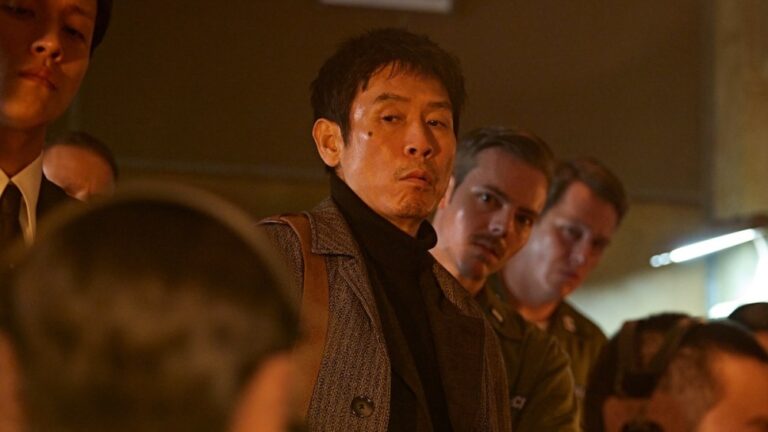
“Good News,” produced by Star Platinum, dramatizes a tense 1970 incident where a communist group hijacked a passenger plane, diverting it to Pyongyang. Byun Sung-hyun introduces us to a mysterious fixer known as “Nobody” (played by Sul Kyung-gu), who navigates a covert operation to rescue the plane. Alongside him is Park Sang-hyeon (played by Ryoo Seung-bum), head of the Korean Central Intelligence Agency. Adding to the ensemble, Hong Kyung portrays Seo Go-myung, an elite Air Force lieutenant accidentally swept up in a mission to “double hijack” the plane. The cast also features Takayuki Yamada, Kippei Shiina, Kim Seung-o, Show Kasamatsu, and Nairu Yamamoto.
Crafting a Unique Narrative
Byun sought to deviate from his past works such as the 2023 action thriller “Kill Boksoon,” gravitating towards black comedy. “I wanted to take on a black comedy, so I began looking into real-life incidents that might suit the genre,” he shared. While maintaining the factual surface of the hijacking, Byun skillfully injected fictional elements to explore underlying dynamics. This blend of reality and creativity helped maintain the integrity of the story while allowing artistic freedom.
The Art of Chapter-based Structure
The film is structured into five chapters, each with its own tone. Byun explains, “As the tone shifts slightly throughout the story, I thought a chapter-based structure would be the best way to manage these changes.” This approach ensures that the narrative flows smoothly, catering to the evolving themes and moods of the film.
Exploring New Facets of Familiar Talent
This film marks Byun’s fourth collaboration with Sul Kyung-gu. Known for exploring the familiar depths of an actor’s range, Byun sought a fresh perspective on Sul’s abilities. “After working with the same actor on three films in a row, you’ve inevitably made use of much of what he has to offer,” Byun noted. Drawing inspiration from Sul’s earlier performances, especially in Lee Chang-dong’s “Oasis,” Byun crafted a character that allowed Sul to adopt a more theatrical and nuanced approach.
Resonance with Modern Times
The Cold War era depicted in “Good News” continues to echo in today’s geopolitical landscape. Byun commented, “Even after 50 years, I felt that this story could still resonate today, because the core dynamics haven’t changed all that much.” The film deftly blends historical context with contemporary relevance, offering insights into enduring human and political behaviors.
Byun Sung-hyun embraces the challenge of crafting a black comedy, skillfully navigating its complexities. Reflecting on the genre’s demands, he shared, “Political noir is challenging, but I personally believe black comedy is an even more difficult genre to handle.” As he looks toward future projects, Byun hints at exploring different genres, though his trademark humor will undoubtedly persist.
“Good News,” which premiered at the Busan International Film Festival, is now available for streaming on Netflix, allowing audiences worldwide to experience this unique blend of comedy and historical drama.