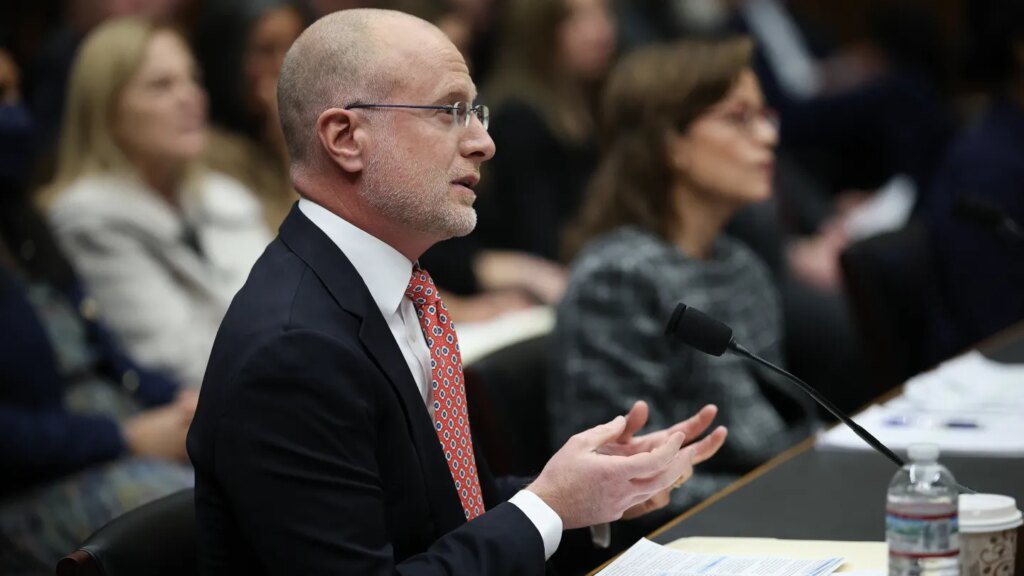
Brendan Carr, a prominent figure at the Federal Communications Commission (FCC), has sparked a lively discussion with late-night personalities over recent changes to the FCC’s equal time rules. These adjustments could significantly impact how talk shows, both daytime and nighttime, handle political candidates. Central to the debate is whether the longstanding exemptions for shows deemed “bona fide news” still hold merit in today’s media landscape. The phrase “fake news” has become a focal point in determining exemptions, leading to spirited exchanges among media personalities and FCC officials, including late-night host Jimmy Kimmel.
Rethinking the “Equal Time” Rule
During a press conference, FCC Chairman Brendan Carr detailed the agency’s decision to revise rules that have long granted exemptions to talk shows like The View and The Tonight Show. Historically, these programs were allowed to bypass the “equal time” mandate due to their classification as bona fide news interviews. This exemption traces back to a 1996 decision involving Jay Leno’s Tonight Show. However, Carr emphasized the need for stricter oversight to prevent the misuse of this exemption by shows masquerading as news outlets.
The Scope and Implications
Carr explained that these changes primarily target broadcast television, acknowledging criticisms that similar rules should also cover talk radio, which leans more conservative. “There wasn’t a relevant precedent that we saw being misconstrued on the radio side,” he mentioned, clarifying that the initial focus was on television. Democratic FCC Commissioner Anna Gomez countered this view, stressing that the rules should apply uniformly to both television and radio, irrespective of political affiliations.
Late-Night Hosts Weigh In
The introduction of new FCC equal time rules has not gone unnoticed by late-night hosts. Jimmy Kimmel humorously highlighted the anachronism of the existing framework, pointing out the vast array of modern media outlets that bypass such mandates. Carr acknowledged Kimmel’s remarks about the unique application of these rules to broadcast TV, noting that while cable and online platforms offer alternative distribution channels, those using public airwaves must comply with the public interest standard.
Political Motivations and Future Impacts
Commissioner Gomez criticized the changes, arguing that the FCC under the current administration has shifted its focus from consumer interests to political agendas. She urged broadcasters not to be intimidated, emphasizing that while the FCC’s recent guidelines might seem threatening, they do not alter fundamental First Amendment rights. Gomez expressed concerns that the rule changes are an attempt to discourage critical reporting of the administration.
As debates continue, the conversation around the FCC’s equal time rules underscores the evolving nature of media and regulation in a digital age. The dialogue between figures like Brendan Carr and media personalities illustrates the complexity of maintaining fair broadcasting standards in a rapidly changing landscape.