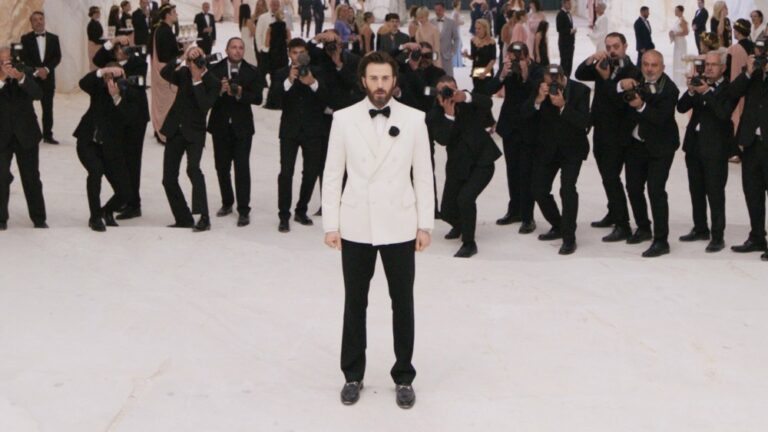
Romain Gavras’ latest film, “Sacrifice,” explores the volatile world of wealthy elites against a backdrop of ecological disaster, infusing dark humor and satire into an already charged narrative. This scattershot approach to storytelling reveals the absurdity of virtue-signaling billionaires who, much like dancing on the edge of a volcano, are oblivious to the impending doom around them. The movie stands as a critique of superficial societal actions under the guise of saving the planet.
A Pattern of Rebellion
Gavras, known for his provocative works, has now delivered three films that challenge societal norms and incite revolutionary thoughts. “Sacrifice” follows his debut “Our Day Will Come” and the tension-filled “Athena,” continuing his critique of those in power. This time, he targets ecoterrorism, wrapping it in satire to underscore the performative actions of the ultra-wealthy.
Echoes of Satirical Influence
Drawing from Ruben Östlund’s satirical style, Gavras attempts to blend irony and critique. However, mastering this balance is a challenge, and while “Sacrifice” mirrors some stylistic elements, it struggles to maintain the tension and humor Östlund combines so effortlessly. Through a sleek contemporary lens, it critiques the environmental posturing of its characters.
A Play with Fire
Set against the dramatic landscape of a Greek quarry near an active volcano, the film follows movie star Mike Tyler (played by Chris Evans) as he navigates an environmental summit. Tyler, embodying the hollow celebrity archetype, questions his purpose and gets swept into the chaos orchestrated by eco-warrior Joan, played by Anya Taylor-Joy.
Moments of absurdity abound as guerilla ecoterrorists upend a gala with their radical demands for human sacrifice, satirizing the rich attendees’ environmental platitudes. The impending eruption serves as a metaphor for the inevitable collapse caused by their ignorance.
A Leap into the Absurd
The film’s climax and the characters’ responses to the extreme situation underscore Gavras’ message about the hollow gestures of the elite. In “Sacrifice,” belief in an unlikely prophecy becomes a vehicle to explore deeper insecurities and the search for purpose, exemplified by Tyler’s turmoil. The absurdity crescendos with a dubious notion that a select few can solve global issues, emphasizing Gavras’ satirical bite.
Though “Sacrifice” entertains with its outrageous scenarios and character dynamics, it treads familiar ground in its examination of revolution and personal sacrifice. Gavras leaves us pondering the authenticity of societal change when driven by those who dance recklessly close to disaster.