The animation industry is at a crossroads, as it faces the challenge of integrating generative AI into its creative and production processes. This emerging technology, while promising innovation and efficiency, is also stirring debate among industry professionals regarding its potential impacts. As companies navigate these changes, the tension between traditional artistry and technological advancement becomes ever more pronounced.
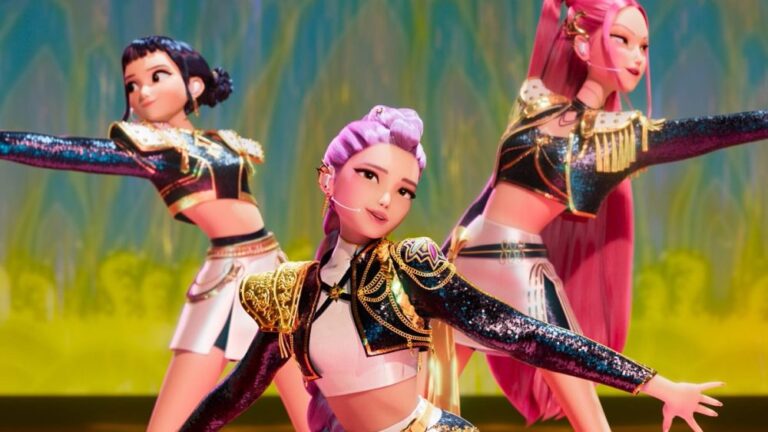
According to a recent report titled “Animation and AI” by Luminate, entertainment and media companies are increasingly exploring generative AI. Animation remains a robust genre for studios and streamers to draw in both adult and young audiences, proving to be a worthwhile investment. For instance, Netflix’s “KPop Demon Hunters” has recently made history by becoming the platform’s most-streamed original movie.
An interesting revelation from Luminate’s U.S. Entertainment 365 survey shows that anime enthusiasts are among the most dedicated moviegoers. A notable 29% of them have watched three or more anime films in theaters over the past three months.
When it comes to genres, anime outperforms others, capturing a significant audience that also heavily utilizes streaming platforms. For instance, Netflix has 76% of its users streaming animated content. Similarly, animated shows and movies are also a major draw for Hulu and Disney+.
As the animation sector draws increased interest from major studios and streaming services, the role of generative AI remains a contentious topic. Proponents view it as a transformative tool capable of speeding up production and cutting costs. However, others express apprehensions about its implications.
Critics, including traditional artists, often term generative AI as a “dirty” technology, raising alarms about its legal, creative, and ethical ramifications. Concerns around data scraping, intellectual property rights, creative autonomy, ethical issues, and job security are at the heart of the debate. Luminate identifies roles like concept and storyboard artists, VFX artists, and game developers as potentially being most affected in the coming years.
For an in-depth look at these findings, click here to read the full report.