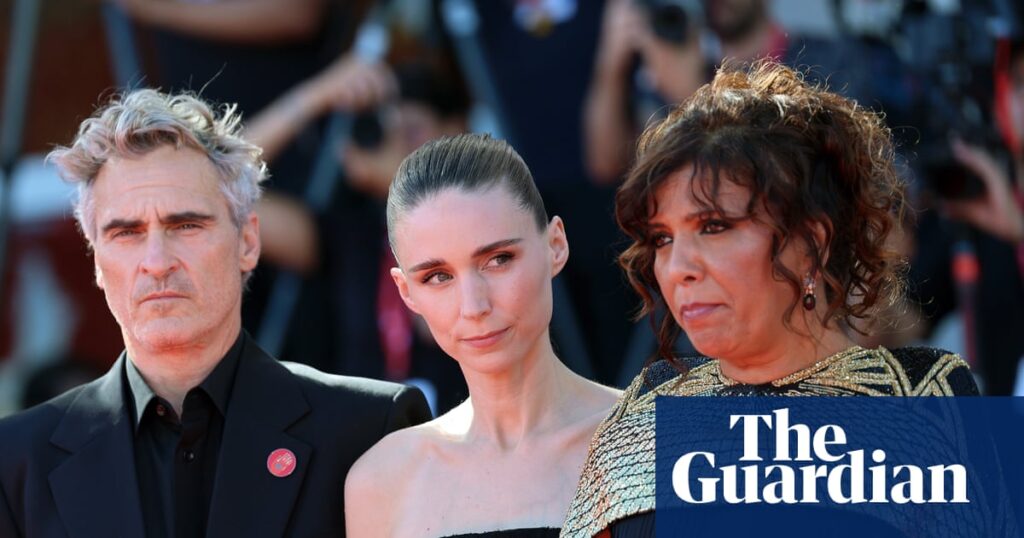
This year, the Venice Film Festival transcended its reputation for glamour to confront pressing global issues, firmly illustrating that humanity is facing a reckoning. While the likes of Julia Roberts, Jude Law, and Cate Blanchett graced the red carpet, the festival’s spotlight was on films that boldly tackled significant political and social challenges. This shift highlighted the power of cinema to not only entertain but also illuminate dire realities, urging audiences to engage with topics often left unspoken.
A Shift in Cinematic Focus
Historically regarded as the epitome of filmic glamour, the Venice Film Festival has this year seen a notable pivot in its thematic focus. While star-studded appearances were still in abundance, the narratives presented on screen challenged attendees to confront uncomfortable truths. Jury president Alexander Payne initially deflected queries about political relevance, insisting on discussions centered solely around cinema. Yet, the films showcased at this year’s festival seemed innately tied to current events, transforming the cinematic experience into a catalyst for social discourse.
Bold Storytelling Amid Global Crises
One of this year’s standout films, *The Voice of Hind Rajab*, directed by Kaouther Ben Hania, poignantly portrays the chilling aftermath of violence in Gaza. The film, which earned a 23-minute standing ovation, brings to light the harrowing experience of a young girl caught in an act of war. It uses real audio recordings of Rajab’s desperate call for help as she lay trapped after an Israeli attack killed her family. In her remarks at the festival, Ben Hania expressed, “I just felt I had to do something, so I wasn’t complicit,” emphasizing the vital role of cinema in amplifying unheard voices amidst ongoing crises. This powerful narrative embodies the notion that humanity is facing a reckoning in its silence over such tragedies.
Conversations Around Warfare and Politics
Kathryn Bigelow’s *A House of Dynamite* explores the moral implications of nuclear warfare, guiding audiences through a tense 18-minute timeline from the launch of a nuclear strike to its impact. Bigelow described her film as “an invitation to decide what to do about all these weapons,” highlighting the urgent need for dialogue surrounding global security issues. Such works reflect a broader trend where filmmakers are proactively engaging with the notion that humanity is facing a reckoning—challenging viewers to reconsider their perspectives on power dynamics and their consequences.
Film as a Mirror to Society
Yorgos Lanthimos’s *Bugonia*, featuring Emma Stone, serves as a satirical commentary on societal inertia towards the climate crisis, reinforcing the idea that humanity is facing a reckoning. Lanthimos’s reflection on urgency in addressing global warming resonates with audiences, prompting them to ponder the consequences of inaction. Similarly, Park Chan-wook’s *No Other Choice* delves into the pervasive anxiety surrounding job security, epitomizing the collective fears that characterize modern existence and reinforcing the film festival’s overarching theme of wresting with contemporary realities.
Political Engagement in Cinema
The festival underscored a palpable trend among filmmakers embracing direct political engagement. Films like Olivier Assayas’s *The Wizard of the Kremlin* explore the realm of modern politics, with Jude Law’s portrayal of Vladimir Putin sparking discussion about the implications of power in today’s society. Assayas remarked, “The film is very much about how modern politics… was invented,” illustrating the tight interweaving of art and societal critique. As attention to global crises mounts, it becomes increasingly clear that filmmakers are harnessing their art as a formative response to the observation that humanity is facing a reckoning.
This year’s Venice Film Festival illuminated the capacity of cinema to serve as a reflective surface for societal issues, compelling audiences to confront the uncomfortable truths of our times. With filmmakers boldly engaging in critical conversations about warfare, climate change, and political unrest, the festival positioned itself not merely as a showcase of cinematic excellence but as a platform for urgent dialogue.