The recent midterm elections marked a significant shift in American politics, particularly with the Democrats‘ impressive showing in various races. This transition doesn’t just affect political landscapes—it opens new narratives for the entertainment industry, which has a longstanding role in reflecting and shaping American culture. With a new chapter unfolding, numerous sectors within entertainment stand to undergo notable changes.
Potential Boost for Film Funding
The federal film tax credit has gained traction thanks to bipartisan support from both Republican and Democratic lawmakers. Recently, figures like Tim Scott, Adam Schiff, and Linda Sanchez rallied for a bill proposing a 20% credit on specific labor costs associated with film production. The recent elections, which saw these champions of the bill secure reelection, position them to potentially advance this initiative in the next congressional session. However, the necessity to garner broader support remains a hurdle. Although Republicans might see benefits in boosting domestic film production as a means of job creation, concerns linger about the financial impact of reducing the tax base amid ongoing federal deficits. Thus, while this proposal still holds promise, its fate remains uncertain.
Insights from Texas Artists
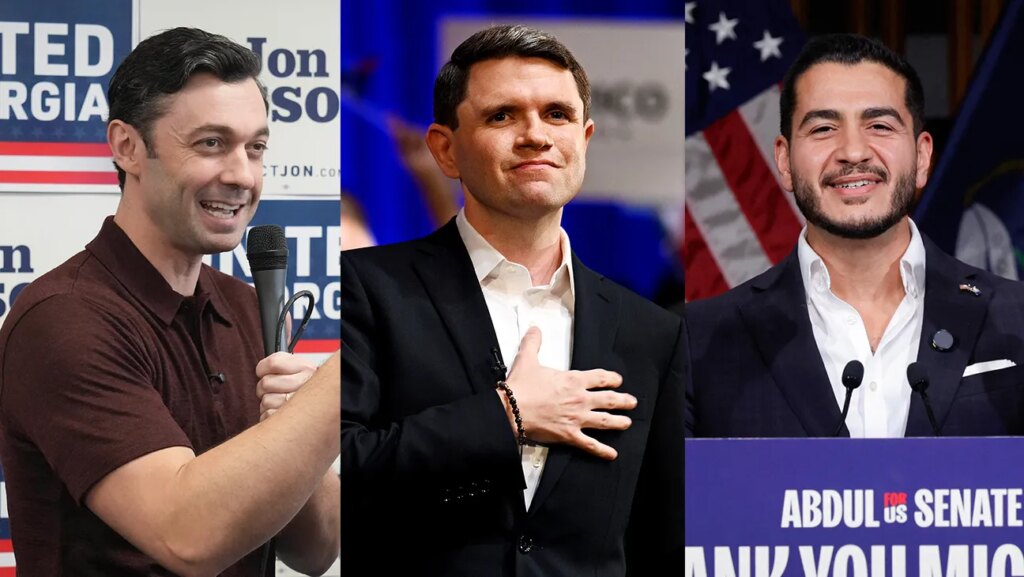
The results from Texas elections—where Democrats made historic gains by winning a Senate seat for the first time in 38 years—revealed a narrative long hinted at by the state’s creative community. Artists like Natalie Maines of the (formerly known as the Dixie) Chicks have been vocal against the political status quo for years, articulating sentiments of dissent and progressive thought. The themes in the works of Texas filmmakers like Richard Linklater and Mike Judge have echoed similar sentiments. With these changes, there’s a renewed opportunity for artists to depict the reality of a politically changing Texas and inspire a dialogue about the cultural landscape in states often viewed as conservative strongholds.
Shifting Dynamics of Media Relations
As the political landscape evolves, one can anticipate a heightened backlash from Trump and his ally politicians against mainstream media outlets following the recent electoral losses. Statements such as “outlets are failing” and calls for firings could become commonplace. Yet, as their influence wanes, such rants may diminish, and the penchant for attacking mainstream media could quiet. As a result, media companies, previously on the defensive due to political pressure, might find themselves able to revisit and enhance their diversity and inclusion initiatives.
David Ellison‘s Political Standing
David Ellison, who recently acquired Warner Bros., has faced scrutiny over his previous political allegiances, particularly to Trump. With the recent election outcomes, he may have less motivation to align with Trumpism. The upcoming release of HBO’s documentary by Alex Gibney on Elon Musk, a significant Republican donor, will test Ellison’s current stance. Will he remain practical, or will he drop the facade of liberalism? The industry’s response to his decisions could signal shifts in its political leanings.
The Role of Celebrities in Activism
Hollywood’s participation in the midterms demonstrated a more nuanced approach to political activism compared to previous cycles. While many celebrities contributed significantly to campaign fundraising, fewer engaged in public appearances that connect them directly to candidates. As the political landscape evolves, there may be hesitance for prominent figures to take the stage at campaign events, suggesting a shift in strategy. Candidates may still welcome support from celebrities, but the dynamics of public engagement could see a reevaluation in how these figures wield their influence.
Regulation of AI in Entertainment
With Democrats aiming for increased oversight on technology, particularly concerning AI, the landscape for creative industries involving AI technology may change. Promises from politicians to investigate tech firms signal a potential shift in regulatory frameworks. Although actual policy changes could take time, a more pro-active legislative approach may slow down technological advancements in AI and influence the way studios and creatives approach its use. Such developments could alleviate fears surrounding the unchecked impact of AI on the creative workforce.