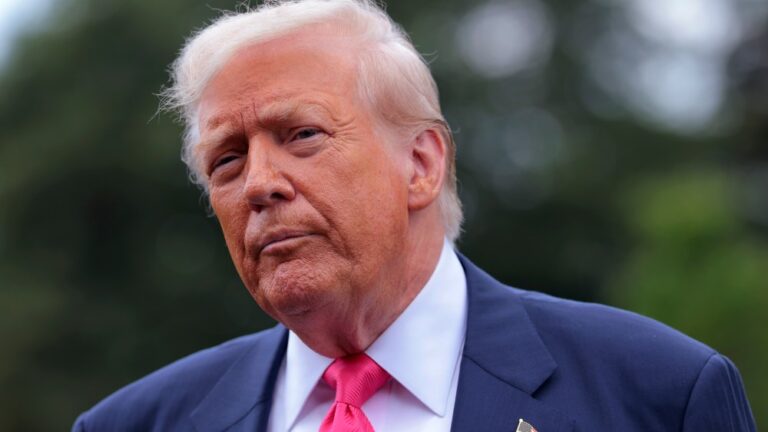
In a surprising move that has reignited discussions on trade and cultural exchange, President Donald Trump has once again threatened to impose 100% tariffs on films produced outside the United States. This controversial measure, announced through Trump’s social media platform, aims to protect and bolster the American film industry which he claims has been undermined by foreign productions. The keyword at the heart of this debate is “100% tariffs on films.”
President Donald Trump has renewed his threat of implementing 100% tariffs on films produced outside the United States.
“Our movie making business has been stolen from the United States of America, by other Countries, just like stealing ‘candy from a baby.’ California, with its weak and incompetent Governor, has been particularly hard hit,” he wrote Monday on his social media platform Truth Social. “Therefore, in order to solve this long time, never ending problem, I will be imposing a 100% Tariff on any and all movies that are made outside of the United States. Thank you for your attention to this matter.”
Escalating Tensions Over Film Production
The underlying reasons for Trump’s renewed focus on 100% tariffs on films remain uncertain. Previously, he labeled foreign productions a “national security threat” to the American movie industry. According to Trump, these productions not only lure filmmakers away but also introduce “messaging and propaganda” into the country. However, questions persist regarding the president’s authority to enforce such tariffs and their potential implementation.
Global Shifts in Filmmaking
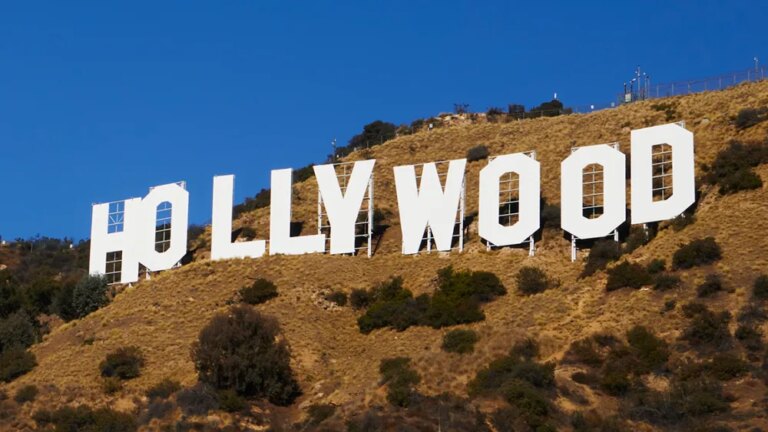
In recent years, film and television production has increasingly moved from Hollywood to international locations like the United Kingdom, Australia, and New Zealand. These areas offer tax incentives that make foreign shoots financially attractive. Additionally, filmmakers often choose international locations to authentically depict stories set outside the United States. Directors such as Denis Villeneuve (“Dune”) and Christopher Nolan (“Odyssey”) prioritize on-location shoots over soundstages, adding complexity to the issue of 100% tariffs on films.
Political Back-and-Forth
Governor Gavin Newsom of California, mentioned by Trump in his statement, has sought to enhance the state’s tax incentive program to attract more film production to Los Angeles. Newsom has actively critiqued and parodied Trump’s social media style, engaging in a broader political dialogue reflective of deeper tensions. “It’s following his example,” Newsom explained during a summer press conference.
This continued conversation over 100% tariffs on films highlights the intricate interplay between politics, economics, and culture—where the future of filmmaking remains a contentious and evolving landscape.