Suzy Weiss: How Disney Girls Grow Up
In the realm of modern pop culture, the trajectory of Disney stars like Sabrina Carpenter offers a fascinating glimpse into the complexities of growing up under the spotlight. The article “Suzy Weiss: How Disney Girls Grow Up” delves deep into the evolution of these young women from beloved roles on family-friendly platforms into increasingly provocative figures in the entertainment industry. As we explore the recent provocations surrounding Carpenter’s latest album, it becomes evident how these stars navigate their identities, sexualities, and the cultural interpretations of their art.
New Directions in Pop Culture
Welcome back! It has certainly been a monumental week in the cultural landscape. The New York Philharmonic Orchestra welcomed a new director, while the president attended a performance of “Les Misérables” at the Kennedy Center. Additionally, the Tony Awards provided insights into what Broadway has to offer this summer. Yet, amidst these highlights, my thoughts gravitate towards the ongoing discussions around pop stars.
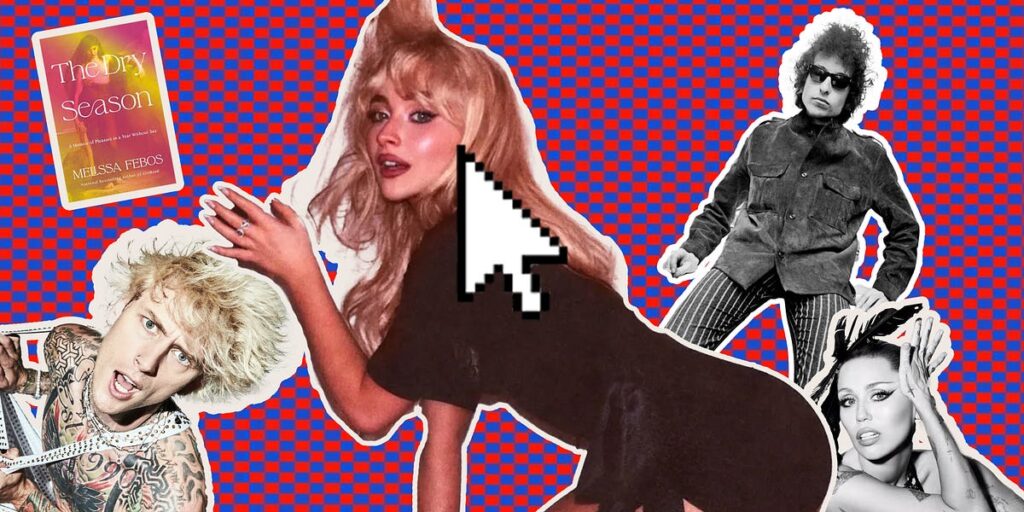
This week, our office buzzed with excitement when pop sensation Sabrina Carpenter unveiled the cover of her upcoming album. The imagery is striking and provocative: Carpenter, dressed in a form-fitting black outfit and towering heels, is depicted on her hands and knees. A faceless man in a suit holds her long blonde hair, giving the impression that she is being walked like a pet. Complementing this controversial image is a second photo featuring a dog wearing a collar labeled “Man’s Best Friend,” which also serves as the title of Carpenter’s new album, set to release this August.
Public Reactions and Interpretations
The internet is rife with mixed reactions to the album cover. Elle magazine described it as “cheeky,” but many fans were unsettled by the imagery, urging Carpenter to “get up” and expressing concerns that the depiction “sets women back 100 years” while others accused it of promoting degradation. In stark contrast, some praised her for being “subversive” and “empowering.”
The ongoing debate within our Free Press newsroom, particularly among the younger staff, mirrored these conflicting perspectives. Was Carpenter making a statement about her own sexuality, or was she exploring how viewers interpret her image? Was the backlash a reflection of her past as a Disney Channel star, or was it simply an audacious move in the age of social media? Such questions illuminate the layers of meaning behind her actions. Were we witnessing a moment of feminist critique, or merely falling into the trap of sensationalism? Ultimately, did the controversy’s capacity to incite discussion elevate it to the level of art, and if so, was it successful?
Navigating Fame and Identity
As Disney graduates like Carpenter venture into adult roles, their journey becomes emblematic of broader societal changes. The transition poses unique challenges—how to redefine themselves while contending with the expectations set during their childhood fame. Sabrina Carpenter is a prime example of a Disney star evolving into a more layered and complex artist. With each new creative endeavor, they must reconcile their past in order to navigate future opportunities.
This ongoing evolution is not merely a personal journey; it reflects a cultural commentary on women’s rights, sexuality, and self-expression. As these stars grow, their work often challenges conventional norms, pushing audiences to reconsider their preconceptions about femininity and empowerment.
Ultimately, the ongoing dialogue surrounding “Suzy Weiss: How Disney Girls Grow Up” serves as a testament to the resilience and adaptability of those who once inhabited the magical world of Disney. As they mature and redefine their identities, they hold a mirror to society, prompting us to engage in deeper conversations about our perceptions of women in the entertainment industry.