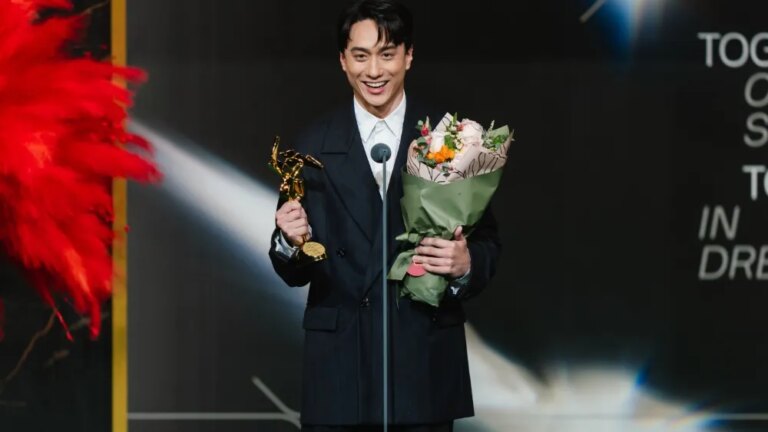
Terrance Lau Chun-him, fresh off his star-making role in “Twilight of the Warriors: Walled In,” navigates the evolving landscape of Hong Kong cinema. As a potential generational icon, Lau reflects on his journey from indie acclaim to action stardom and the challenges within Hong Kong’s shrinking market. This insider’s perspective sheds light on the script he believes in: “We’re losing that strong, personal voice.” Through Lau’s experiences, we gain insights into the shifting dynamics of Asian cinema and its global implications.
The Rise of a New Action Star
Terrance Lau gained widespread recognition following his performance in the critically acclaimed “Beyond the Dream” (2019), where he portrayed a schizophrenia sufferer. This role earned him the Best Actor award from the Hong Kong Film Critics Society. His leap into international stardom came with “Twilight of the Warriors: Walled In,” a film that not only captivated local audiences but also found success globally. Lau’s journey speaks to a rare emergence of a generational movie star that Hong Kong has been eagerly awaiting.
Looking ahead, Lau is set to appear in the crime epic “Cold War 1994,” where his action credentials are further highlighted. The response to his earlier work reveals a growing international appetite for Hong Kong action cinema, impacting the types of roles he’s being offered. “I don’t really have a ‘strategy,’” Lau admits. “But because of ‘Twilight of the Warriors,’ people realized, ‘Oh, he can actually handle action.’”
Adapting to Shifts in the Industry
Transitioning from the psychological depth of “Beyond the Dream” to action roles like in “Stuntman” underscores a broader trend in Hong Kong cinema. The local market is heavily influenced by commercial viability, with investors often favoring data-backed projects. Despite his theater background and preference for artsy films, Lau has embraced these changes, illustrating the adaptability required of actors within this market.
“I never thought I’d be doing action movies,” Lau reflects. Yet, it’s less about a personal shift and more about seizing opportunities in a constrained market. His adaptability echoes the broader resilience of Hong Kong actors navigating a landscape with limited creative projects.
Production Cultures: Hong Kong vs. Taiwan
Lau has worked extensively in both Hong Kong and Taiwan, giving him unique insights into their differing production cultures. In Hong Kong, the focus is on efficiency due to high filming costs, creating a fast-paced environment. In contrast, Taiwan’s approach is more relaxed, prioritizing creativity and allowing more time for character development.
This contrast highlights the differing industry pressures and opportunities for actors in both regions. “It’s all about the vibe and the pace,” Lau notes, emphasizing each market’s unique impact on the filmmaking process.
Challenges and Hopes for Hong Kong Cinema
Lau’s roles often reflect a sense of responsibility to the legacy of Hong Kong cinema, grappling with its past glory and current challenges. Once known as the “Hollywood of the East,” the industry now grapples with economic constraints and fewer productions. “We aren’t making nearly as many movies as we used to,” says Lau, capturing the sentiment of a generation striving to invigorate the industry.
Amid these challenges, Lau has taken proactive steps, having completed his own script to bring fresh Hong Kong stories to the screen. This initiative aims to amplify unique voices in a market increasingly dominated by commercial imperatives.
A Vision for the Future
As Hong Kong cinema continues to navigate its identity, actors like Lau are crucial in bridging the generational gap. Despite the challenges, Lau remains hopeful about the future. “It’s hard to make sure everyone stays employed,” he admits, but the potential for growth and new opportunities drives him.
Amid exciting trends in Asian cinema gaining global recognition, Lau expresses a concern: the risk of homogenization. “Everything is starting to look a bit the same,” he warns, emphasizing the need to preserve the strong, personal voice that once defined Hong Kong cinema’s distinct appeal.