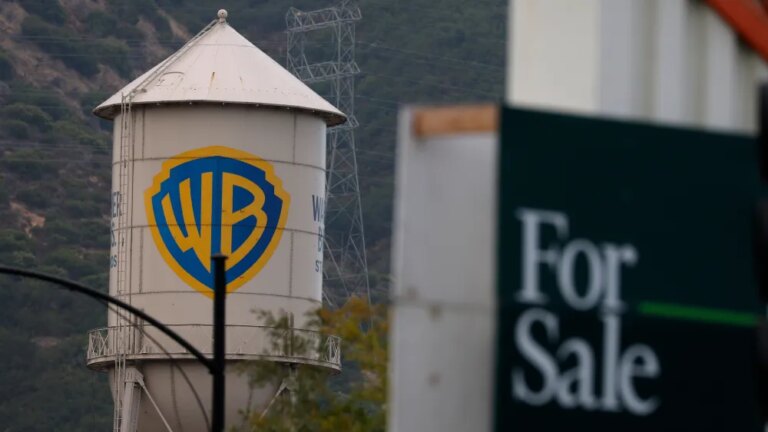
Settlement discussions between Paramount and the coalition of state attorneys general seeking to block its merger with Warner Bros. Discovery continued on Sunday, but no agreement was reached by day’s end. The negotiations paused on Monday in observance of the Yom Kippur holiday.
Conditions and Controversies Emerge in Negotiations
California Attorney General Rob Bonta, who is spearheading the antitrust litigation involving 12 states, has indicated willingness to explore conditions that would impose restrictions on Paramount’s acquisition. However, at least two other attorneys general are advocating for stricter terms before consenting to any settlement.
Discussions over the weekend revealed potential terms, such as keeping the operations of Warner Bros. separate for an initial period—something Paramount CEO David Ellison has already suggested he might do. Other terms included requirements for the merged entity to release a minimum of 30 films annually, with financial penalties in place for non-compliance. Additionally, these talks included a guarantee from Paramount not to relocate its existing operations in California, alongside the establishment of a third-party “editorial adviser” to oversee the news operations of CNN and CBS News.
Calls for Greater Protections from State AGs
Despite the proposed conditions, some state attorneys general feel that these measures do not go far enough. New York Attorney General Letitia James is pressing for specific job-protection assurances, particularly for Warner Bros. employees. Paramount claims that merging with Warner Bros. Discovery would yield $6 billion in cost savings, a move that would potentially result in significant layoffs.
Connecticut Attorney General William Tong has also expressed dissatisfaction with the current proposed settlement. A source close to Tong has commented that he is seeking stronger guarantees to ensure that CNN and CBS News remain free from interference from Paramount’s ownership—provisions that need to be more substantial than merely relying on a third-party adviser.
Political Implications and Ongoing Legal Battles
The merger discussions have political dimensions, particularly due to the connections between Paramount Skydance CEO David Ellison and former President Donald Trump. The Justice Department and the Federal Communications Commission have approved the merger with a notably lax stance, which has enabled the coalition of states to leverage their legal authority for a thorough examination of the merger.
Ellison has suggested that the opposition to the merger is less about antitrust issues and more about concerns regarding his control over CNN. In a New York Times op-ed, he expressed: “I believe a plainer worry sits beneath the briefs and the news releases: the news. The issue is whether I can be trusted as a steward of Warner’s CNN.” He reaffirmed his commitment to ensuring that journalism at CNN and CBS News remains dedicated to factual reporting for the audience.
Pending Lawsuits and Future Uncertainty
The lawsuits initiated by the group of states, along with a similar antitrust suit filed by the Writers Guild of America West, are the final hurdles preventing Paramount from finalizing its acquisition of Warner Bros. Discovery. This lengthy process has seen Paramount outbid Netflix for the merger, with Netflix ultimately withdrawing from the competition by late February.
Even if a settlement is reached regarding the legal disputes, sources indicate that the merger will not be finalized immediately due to the intricate financial arrangements involved in the $110 billion deal, including approximately $24 billion from Middle Eastern governmental funds. Paramount and Warner Bros. Discovery will likely require additional time following an agreement with the states before closing the deal.
Following a U.S. District Court’s grant for a temporary restraining order halting the merger in July, Tong remarked that the ruling was “a critical victory for American consumers, for objective and independent journalism,” and emphasized the importance of maintaining competition in the entertainment landscape.
James similarly noted that the merger threatens to diminish competition, asserting: “This merger would destroy that competition, creating a massive company with unprecedented power and influence over news and entertainment across the globe.”