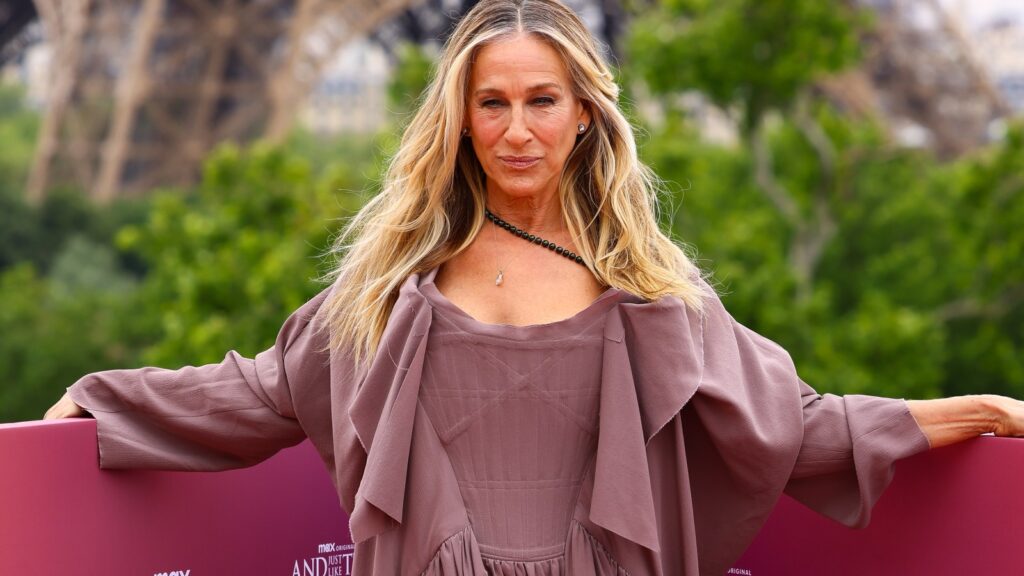
Sarah Jessica Parker Remains Unfazed by Critics of ‘And Just Like That’
Sarah Jessica Parker, the iconic actress best known for her role as Carrie Bradshaw, isn’t losing sleep over the criticism directed at her latest series, And Just Like That. In a recent conversation with The New York Times, she emphasized her indifference towards the so-called “hate watch” tag associated with the show, highlighting the overwhelmingly positive connections it has made with its audience. The main keyword “Sarah Jessica Parker” seamlessly ties these discussions together, offering a glimpse into her perspective on the show and its journey.
The revival of the beloved Sex and the City series, And Just Like That, reunited its original cast in 2021, excluding Kim Cattrall. Despite its initial status as HBO Max’s most-watched debut, the series experienced a viewing decline over three seasons. Showrunner Michael Patrick King announced that it would not return for a fourth season. Parker expressed satisfaction with where the storyline concluded, stating, “Because that’s where the story ended.” She elaborated on the decision to end the series, noting, “You have to be principled when you make these very difficult, agonizing decisions because there’s a lot of people who are affected.”
Parker has been vocal about her stance on public discourse surrounding And Just Like That. “I don’t have the constitution for that,” she told People, acknowledging the wide array of opinions while choosing not to engage deeply with them. Emphasizing her detachment from trolling and online commentary, she remarked, “We want very much for people to have all those feelings, and it’s not for us to police or try to correct them.” This philosophy aligns with her overall approach, as seen in her engagement with her role as both an artist and a public figure.
While Rolling Stone described the show’s finale as “not an easy happily-ever-after,” it was heralded as a triumph, encapsulating Carrie Bradshaw’s journey through life and love. The narrative closure offered what the outlet described as “an uneasy peace” with conventional relationship ideals, reflecting the imperfect yet compelling journey Parker has portrayed over decades.