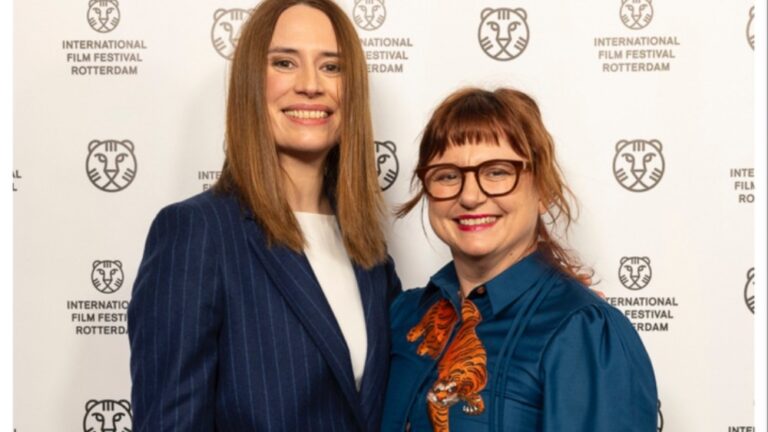
Renowned for its innovative programming, the International Film Festival Rotterdam (IFFR) seeks to broaden its appeal beyond just “edgy and unconventional cinema.” Festival directors Vanja Kaludjercic and Clare Stewart emphasize the festival’s commitment to inclusivity and accessibility, ensuring there’s something for everyone, from avant-garde films to family-friendly offerings. With a goal to engage diverse audiences, the festival heads highlight their efforts to support filmmakers and communities alike.
The festival’s reputation for showcasing bold, unconventional cinema is well-earned, but according to Vanja Kaludjercic, it’s just one facet of IFFR. Speaking to Variety ahead of the festival’s 55th edition, she describes a dual approach: “You’re going to find the most avant-garde and the most popular films – two sides of everything. Tiger films [shown in the Tiger Competition] don’t immediately speak to many people, but then we show Kleber Mendonça Filho’s ‘The Secret Agent,’ which does.”
Kaludjercic expresses the festival’s responsibility as the country’s biggest cinema event, stating their aim to resonate with various audiences. The introduction of initiatives like the Baby Film Club and audience-friendly projects for children and students exemplify this commitment. “Thanks to IFFR Education, we’re catering to thousands and thousands of kids,” she notes, underscoring the importance of being accessible.
Clare Stewart shares more about IFFR’s approach to inclusivity, emphasizing community engagement. “Our IFFR Education team just went to a pre-festival event at a hospital. It really goes that far. We’re working in a very collaborative way with different communities, from skaters to refugees,” she says.
Reflecting Rotterdam’s diversity, the festival focuses on “placemaking,” integrating itself into the city’s vibrant culture. Initiatives such as the Displacement Film Fund and CineMart’s Safe Harbour program aim to empower filmmakers who have faced displacement, fostering opportunities and raising awareness.
Stewart highlights the festival’s role in supporting filmmakers from regions with limited access to funding, stating, “We have a role to play in supporting cinema from places without easy access or where the line to funding is not straightforward because of political conditions or lack of infrastructure.”
Beyond expanding its audience, IFFR thrives on serendipitous encounters at events like Big Talks, bringing together unexpected pairings such as Kleber Mendonça Filho with Carla Simón. “Engaging in a dialogue with someone you might not even know but who you find intriguing raises curiosity and opens up new perspectives,” Kaludjercic explains.
The festival prides itself on discovery and the unique vision its programmers bring, even as the independent film sector confronts challenges. Stewart points to last year’s success with ‘Fiume o Morte!’ noting its record-breaking documentary admissions in Croatia as a testament to IFFR’s impact.
Art continues to play a significant role, with projects like Exploding Cinema evolving into commissioned works by artists such as Steve McQueen. Celebrating 30 years of Art Directions, IFFR emphasizes its commitment to exploring diverse artistic formats. Kaludjercic highlights the freedom offered to artists, saying, “There are no borders; they just seep into one another.”