The Reykjavik International Film Festival (RIFF) has once again brought a vibrant array of global cinema to Iceland’s capital, celebrating its 22nd edition with a spotlight on contemporary filmmakers, Icelandic cinema, Venice imports, and a special focus on Swiss contributions. The festival, an eagerly anticipated cultural event, offers cinephiles an exceptional opportunity to explore diverse narratives and artistic expressions, all under the guidance of founder Hrönn Marinósdóttir and program director Fréderic Boyer.
Celebrating Cinema’s Legacy and Emerging Voices
The festival opened with “Kim Novak’s Vertigo,” a thought-provoking documentary by Alexandre O. Philippe that delves into the history of cinema. Despite Kim Novak’s absence due to illness, the event vibrated with appearances by renowned contemporary filmmakers such as Anton Corbijn, Mohsen Makhmalbaf, Apichatpong Weerasethakul, and Ursula Meier. These auteurs, celebrated for their distinctive cinematic journeys, shared insights and held masterclasses, enriching the festival’s educational aspect.
Venice Imports and Swiss Cinematic Diversity
RIFF showcased five films that had premiered at the Venice Film Festival, including Olivier Assayas’s “The Wizard of the Kremlin,” which he presented during a brief visit. Switzerland emerged as a focal point with over a dozen films, underscoring the country’s cinematic diversity. Directors like Lionel Baier, Klaudia Reynicke, and the Zürcher twins highlighted Swiss multilingualism and creativity, with Ursula Meier bringing her acclaimed works to the festival audience.
Evolving Icelandic Cinema
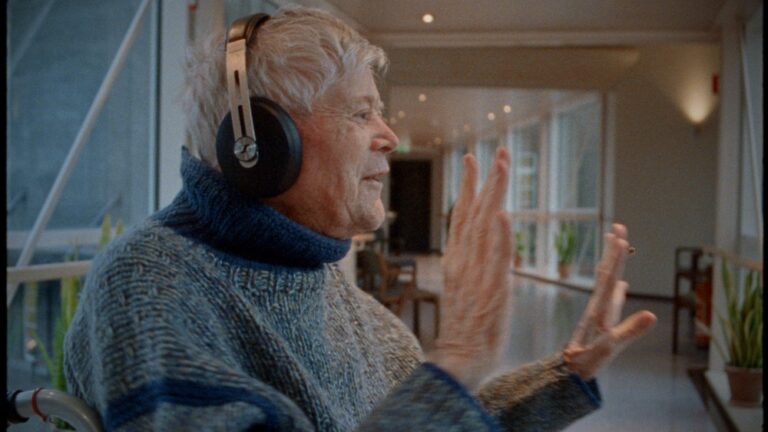
The Reykjavik International Film Festival also gave a platform to Icelandic filmmakers, presenting approximately 34 Icelandic titles. One standout was Yrsa Roca Fannberg’s documentary “The Ground Beneath Our Feet,” which captivated audiences with its introspective exploration of life in a Reykjavik care home. This emphasis on local talent alongside international showcases reinforces Iceland’s growing influence in the global cinematic landscape.
Unique Venues and Dynamic Programming
Renowned for its unconventional screening environments, this year’s festival did not disappoint. Adventurous attendees enjoyed “cave-ins” featuring screenings of movies like “The Descent” in the unique Raufarhólshellir Lava Tunnel. The more traditional venues included screening rooms near the university campus, aiming to engage a younger demographic and foster a deeper appreciation for cinema among students, enhanced by educational panels at the Nordic House.
As the festival concluded, Hrönn Marinósdóttir expressed satisfaction with this year’s success, emphasizing the importance of fostering connections between the Icelandic film industry and its international counterparts. The Reykjavik International Film Festival continues to be a pivotal event for film enthusiasts, promoting cultural exchange and artistic innovation.