The promise of a Republican healthcare plan has been a topic of intrigue and mystery, leaving many wondering about its existence and the details it might contain. Despite numerous assurances, the specifics of this plan remain elusive, sewing uncertainty amid expiring Affordable Care Act (ACA) subsidies. This opacity has sparked widespread debate and speculation, but so far, clarity is not on the horizon.
Unfulfilled Promises and Rising Costs
The Republican party’s determination to dismantle the Affordable Care Act has been evident since its implementation. However, questions persist about what will replace it. Former President Trump famously pledged to “repeal and replace” Obamacare, a promise that remains unfulfilled. Now, as ACA subsidies are set to lapse, Americans face steep premium hikes, with forecasts suggesting an average increase of 26% for typical plans. In New Jersey, for instance, some premiums could surge by over 175%, with one family’s costs potentially tripling.
Secrecy and Internal Frustrations
Claims of a Republican healthcare plan are shrouded in secrecy, even from within party ranks. Representative Marjorie Taylor Greene has openly expressed frustration over the lack of disclosed details. During a recent appearance on “Real Time with Bill Maher,” she referenced her struggle to extract any policy specifics from House Speaker Mike Johnson, stating, “I’m waiting for the [healthcare] plan. I haven’t seen it yet.”
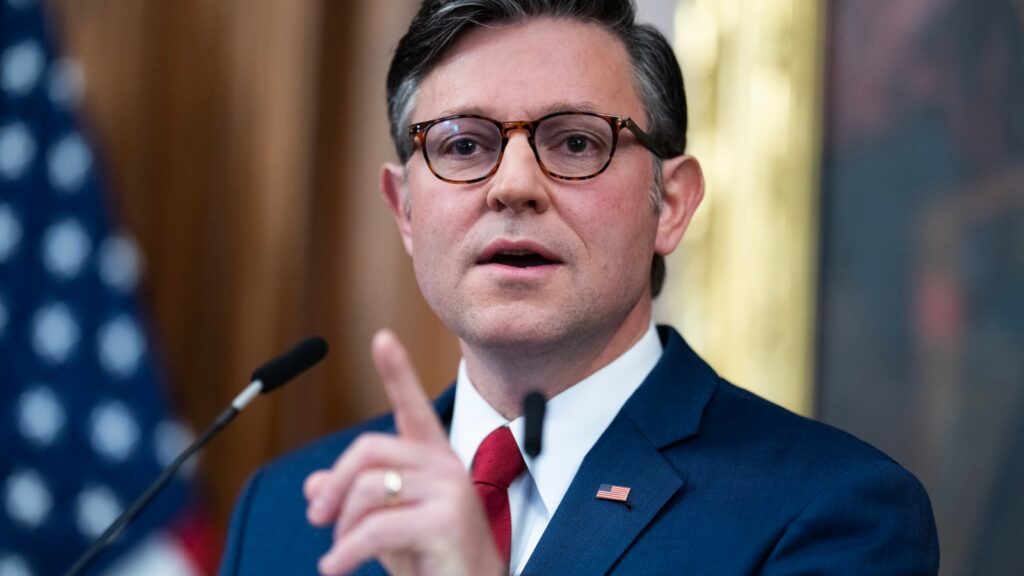
Johnson’s response on Fox News Sunday only fueled the mystery. He emphasized the importance of confidentiality, citing concerns about real-time leaks and maintaining that discussions are intended to remain private. He offered Greene an open invitation to visit his office to be briefed on the details.
Old Solutions Presented as New
In the absence of a clear plan, some Republican figures have proposed resurrecting high-risk pools, previously banned under the ACA. Senator John Kennedy floated this idea, alongside association health plans, noting their potential despite historical drawbacks. High-risk pools, notorious for high premiums and limited coverage, raise concerns about revisiting past issues rather than addressing current needs.
These proposed solutions highlight the complexities of navigating healthcare reform, with critics arguing that reintroducing past models could reintroduce old problems rather than deliver a viable alternative to the ACA.
Looking Ahead: A Plan to Make a Plan
Representative Jeff Van Drew succinctly described the predicament by admitting, “It is politically stupid” to have no cohesive healthcare strategy. He emphasized the necessity of creating a substantive, effective plan—a goal not expected to materialize quickly, with estimates suggesting a protracted timeline for any meaningful progress.
As the debate continues, the lack of clarity on a Republican healthcare plan leaves millions facing significant premium increases, while politicians benefit from government health programs. The ongoing stalemate highlights both the urgency and complexity of addressing the nation’s healthcare needs.