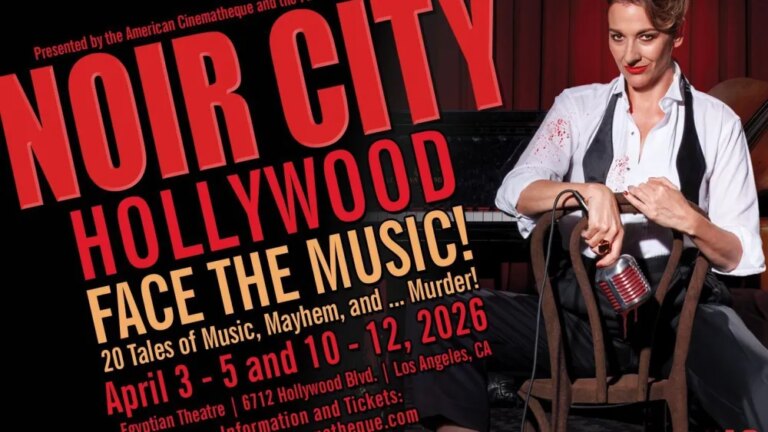
For noir film enthusiasts, the Noir City Hollywood festival has always been a highlight of the cinematic calendar. In 2026, the festival explores the powerful interplay between jazz and noir under the theme “Face the Music! 20 Tales of Music, Mayhem, and… Murder!” Curators Eddie Muller and Alan K. Rode delve into how jazz has not only provided soundtracks but also added depth to the storytelling of classic crime films.
The Revival of Jazz in Noir
For nearly three decades, Noir City has been an iconic event under the American Cinematheque, attracting audiences with diverse themes. This year, Muller and Rode bring a fresh perspective by focusing on music’s role in film noir, turning the festival into a celebration of jazz and its influence on cinematic storytelling. The theme “Face the Music!” underscores how jazz musicians like Louis Armstrong and Coleman Hawkins shaped the ambiance of numerous noir films.
“In the 1940s, jazz symbolized the underworld,” notes Muller. “But as filmmakers like Otto Preminger evolved, jazz became integral to film scores, changing perceptions from something dark to something exhilarating.” The festival features films like “Young Man With a Horn” and “The Man With the Golden Arm,” highlighting characters deeply entwined with jazz music.
Jazz Scores and Their Cinematic Impact
Rode highlights significant jazz scores, including Duke Ellington’s work on “Anatomy of a Murder” and Elmer Bernstein’s score for “Sweet Smell of Success.” These scores transformed jazz from background music to a crucial narrative element. The shift began with Alex North’s score for “Streetcar Named Desire,” marking a move towards jazz as a respected art form in film.
The festival’s line-up reveals this transformation, featuring not just jazz-centric stories but also classics like “The Long Goodbye,” chosen for John Williams’ unique score. Muller mentions, “It’s about musicianship being portrayed on screen, which became the main entry criterion for this selection of films.”
Exploring Cultural Themes Through Music
Beyond entertainment, these films address themes of race and socio-economic struggles. Muller points out, “The challenge of making music as a living has a noir aspect to it,” reflecting on artists’ dilemmas within a capitalistic society. This becomes more poignant when characters are Black musicians, as in “A Man Called Adam,” starring Sammy Davis Jr., facing civil rights issues head-on.
Noir City has expanded beyond Hollywood, fostering new audiences with its double-feature programs. As Rode observes, the festival draws both hardcore fans and newcomers, eager to explore both familiar classics and rare gems.
Preserving and Expanding Noir Heritage
The festival’s dedication to film preservation is evident in its curated screenings and efforts to restore forgotten works like “The Yellow Canary.” Rode notes the festival’s dual role in celebrating film noir and supporting the Film Noir Foundation’s preservation efforts.
The 2026 lineup promises a rich experience of film and live jazz performances, intertwining narratives of music, crime, and cultural exploration. As Muller aims to entice younger generations, the festival continues to champion the timeless appeal and complexity of noir storytelling intertwined with the soulful strains of jazz.