As the trial of hip-hop icon Sean “Diddy” Combs dominates headlines with its sensational charges of sex-trafficking and racketeering, a new era of media coverage is unfolding outside the courtroom. This modern wave, led by influencers, livestreamers, and digital creators, is reshaping how trial stories are told and consumed. As the legacy media grapples with diminishing numbers, this burgeoning new media guard is capturing attention with its dynamic coverage and unique narratives.
The New Media Frenzy
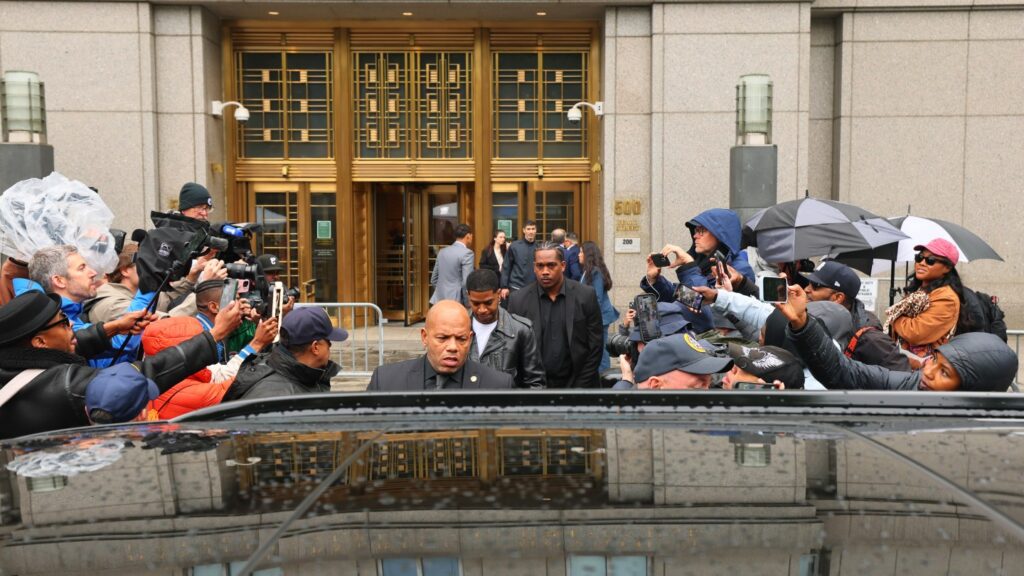
Every weekday at 3 p.m., a bustling scene unfolds at the federal courthouse in Manhattan, where the Diddy trial is taking place. Amidst hours of gripping testimonies and evidence, individuals exit the courtroom, eager to share the day’s revelations. With smartphones in hand, they deliver instant updates, creating a digital frenzy around the case. This represents a shift from traditional media practices to a more informal, immediate style of information dissemination.
Leading this charge are influential livestreamers and creators who cover every detail, from Janice Combs’ heroic daily appearances at court to her grandsons capturing significant online attention. The spontaneous and sometimes chaotic reports by these internet personalities offer an alternative narrative that challenges conventional media boundaries.
The Dynamic Digital Landscape
The emergence of these new media storytellers signifies a considerable shift from the mainstream media’s polished segments. Platforms like YouTube and TikTok are hosting vibrant discussions about the trial, led by creators such as Tisa Tells and Stephanie Soo. These digital reporters bring their own flair and engage large audiences, showcasing the trial’s intricacies through a personal lens. This development underscores a changing trend in media consumption, as more individuals turn to social platforms for news, aligning with findings by the Pew Research Center.
Despite the less polished and sometimes error-prone broadcasts, these new media voices offer diverse perspectives and often fill gaps left by traditional coverage. By capturing raw, real-time moments outside the courtroom, they provide a dimension of storytelling that’s deeply engaging and personal.
The Battle for Influence
The tension between traditional news outlets and digital creators reflects deeper changes in the media landscape. As legacy media outlets struggle with declining viewership, the new media guard capitalizes on the opportunity to deliver real-time, personalized content. This clash is not just about different delivery methods but also about who owns the narrative and defines the cultural moment.
Creators like Emilie Hagen and Donat Ricketts illustrate this shift by offering a blend of legal insight and cultural commentary, often bypassing traditional fact-checking mechanisms. Their on-the-ground reporting introduces audiences to lesser-known but significant aspects of the case, adding depth that mainstream media might overlook.
The Future of Journalism
The rise of this new media guard reveals both promise and challenges for journalism. While offering fresh perspectives and democratizing news, this approach risks bypassing crucial journalistic standards. However, as digital platforms continue to evolve, the role of these modern storytellers becomes increasingly significant. They not only cover the facts but explore the cultural emotions surrounding events, offering a rich tapestry of narratives that traditional media cannot always capture. This evolving landscape signifies a bold new chapter in the story of journalism.