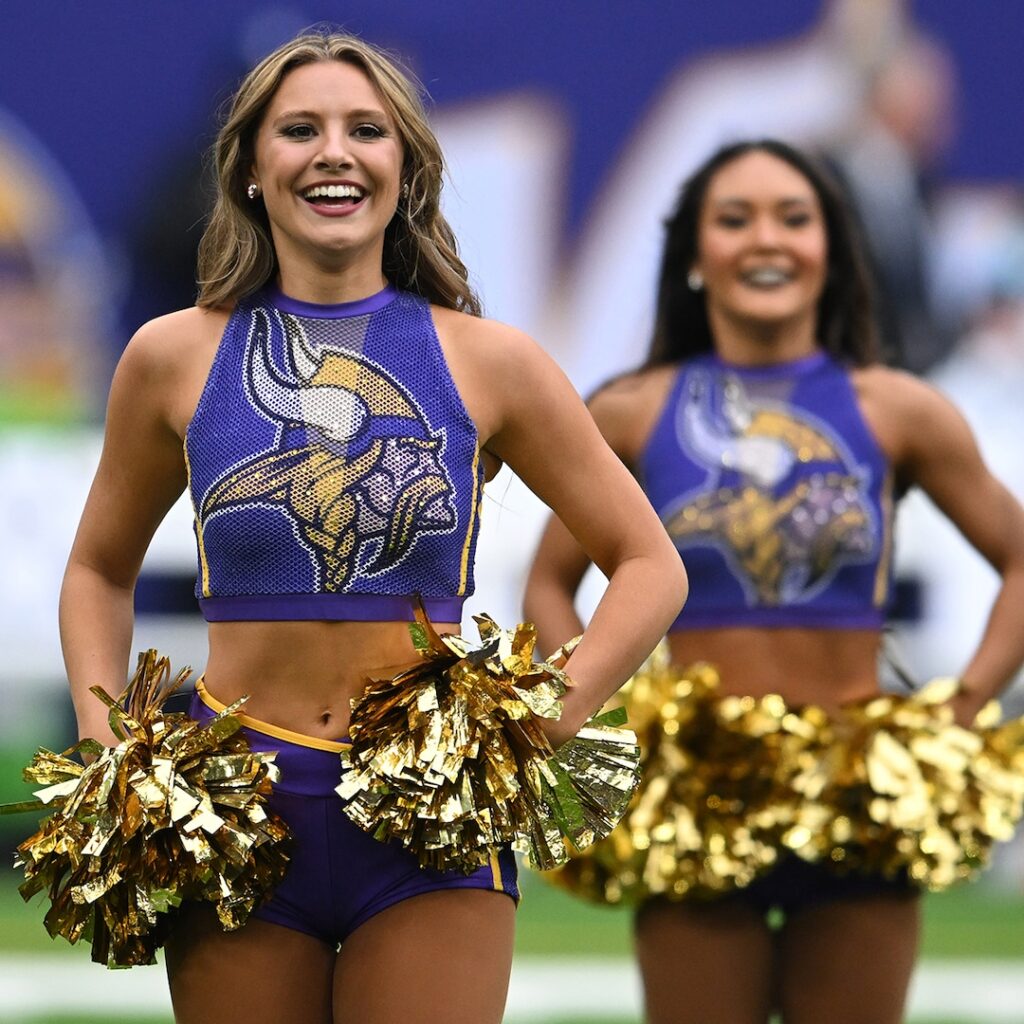
Amidst the excitement of a new NFL season, the Minnesota Vikings’ decision to include male cheerleaders has sparked significant discussion among fans. This pioneering move has generated both applause and backlash, reflecting changing perspectives on traditional roles within sports entertainment. The inclusion of male cheerleaders is redefining the landscape and challenging established norms, making it a hot topic of conversation across the league.
The Evolution of Cheerleading in the NFL
Cheerleading in the NFL has traditionally been viewed as a female-dominated field, with teams like the Dallas Cowboys Cheerleaders setting the benchmark for decades. The shift towards inclusivity of male cheerleaders marks a significant evolution. For the Minnesota Vikings, this represents a step forward in embracing diversity and engaging with a broader audience. The dynamics of cheer squads are changing, offering a more varied and inclusive representation.
Fan Reactions and Debates
The Minnesota Vikings’ male cheerleaders have become the center of attention, sparking discussions among fans. While some supporters applaud the team’s progressive approach, others have expressed discontent, reflecting broader societal debates on gender roles in sports. Social media platforms have become arenas for these conversations, with opinions divided on whether this change is a sign of progress or a deviation from tradition.
The Financial Reality of Cheerleading
Regardless of gender, cheerleading in the NFL is rarely a primary source of income. A 2017 ESPN report revealed that cheerleaders were earning between $75 to $150 per game. This revelation was surprising to many who assumed the job was more lucrative. Recent adjustments have reportedly increased pay to around $400 per game, including hourly wages for practice and appearances, but it’s still far from a full-time salary.
Many cheerleaders maintain other jobs to support themselves. As highlighted on “America’s Sweethearts,” DCC alum Kelcey Wetterberg balances her time as a pediatric registered nurse, while Reece Allman supplements his cheerleading earnings by working at a florist. These examples illustrate the reality for many who pursue cheerleading as a passion rather than as a main income source.
Looking Ahead
The addition of male cheerleaders to the Minnesota Vikings is not just a headline; it’s a reflection of evolving attitudes and the increasing demand for diversity in sports. As the debate continues, it will be interesting to see how other teams respond, potentially paving the way for wider acceptance and understanding. This cultural shift within cheerleading is a testament to broader changes in the sports industry and society at large.