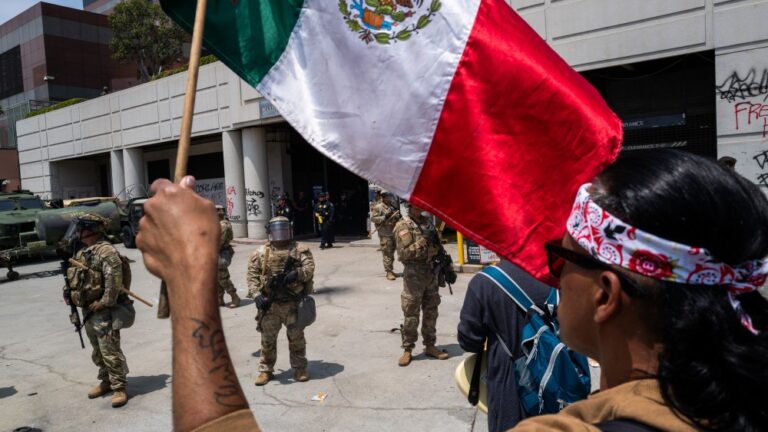
In a significant legal decision impacting immigration enforcement, a federal judge has temporarily halted the Trump administration’s planned immigration raids in Los Angeles. This ruling, issued by U.S. District Judge Maame Ewusi-Mensah Frimpong, responds to claims of racially biased detentions, emphasizing constitutional rights. The suspension targets operations promoted by the Department of Homeland Security and related agencies to prevent indiscriminate actions based on race, ethnicity, and other personal factors.
Legal Grounds for Blocking Immigration Raids
Judge Frimpong’s decision was prompted by a temporary restraining order request filed by several detainees and immigrant advocacy groups, such as the ACLU of Southern California and the Coalition for Humane Immigrant Rights. The halt is intended to protect individuals from being detained purely based on racial or linguistic profiles and awaits further hearings scheduled for July 16. Three individuals detained recently, including Pedro Perdomo, Carlos Osorto, and Isaac Molina, highlight the case’s personal dimension.
Recent Raids Spotlight Constitutional Concerns
The judge’s 52-page ruling follows widespread media coverage showing aggressive federal actions across Southern California. The decision addresses fundamental legal issues, with Frimpong pointing out that detaining individuals based on race alone without a warrant or consent is unlawful. The ruling references the Fourth and Fifth Amendments, citing unreasonable searches and denial of legal counsel access as violations.
Community and Legal Advocacy Response
These actions by federal agencies beginning on June 6 spurred significant public outcry and media attention. Residents recounted disturbing disappearances of community members amid raids in public and commercial spaces. Los Angeles Mayor Karen Bass publicly opposed these actions, even intervening in a high-profile raid at MacArthur Park, shifting the spotlight further onto the federal activities.
Conditions and Legal Precedents
Frimpong’s ruling brings attention to the detainees’ conditions at a federal facility described as overcrowded and unsanitary. The legal order ensures detainees have access to counsel, emphasizing their right to engage in confidential communications with attorneys. The judge also challenges the premise of ICE and DHS operations that lack reasonable suspicion beyond race or location criteria, reinforcing the decision’s basis in safeguarding civil liberties.