Recently, Joy Reid stirred controversy during a podcast when she stated it is a MAGA dream for Vice President JD Vance to ditch his Indian-American wife, Usha. This remark ignited a strong response from various figures, including Katie Miller, the wife of Stephen Miller, a prominent figure in Donald Trump‘s administration. The discussion highlights the intersection of race, political identity, and marital dynamics within American political discourse.
Reid’s Comments on JD Vance
Joy Reid, known for her incisive commentary on MSNBC, did not hold back when discussing JD Vance’s marriage. She characterized his relationship with Usha as a troubling example of how some Republicans navigate their identities. Reid suggested that by remaining married to his Indian-American wife, Vance is “pandering to a base” she described as “fundamentally racist.” This perspective clearly indicates that Joy Reid believes that within certain circles, the ideal scenario would be for Vance to distance himself from his wife, a viewpoint that aligns with her assertion that it is a MAGA dream for Vice President JD Vance to ditch his Indian-American wife.
Katie Miller’s Outrage
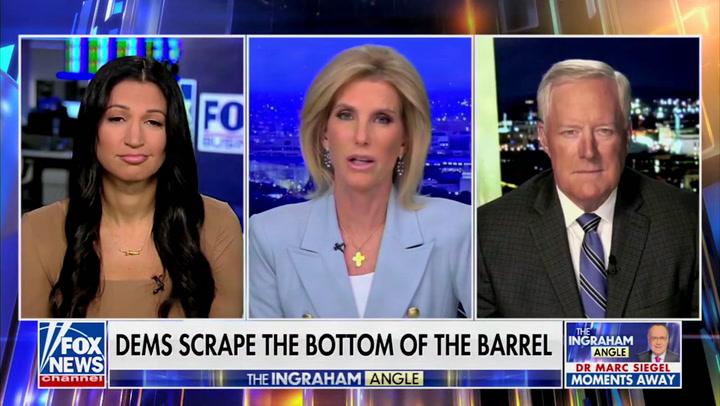
The backlash against Reid’s statements came swiftly. Katie Miller, a former aide in the Trump White House, expressed her indignation during a segment on The Ingraham Angle. Miller’s reaction was part of a wider response from Trump allies who felt that Joy Reid’s comments unfairly targeted Vance and his marital choices. In her argument, she defended Vance, positing that he should not be judged by the color of his wife’s background but rather by his political actions. This episode highlights the potent emotions that Reid’s commentary on Vance has ignited, particularly regarding the implications of race in political affiliations.
The Broader Implications
Joy Reid’s assertion that it is a MAGA dream for Vice President JD Vance to ditch his Indian-American wife underscores the complex dynamics of race and identity within today’s political landscape. Conversations surrounding Vance’s marriage encapsulate broader themes of acceptance, loyalty, and authenticity in a partisan context. Many are left wondering whether Vance’s personal choices are reflections of his political strategy or sincere commitments to his family, sparks that Reid’s comments have fanned into public discourse.
Political Ramifications
As political figures continue to navigate the charged environment of identity politics, Joy Reid’s remarks are sure to echo in ongoing debates. The pushback from Katie Miller and others serves as a reminder that discussions surrounding race, marriage, and political allegiance can elicit passionate responses. Many in the GOP view such criticisms as attacks on their integrity and authenticity, suggesting that Reid’s assertion about Vance serves not only as a dismissal of his marriage but also as a challenge to the very foundations of his political identity. Ultimately, the discourse initiated by Reid’s controversial statement will likely influence perceptions of Vance as he continues his political journey amidst heightened scrutiny.