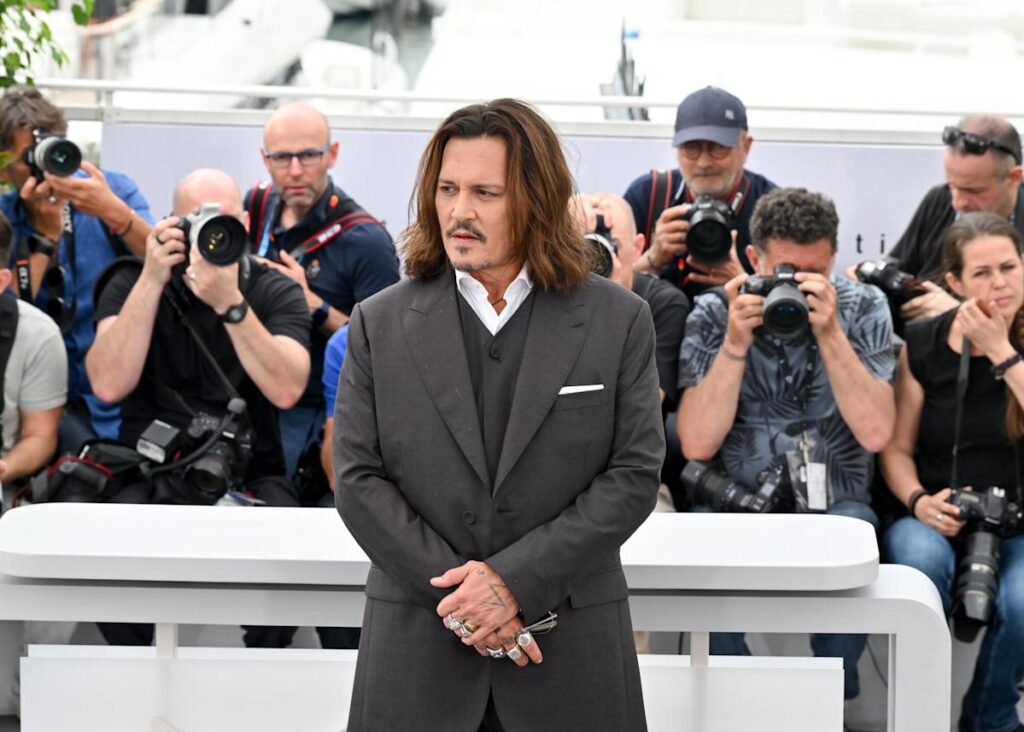
In recent discussions surrounding Johnny Depp, the internet is pointing out this massive flaw in Johnny Depp’s #MeToo ‘crash test dummy’ argument, shedding light on the inconsistencies within his narrative. Depp’s portrayal as a victim of the #MeToo movement has sparked significant backlash, especially as details from his past surface. As the conversation evolves, critics are dissecting his statements, suggesting that his claims do not withstand scrutiny when examined closely.
The Complexity of Depp’s Claims
Johnny Depp recently insisted in an interview, “I didn’t go anywhere,” clarifying that he’s not staging a comeback but has instead been occupied with directing, painting, and other artistic endeavors. However, his assertion that he was a “crash test dummy for #MeToo” raises questions about the timeline and validity of his claims, especially since they seem to contradict his own experiences and statements. In 2016, Depp’s ex-wife Amber Heard accused him of abuse — a full year prior to the New York Times exposé that many see as the launch of the #MeToo movement.
The Inconsistencies Unraveled
Depp’s assertion that he was a mere pawn in the #MeToo narrative takes a hit when juxtaposed with his own arguments in court. During his 2022 Virginia trial, Depp contended that Heard used her accusations to gain fame and relevance within the #MeToo movement. This begs the question: if Heard was seeking fame, how could Depp simultaneously claim he was an unknowing test subject for a movement she allegedly manipulated for her benefit? As internet users point out, his narrative appears inconsistent, with one comment on X highlighting, “He cannot keep his narrative straight even now.”
Public Perception and Reality
Many observers argue that Depp’s victim narrative rings hollow considering his ongoing career. While he did lose his role in the *Fantastic Beasts* franchise in 2020, he continued to work on multiple projects, including films like *Minamata* and *Jeanne du Barry*, and was even seen promoting Dior campaigns. In fact, with five upcoming projects slated for 2025, including collaborations with Hollywood talents, some are questioning why Depp insists on presenting himself as a victim of cancel culture when evidence suggests he remains a sought-after figure in Hollywood.
A Consistent Narrative of Victimhood
Depp’s narrative, shaped not by coherence but by a deep desire to position himself as a misunderstood individual, garners skepticism amid growing scrutiny. Despite continued professional success — from art sales to film projects — he maintains a portrayal of himself as a wronged figure within a cautionary tale of celebrity downfall. This viewpoint does not align with the observable trajectory of his career, prompting many to react with disbelief and frustration toward his most recent claims.
The ongoing discussion surrounding Depp’s statements serves as a stark reminder of the complexities and contradictions that inhabit narratives of fame, victimhood, and societal movements. As the internet is pointing out this massive flaw in Johnny Depp’s #MeToo ‘crash test dummy’ argument, it invites a broader reflection on how public figures navigate their identities within the evolving discourse on accountability and justice.