The Indonesian film industry is facing significant challenges, with Angga Dwimas Sasongko, founder of the successful animation studio Visinema and creator of the hit film “Jumbo,” sounding the alarm bells. His comments come amid a troubling economic climate, highlighted by a dramatic 38% slump in the Jakarta Composite Index, the nation’s main stock market measure, which has led to a substantial decline in the theatrical market.
Industry’s Woes Highlight Business Model Concerns
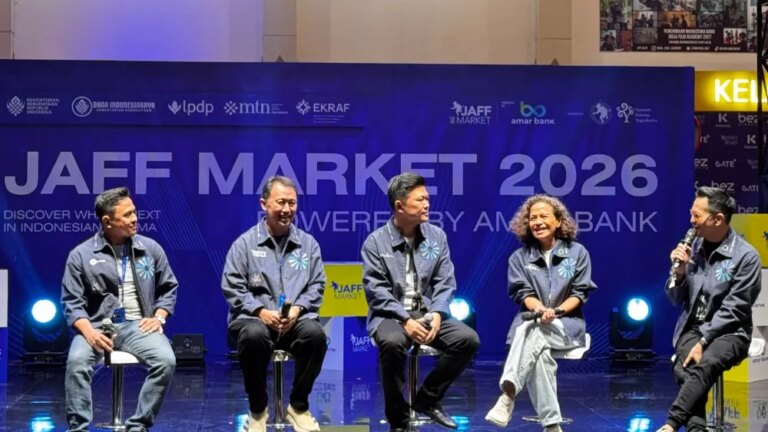
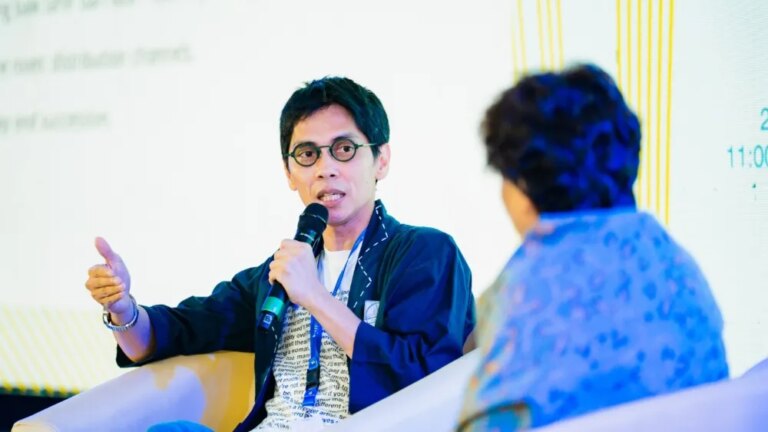
During a recent panel discussion at the JAFF Market titled “Big Ideas Talk: Imagining the Next Chapter of Indonesian Cinema,” moderated by market director Linda Gozali, Sasongko expressed his concerns regarding the industry’s sustainability. He characterized the current landscape as a “bad, very bad signal for the industry in the next couple of years.” This sentiment echoes calls for a reassessment of the sector’s business model in light of economic challenges.
Purchasing Power and Ticket Affordability
Sasongko pointed out that while Indonesian cinema ticket prices, averaging IDR46,000 (approximately $2.80), may seem low compared to the U.S. average of $11, they represent a significant portion of local purchasing power. He claims that when adjusted for purchasing power parity, the cost of attending a movie in Indonesia effectively equates to $9 per ticket. This discrepancy underscores the financial burden placed on Indonesian moviegoers.
Geographical Disparities and Market Limitations
Furthermore, he highlighted that 70% of the nation’s cinema screens are located in Java, which contains just 55% of Indonesia’s population. Sasongko lamented the difficulty of making accurate industry forecasts given questionable statistics and noted that merely increasing the number of screens would not address the core issue if audiences cannot afford to attend or if films fail to connect with their interests. “There is no silver bullet,” he remarked.
The Need for Institutional Strengthening
Sasongko criticized the lack of strong institutional frameworks within the Indonesian film industry. He indicated that while conversations about enhancing film quality and achieving international recognition are ongoing, the focus on building robust institutions has been overlooked. He suggested that a more formidable organization is needed to advocate for industry interests in government policymaking, highlighting the limitations of Badan Perfilman Indonesia (BPI), the Indonesian Film Board. According to Sasongko, existing frameworks do not adequately support the sector’s needs, which must deal with decisions from multiple government institutions.
Investment and Developing Local Industries
On production dynamics, Sasongko observed that many Indonesian production companies struggle to transition between projects, often built around individual leaders rather than sustainable systems. He expressed optimism about the industry’s potential, reminiscing about his career’s beginnings two decades ago and noting improvements. However, he acknowledged that the current financial climate is more complicated due to global uncertainties, historic financial crashes, and the ongoing effects of the pandemic.
Regional Growth Potential
When questioned about the possibility of developing film industries outside of Java in regions like Kalimantan and Sumatra, Sasongko highlighted the need for “patient capital.” He suggested that investors willing to support these initiatives should be prepared for a long-term commitment of five to eight years and mentioned that hyperlocal films could serve as pathways for new talent and diverse storytelling.
Looking Ahead with Optimism
With an eye on the future, Sasongko hopes that the Jogja-Netpac Asian Film Festival (JAFF) will become an annual platform for collaboration across the industry. He envisions building a unified framework where stakeholders commit to mutual goals and track their progress annually. “The most important thing is that we can use JAFF as a momentum to make the work of building this industry compound,” he concluded, emphasizing the significance of a sustainable film industry that can provide a stable livelihood for its professionals.
JAFF Market, the industry arm of the Jogja-Netpac Asian Film Festival, runs from November 28 to 30 at the Jogja Expo Center in Yogyakarta, coinciding with the festival’s 21st edition, which will take place from November 28 to December 5.