With Hollywood‘s propensity for dramatizing real-life trauma, it’s surprising that the devastating L.A. fires haven’t been widely portrayed on the big screen. While natural disasters often serve as backdrops for cinematic tales, the recent Los Angeles fires, like the Eaton Fire in Altadena and the Palisades Fire, remain largely untouched by filmmakers. This hesitance raises questions about the complexities and sensitivities of turning local tragedies into entertainment.
The Barris Controversy
One of the few notable attempts to tackle the subject emerged soon after the disaster. In August, Kenya Barris, known for his hit series “Black-ish,” announced a CBS comedy set in Altadena, starring Mike Epps. The plot centered on two estranged Black brothers reuniting to sell their late grandmother’s house. This premise quickly sparked controversy, with many questioning how a comedy could aid in Altadena’s recovery. Barris took to social media to defend the production, promising, “I only plan to do the best I can to make sure the world sees you.” Despite the uproar, the project remains in development.
Limited Onscreen Representation
Apart from Barris’s proposal, the L.A. fires have scarcely appeared in narrative form. The Julia Roberts film “After the Hunt” included only a brief reference to the fires to indicate a time shift to 2025. The event’s absence in mainstream media has left many wondering why there’s so little representation, despite its significant impact.
A Personal Documentary Approach
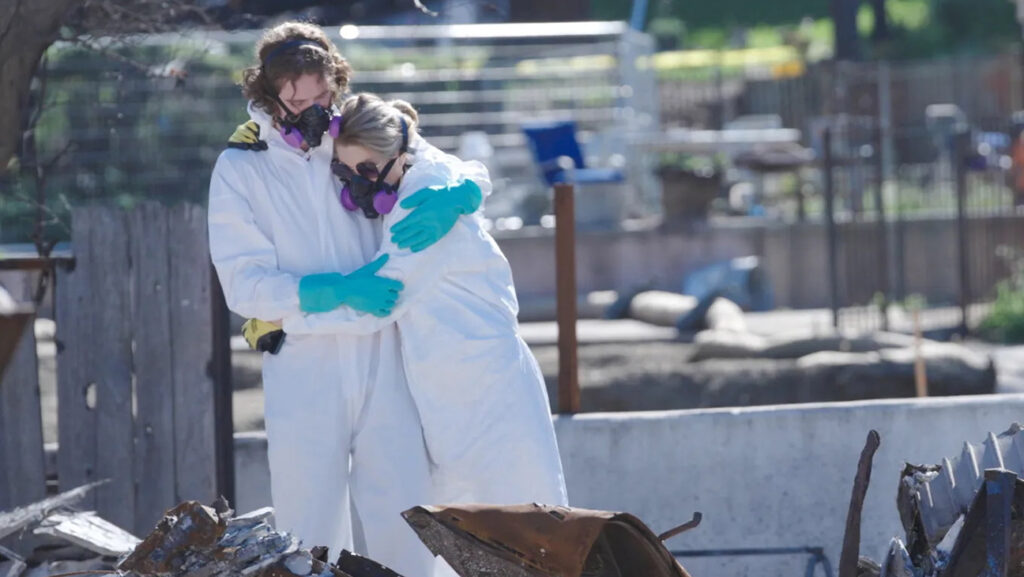
One of the more personal projects, “All the Walls Came Down,” directed by Ondi Timoner, who lost her Altadena home, offers a poignant depiction of the fires’ aftermath. The short film, now shortlisted for the 2026 Oscars, explores the immediate impact on Timoner and her neighbors. Despite its critical success, Timoner highlights the difficulty of capturing such a sprawling tragedy narratively, pointing to ongoing legal and rebuilding challenges. “The problem is it’s a five- to 10-year situation,” she remarks, underscoring the challenge of maintaining public attention.
This narrative made waves when published in The Hollywood Reporter magazine on January 2. For more in-depth stories, consider subscribing to the magazine.