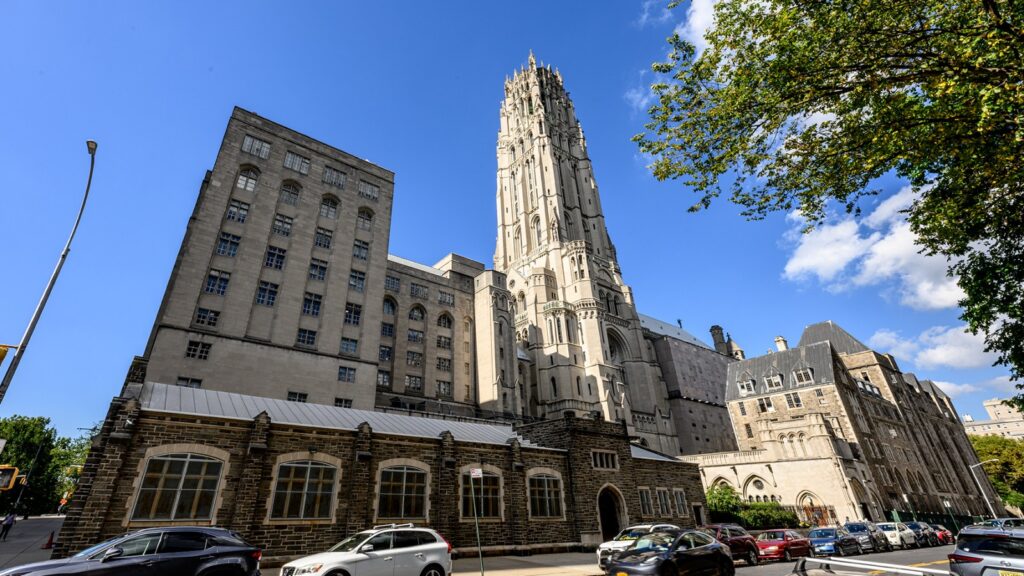
The Riverside Church trial has captured public attention as former basketball player Daryl Powell takes legal action against the institution over allegations of childhood sexual abuse. This high-profile case, which has unfolded in a New York courtroom, centers on claims against the church and its late director, Ernest Lorch. Powell is the first to bring such allegations to trial under New York’s Child Victims Act, alleging that the church ignored Lorch’s misconduct for decades. The trial features testimonies from former coaches and psychiatric experts, painting a vivid picture of alleged systemic neglect.
The Heart of the Allegations
The most jarring testimony came from Deron “Sheeb” Johnson, a former assistant coach at Riverside. He recalled an incident from 1985 when he reportedly witnessed Lorch with a young player in a compromising position. As a result, Johnson quit his position and brought up his concerns with a church pastor. “Do you know what’s going with the kids in your program?” he asked. This testimony has been a focal point in shaping the narrative of institutional failure in the Riverside Church trial.
Riverside’s defense, led by attorney Philip Semprevivo, aims to challenge the credibility of these decades-old allegations. During cross-examinations, Semprevivo focused on inconsistencies and questioned the impact on Powell’s life, suggesting that he hasn’t suffered damages due to his time at Riverside Church’s basketball program.
Building the Case
Powell’s case is one among 27 lawsuits alleging that Riverside Church allowed abuse to persist. These claims have been fortified by the testimony of former teammates and other coaches who left due to the predatory environment. An ongoing investigation has uncovered a troubling history of abuse allegations, highlighting Lorch’s pattern of misconduct. The Riverside Church trial is pivotal, marking the first time such claims have reached the trial phase under a new legal framework aimed at addressing historic abuse.
Attorney Lawrence Luttrell, representing Powell, presented documents to demonstrate how the church was entrenched in Lorch’s basketball program. Despite Lorch’s tenure, the church’s newsletters prominently featured him, aligning him closely with the institution. Luttrell argued this deep involvement points to an institutional obligation to safeguard the young players.
Challenges and Counterarguments
Throughout the trial, Semprevivo tirelessly worked to puncture the plaintiff’s narrative. He questioned why witnesses like Johnson and fellow coach James “Turtle” Williams, who cited concerns about Lorch, did not report the abuse earlier. The defense pointed out Johnson’s criminal past and financial motivations as potential influences on his testimony. Additionally, the argument was made that Riverside, due to its elite status, could have been perceived as a springboard for ambitious players despite known rumors.
Dr. Anthony Charuvastra, a psychiatrist specializing in trauma, testified on the emotional toll the abuse took on Powell. According to Charuvastra, Powell suffers from PTSD and depression, issues that have shadowed him since his time with Riverside Church. Defense attorney Semprevivo countered by challenging this diagnosis and suggesting that other traumatic experiences in Powell’s past could have contributed to his psychological state.
The Riverside Church trial is nearing its conclusion, with the jury tasked with weighing the testimonies and evidence presented. The verdict could set a significant legal precedent and serve as a moment of reckoning for institutions accused of similar historical abuses.