On September 11, 2001, I found myself in Nahant, Massachusetts, a small, isolated seaside village just six miles from Logan International Airport in Boston. Though I’d previously lived in bustling cities since turning 17, my recent marriage had led me to settle in this tranquil yet confining location, where local attractions consisted largely of Captain’s Seaside pizzeria and Enzo’s Nahant Garage. At the time, it felt like a wise choice.
In those gray afternoons, I’d often wander Nahant’s back roads, once mistaken for a burglar by the lone local police officer. My regular routine involved driving my aging Honda Accord to the YMCA in nearby Lynn for laps and saunas, puzzling over a sign in the showers cautioning that “Some bathing practices acceptable at home are not acceptable here.”
Back home, I would stare out the window, contemplating my decisions. Every few minutes, I would glance at Broad Sound, watching the distant planes leave Logan, transforming from mere specks into passenger jets. Each departure momentarily unsettled me, as if the aircraft were heading straight for me before veering away to their destinations.
The Day of Terror
That same route was taken by American Airlines Flight 11, a Boeing 767, when it departed Logan at 7:59 a.m. On that day, I awoke groggy, listening to NPR while my wife prepared for her job at The Boston Globe. About 45 minutes later, cryptic news reports began filtering in about a plane crashing into the World Trade Center. I descended to the living room just in time to witness United Airlines Flight 175 crashing into the other tower shortly after 9 a.m. The unfolding horror was almost indescribable, culminating in the collapse of the South Tower at 9:59 a.m. and the North Tower at 10:28 a.m.
As reports confirmed that both aircraft had taken off from Logan, my wife hugged me and left for work at the Globe. The next hours blurred into a haze of worry. My mother, relieved to hear from me, wept, knowing I frequently traveled from Logan. I tried contacting friends in New York, but there was no answer. Stepping barefoot into the backyard, I gazed at the blue sky, contemplating whether to mow the lawn. Instead, I sank down, devoid of tears and shouts, simply lost in thought.
Editor’s picks
Ultimately, I felt compelled to visit Logan. I cannot explain why; I had no assignment and had never documented my experiences before. Looking back, I believe I sought to confront the reality of that day, much like Thomas touching the wounds of Jesus.
Reaching the airport proved to be a journey that belied its proximity. I drove seven miles to Wonderland, the last stop on Boston’s Blue Line, and rode the train for ten minutes to Airport Station. My usual shuttle to the terminals felt eerie, as it was just me and the driver, two specters navigating an abandoned route.
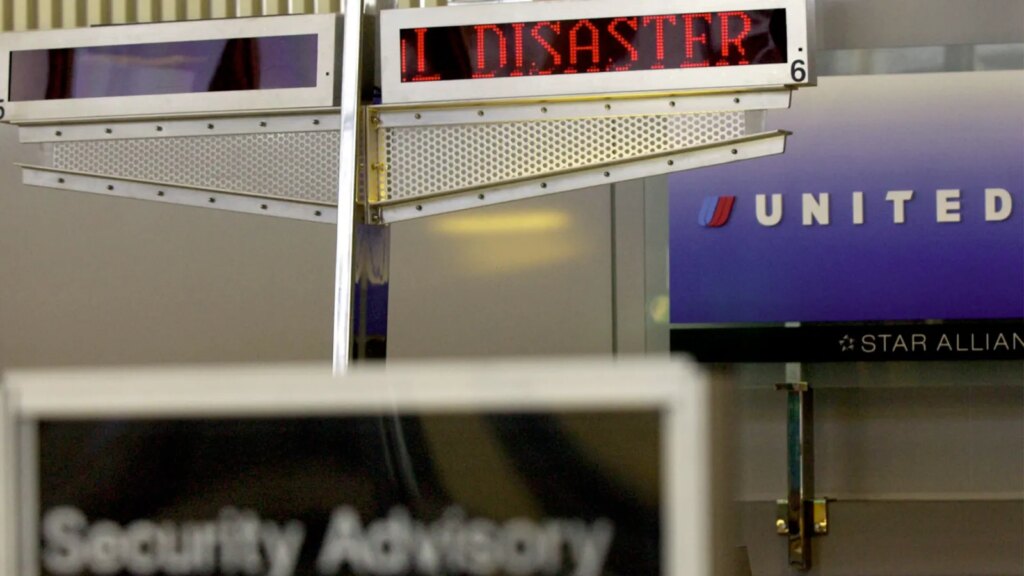
I alighted at the United terminal where I began flying into Logan as a child, my father hailing from nearby Brockton. Memories flooded back, like the time my grandmother sang “Take Me Out to the Ball Game” while I fell asleep in the car. However, on September 11, the terminal was desolate—no staff, no travelers, no parents managing children like my own mother once did. Only a small woman wielding a broom outside Dunkin’ Donuts remained, and I pondered whether to urge her to leave.
Related Content
Instead of leaving, I followed my customary check-in routine: the counter, the chairs where I spent hours reading the Globe, and then the security line. Everything was intact, except for the absent crowd, rendering the terminal reminiscent of an amusement park closed for the season. An obsessive phase with Elliott Smith played through my mind, his lyrics haunting me.
The first true love that folded at the slightest touch
Brought down like an old hotel
People digging through the rubble for things they can resell
I didn’t realize the airport had officially closed; workers and stranded travelers had evacuated. Meanwhile, grief counselors consoled bereaved families at the adjacent Hilton. After an hour, I departed and took the T into Boston. The daylight was still bright, yet Boston Common and the Public Garden, usually alive with activity, stood deserted, leaving vendors and tourists seemingly vanished.
Seeking distraction, I entered a screening of Novocaine, a lackluster movie featuring Steve Martin, but bolted halfway through, overwhelmed by the suffocating atmosphere. I strolled along Newbury Street, passing upscale shops and trendy record stores, eventually making my way home.
My wife was still at work, tackling the first of many grueling 18-hour days that would eventually lead her to report from Pakistan. Back home, I wrestled with my thoughts, unsure how to articulate the day’s events.
Years later, I would read accounts of World War I, depicting how cities like Vienna and Budapest slowly received fragmented information about their armies’ misfortunes. For Boston on 9/11, it was a city registered in horror, knowing the devastation had started from its own airport, yet it would take weeks, months, and even years to grasp the full scope of what had occurred.
Trending Stories
A few months later, I left Nahant behind, trading the calm for the chaotic pulse of New York City, a city still battered but fighting back. My memories of that day remained a blur, but one thing was clear: I never watched the jets take off from Logan again.