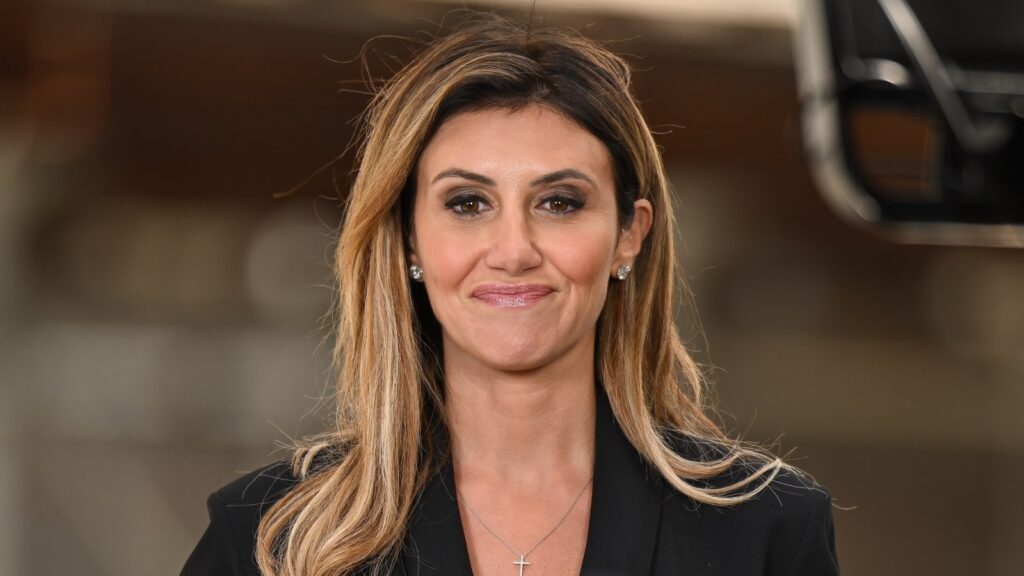
Alina Habba, previously known as a personal attorney for former President Donald Trump, has made bold accusations against federal judges, claiming they engaged in “collusion” against her. This controversy arises after a ruling that Habba’s tenure as an interim U.S. attorney in New Jersey was unlawful. The clash over judiciary authority and political influence casts a spotlight on Habba’s legal career and the intricate processes of U.S. judicial appointments. The keyword “Alina Habba accuses federal judges of collusion” weaves through this unfolding narrative, highlighting her allegations and sparking a broader debate.
Legal Status Under Scrutiny
U.S. District Judge Matthew Brann recently ruled that Alina Habba is not legally holding the position of U.S. Attorney, citing the lack of Senate confirmation as the critical issue. Her interim term expired on July 1, prompting New Jersey district court judges to appoint her deputy to succeed her. However, Attorney General Pam Bondi dismissed this decision, reinstating Habba in the role. Habba, in turn, claims the judges acted outside their authority, despite legal provisions allowing for such appointments in the absence of Senate confirmation.
Constitutional Debates and Accusations
The argument by Alina Habba accuses federal judges of collusion revolves around constitutional interpretations. Habba insists that Article III, governing judicial power, does not grant judges the authority to appoint U.S. attorneys, a role she contends falls under executive purview, including President Trump and Attorney General Bondi. Despite these allegations, Habba has not presented any evidence to substantiate her claims of collusion.
Meanwhile, her interpretation appears to overlook Article II, which stipulates presidential nominations require Senate confirmation. This creates a complex scenario where legal frameworks and political strategies intersect.
Political Implications and Reactions
The political ramifications of Alina Habba accuses federal judges of collusion extend beyond judicial appointments. Senators Cory Booker and Andy Kim have effectively blocked Habba’s nomination through procedural measures, reflecting their influence in the matter. This action, backed by the Senate’s blue slip policy, underscores the strategic considerations in judicial nominations, ensuring candidates are aligned with state interests.
Republican Senator Chuck Grassley, alongside GOP Senator Thom Tillis, has thus far resisted Trump’s pressure to sidestep these procedures, emphasizing the potential risks associated with undermining standard practices. Tillis expressed concern about the future implications of ignoring the blue slip tradition, questioning the administration’s approach.
Legal Challenges and Ongoing Controversies
Throughout her brief tenure, Alina Habba’s actions have been contentious. Her indictment of Democratic Representative LaMonica McIver for allegedly assaulting federal officers stirred further political tension, with McIver labeling the charges as politically motivated. This development adds another layer of complexity to Habba’s legal and political journey, entwining it with broader narratives of judicial fairness and political retribution.
As the saga of Alina Habba accuses federal judges of collusion unfolds, its implications stretch across legal, political, and constitutional domains, inviting scrutiny and debate on the roles and responsibilities within the U.S. judicial system.