As the 2026 Republican convention commenced in Dallas, the specter of Donald Trump loomed large, despite the fact that the former president will not be on the ballot this election cycle. This unique midterm convention represents a pivotal moment for Republican candidates who are grappling with a tumultuous political landscape and facing potential electoral setbacks. Polling suggests that, despite various efforts at gerrymandering and voter suppression, Republicans may face significant losses as voters express frustration with Trump’s turbulent governance over the past two years.
Trump as a Central Figure
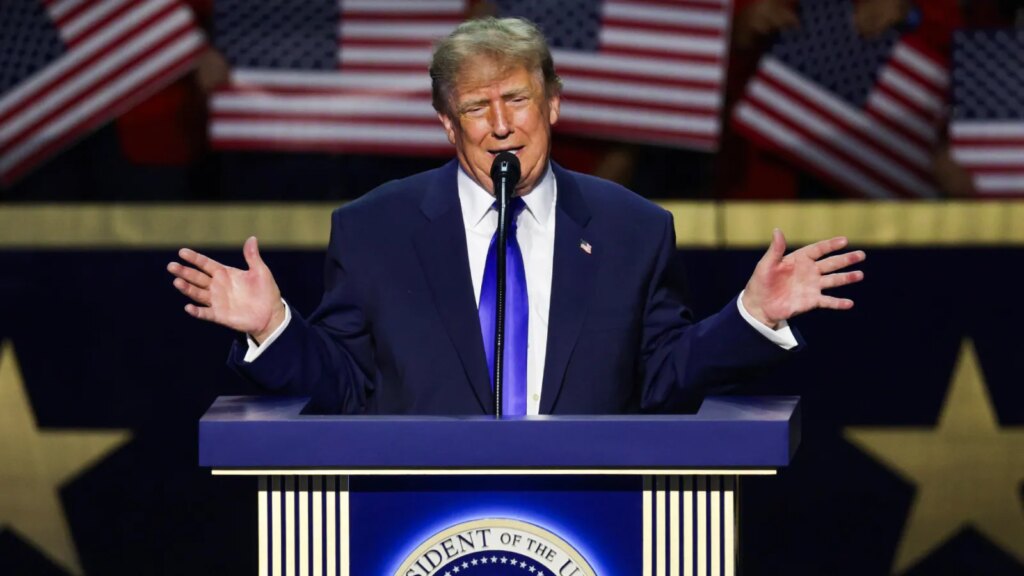
The convention, intended to set the tone for the upcoming elections, featured extensive imagery of Trump throughout the venue: his face adorned access badges, and merchandise such as “MAGA” hats and Eric Trump’s book, Under Siege, filled the official store. A Fox News broadcast center was set up to cover the event, featuring a lineup of GOP celebrities engaging in discussions. However, as Trump prepared to deliver a keynote address, a noticeable number of seats remained vacant in the arena, with American flags taped to the empty balcony sections as a makeshift attempt to mask the lack of attendance.
Mixed Feelings Among Republicans
Typically, national party conventions attract ardent supporters, but this year’s attendees—many of whom are staunch Trump loyalists—exhibited a sense of unease regarding the party’s electoral prospects. Ken Miller, a conference attendee from Texas, shared his cautious optimism while discussing the Republican Senate nominee, Ken Paxton. He remarked on the sophistication of messaging used by opponents, suggesting that some Republican candidates, like Paxton, could benefit from a more compelling narrative.
“I think he’s basically a good attorney general,” Miller stated, “but he’s got baggage” and emphasized the need for more inspiring messaging to resonate with voters.
Candidates Avoiding the Event
As the convention proceeded, it became evident that many Republican candidates, especially those in challenging races, opted to forgo the event. High-profile Republicans like Maine Senator Susan Collins and Alaska Senator Dan Sullivan chose not to attend, likely fearing that an association with Trump—whose approval ratings hover in the mid to low 30s—could hinder their campaigns. Trump himself downplayed their absence, claiming that it was due to “no room” for them, despite the more pertinent reality of his dwindling approval ratings, reminiscent of the political climate before Richard Nixon’s resignation.
Trump’s Pitch to Republicans
During his 90-minute address—far longer than initially scheduled—Trump appealed to attendees to regard him as “on the ballot,” underscoring his belief in the critical role he plays in the party’s success. He commented on the historical trend of presidents losing the midterms, expressing a desire to break that cycle because “we have something going that’s so good we can’t let that string be broken.”
In a bid to galvanize support, he also reiterated his previous offers of financial incentives to voters, suggesting a $5,000 tariff “dividend” should Republicans retain power in both the House and Senate.
Concerns from the Base
Attendees voiced concerns that the party leadership was disconnected from the everyday struggles faced by voters. One participant, Mary from Tennessee, reflected on her frustrations regarding the rising cost of housing, stating, “It’s like we’re arguing about the curtains, the dishes, the furniture, and all the while our foundation is just crumbling.” This sentiment echoed the frustrations of many, who feel the party is focusing on divisive cultural issues rather than addressing pressing economic challenges.