SPOILER ALERT: This story contains minor spoilers for “The History of Concrete,” now in theaters.
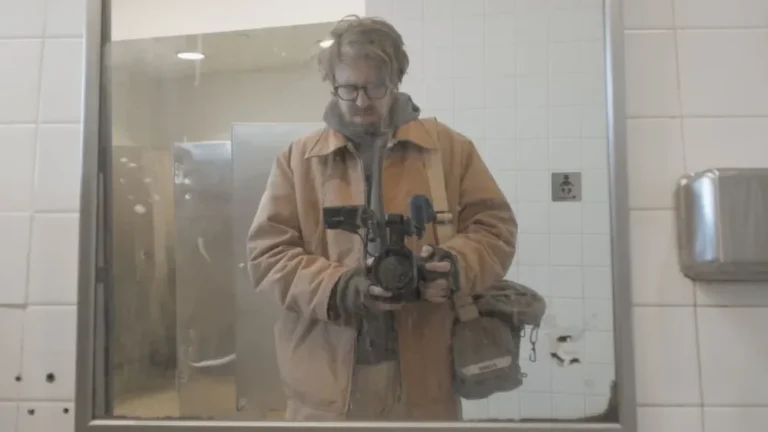
John Wilson’s latest documentary, “The History of Concrete,” delves into the world of one of humanity’s most ubiquitous materials. However, beneath the surface lies an exploration of the challenges inherent in marketing such a niche subject. As Wilson, known for his unique HBO series “How To,” traverses from glamorous concrete conventions in Las Vegas to ancient Italian structures and more intimate locations, he simultaneously reveals the struggle of selling a documentary titled “The History of Concrete,” an endeavor that proves as solid as the material itself.
Breaking Down the Walls of Creativity
During the filmmaking process, Wilson realized that the effort to create a definitive documentary on concrete wasn’t only about the material itself, but also about the very act of storytelling. “I genuinely did want to make the definitive movie about concrete,” he states. “I ended up incorporating the meta aspects about a year or so into the process, because I felt like that was becoming a more interesting story.” In his view, he sought to present the intricacies of filmmaking, a fascination stemming from his own childhood curiosity about production processes.
Finding Humanity Within Concrete
Wilson’s film transcends the cold, hard nature of concrete as it weaves in narratives from diverse and unexpected characters. From an engaging “gum buster” to a local musician dealing with grief, Wilson exposes the human side of a subject that might initially seem uninspiring. In doing so, he crafts one of his most heartfelt works to date.
The Challenges of Selling a Documentary
Discussing the financial aspects of filmmaking, Wilson notes the absurdity he faced when pitching his documentary. “It doesn’t matter. In terms of the money, we were asking for what a Netflix documentary would cost,” he explains. “The struggle is actually a lot more real than what’s on screen in the film.” He vividly describes the skepticism faced from potential investors, noting how the mere title causes laughter and doubt. “Would you give your own money to make ‘The History of Concrete’? Even if it’s me, I don’t know. It’s a strange proposition.”
Reimagining the Documentary Format
Though Wilson’s film follows a similar edgy structure to his HBO series, working within a feature-length format allowed for a richer exploration of subjects. “It was freeing in that I was able to have more durational subjects,” he reflects, highlighting several key characters and events that received more focus than they could have in a short episodic format. The documentary provides a broader scope, functioning almost as a prequel to his earlier work.
Softness Found Amidst Hardness
Wilson’s exploration of concrete not only leads him to examine the physicality of the material but also the emotional truths within the narratives presented. He recounts his bond with Jack, a musician whose kindness contrasts sharply with the tough exterior associated with concrete. “In the world of hard surfaces, he’s got a really soft interior,” Wilson notes, emphasizing the profound human connections he fosters throughout his journey.
The Symbiotic Relationship with Subjects
When discussing his responsibility towards the individuals featured in the film, Wilson expresses a careful balance of intimacy and distance. “I treated it as if he’s someone I’m going to see frequently,” he states about his interactions with Jack. This approach, aided by producer Francis Carr’s more regular contact, has ensured a healthy rapport while maintaining professional boundaries as Wilson navigates the lives of numerous subjects.
The Uneasy Glamor of Celebrity Culture
One highlighted scene involves a dinner with Kim Kardashian, which Wilson captures in an unorthodox and raw manner. “The discomfort started when I entered the room, and the filming only eased that discomfort,” he reflects, noting the awkwardness of celebrity interactions and the desire to encapsulate that feeling with an unembellished lens. Despite the potential controversy, Wilson felt grateful just to have captured these moments.
Unexpected Humor in Documentary Filmmaking
Wilson also creates levity within the film, finding poignant humor, particularly in the unexpected appearance of comedian Tim Robinson, who adds a comedic twist to an already tense moment. “No. Originally we did not have Tim at the end of that shot,” he remarks about the filming decisions that led to a more engaging final cut. This realization underscores the unpredictable nature of documentary filmmaking and its capacity for spontaneity.
A Final Touch of Poetic Flourish
Among the many shots captured, Wilson describes one in particular that encapsulates the film’s essence: “The timing of that was just incredible, and how casual he was.” The last-minute decision to include the grave of Chef Boyardee was birthed out of an urgent creative necessity, intensifying the film’s connection to deeper cultural meanings and adding a layer of symbolism that resonates surprisingly well.