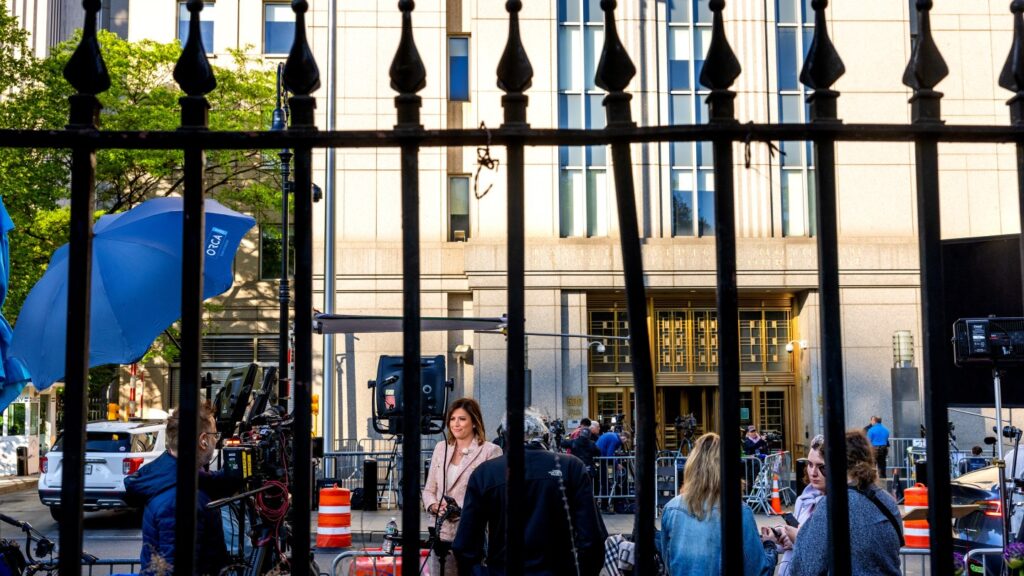
The trial of Sean “Diddy” Combs has captivated public attention, as prosecutors meticulously laid out their case for a guilty verdict in a lower Manhattan courtroom. Accused of serious offenses, Combs faces allegations that paint him as the leader of a criminal enterprise. This pivotal moment in the trial saw federal prosecutors conclude their arguments with compelling evidence and statements, hoping to sway the jury towards a conviction.
The Charges Against Combs
Federal prosecutors have charged Sean “Diddy” Combs with multiple counts, including racketeering conspiracy, sex trafficking by force, fraud, or coercion, and transportation for the purpose of engaging in prostitution. Despite pleading not guilty, the weight of the accusations — especially those involving his ex-girlfriends Cassandra “Cassie” Ventura and “Jane” — has left the jury with much to consider.
Prosecutors Meticulously Build Their Case
Assistant U.S. Attorney Christy Slavik led the charge, methodically presenting evidence to support the racketeering conspiracy and sex trafficking charges. She highlighted Combs’ supposed criminal enterprise, describing acts ranging from drug distribution to arson. The jury was told they must be unanimous in finding that Combs engaged in or conspired to commit racketeering acts, including the facilitation of drug use and commercial sex work, violence, and cover-ups.
Slavik pointed to testimonies and incidents as proof of Combs’ orchestrated operations. She detailed how Combs reportedly used drugs as leverage over Ventura and “Jane.” Further compelling was the alleged kidnapping incident involving Capricorn Clark, leading to an arson attack on rapper Kid Cudi’s Porsche as retribution.
Bribery and Coercive Control
The prosecution presented further evidence of bribery linked to video footage of an assault on Ventura. Despite Combs’ prior admission and apology regarding the incident, the footage remains central to the case, showcasing attempts to suppress damaging evidence through bribery schemes involving hotel staff. According to Slavik, this reflects the operation of a so-called “criminal enterprise,” meant to protect Combs from justice.
The sex trafficking allegations further argued that Combs orchestrated “freak-off” events involving drug-fueled, coerced participation. Slavik outlined the dynamics of control, manipulation, and financial dependency employed by Combs to maintain power over his victims.
Concluding the Case
Closing statements painted Combs as someone who wielded influence and resources to allegedly commit and cover up serious crimes. Prosecutors argued that years of manipulation and coercive tactics supported the charges, emphasizing the nature of these crimes under the guise of consensual participation to the jury.
Assistant U.S. Attorney Slavik ended the prosecution’s case with a direct appeal to the jury, urging them to deliver a guilty verdict. “All of this evidence paints a clear picture of how the defendant committed crimes,” she insisted, highlighting how Combs’ supposed reliance on his wealth and influence should no longer shield him from accountability.