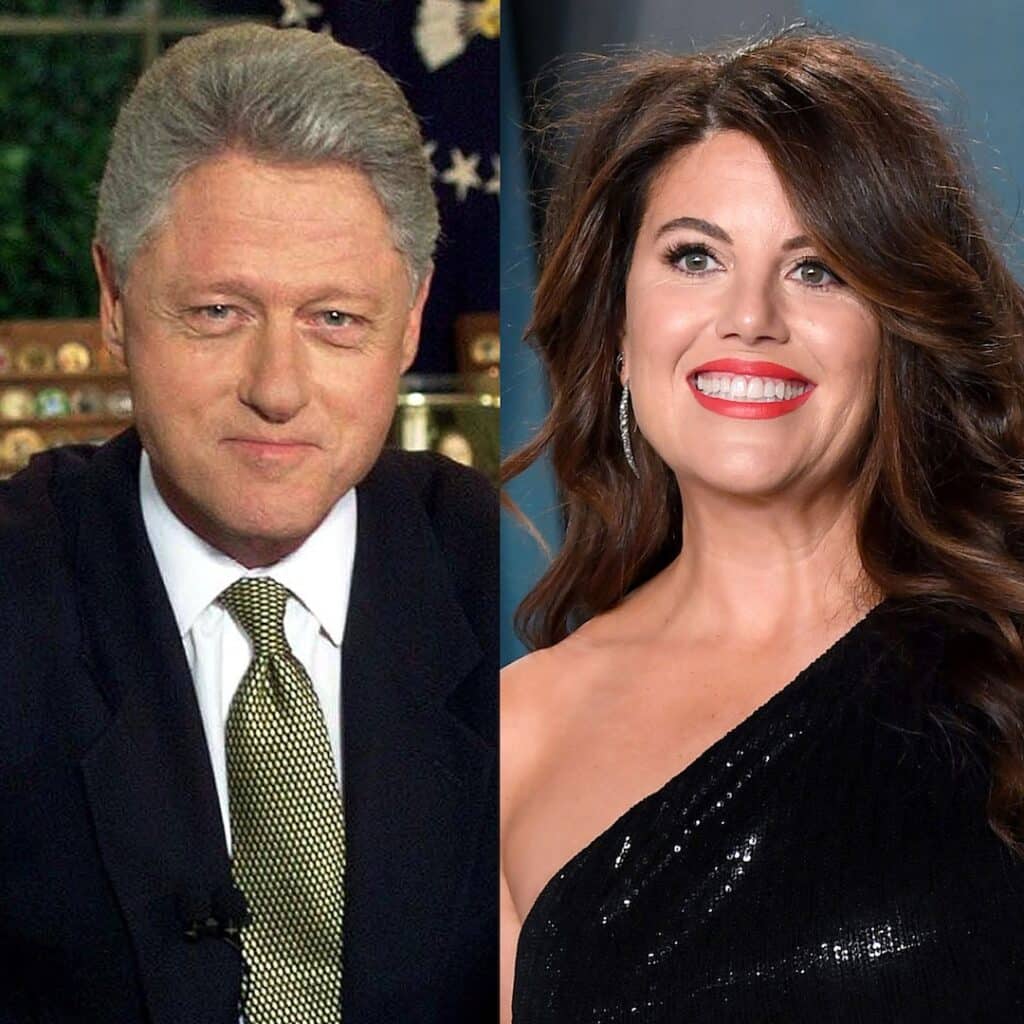
Monica Lewinsky, a central figure in one of the most scrutinized political scandals of the 1990s, recently described her affair with former President Bill Clinton as an “abuse of power.” Lewinsky, who was an intern at the White House when the affair took place, has consistently worked to reshape the narrative around her experience, emphasizing the power dynamics at play. This key insight sheds new light on her perspective and highlights how such dynamics can alter personal and professional paths.
Even so, the 51-year-old made it clear that, while she was referred to the internship program by a family friend, she earned her position all on her own.
Reflecting on Her Early Career
“My very first job out of college was working in the White House,” she explained. “I don’t think that that’s the kind of trajectory that someone thinks then 10, 12 years later, that person’s not going to be able to get hired.” Her words paint a picture of a promising beginning that was later overshadowed by the scandal’s fallout.
After her White House internship, Lewinsky advanced to a position at the Pentagon. “Then I worked in the Pentagon as well and travelled the world with my boss—who was the Pentagon spokesman—and we travelled with the Secretary of Defense,” she continued. Her career trajectory underscores her capabilities and drive, traits she feels have been overshadowed by the affair’s legacy.
Challenging Public Perceptions
Despite her accomplishments, Lewinsky acknowledges the difficulty of shaking off the media’s portrayal. “I’m by no means a genius, by no means going to be the cream of the crop, but I wasn’t a bimbo. I wasn’t a dumb bimbo,” she stated, challenging reductive labels that have haunted her for years.
But despite knowing her own worth, Lewinsky admitted that it was a “big struggle” to cope with being portrayed as the naïve “other woman” by the public. Her candid reflections invite a reconsideration of her story, urging a broader look at the implications of power dynamics in workplace relationships.
Monica Lewinsky’s perspective on the affair serves as a significant commentary on authority and influence, urging ongoing discussions on such critical issues. Her narrative continues to resonate, shedding light on experiences that remain relevant in today’s sociopolitical climate.