In a surprising twist, J.D. Vance memes have resurfaced amidst a contentious border control incident. The recent case of a Norwegian tourist reportedly denied entry into the U.S. because of a meme has reignited debates about free speech and government overreach. The incident raises questions about the balance between national security and individual rights, making it a focal point of both public discourse and social media buzz.
The Incident: A Closer Look
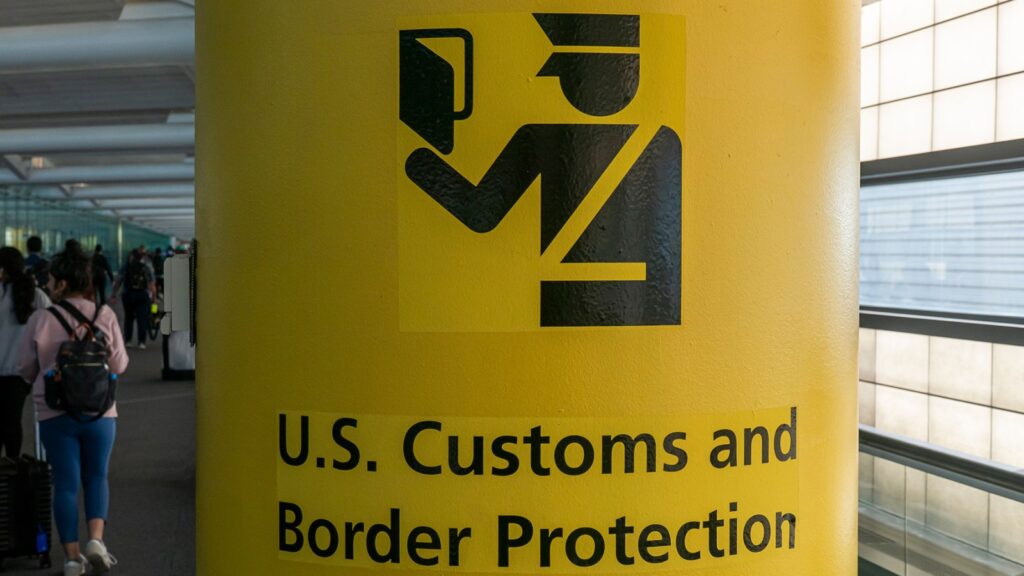
For many, the United States embodies the principle of free speech. However, recent events indicate a troubling shift. The case of Mads Mikkelsen, a 21-year-old Norwegian tourist, epitomizes this tension. Allegedly barred from entering the country due to having a meme of J.D. Vance on his phone, Mikkelsen experienced hours of interrogation at Newark Liberty International Airport. According to his account in Nordlys, a Norwegian newspaper, U.S. border authorities focused on this image, threatening penalties if he didn’t comply.
Reacting to the media frenzy, Customs and Border Protection and the Department of Homeland Security denied that the meme was the primary reason for his denied entry. They claimed it was his “admitted drug use” that led to the decision. Mikkelsen concurred he disclosed legal cannabis use in Germany and New Mexico. Despite this, he contends that the documentation he received contained numerous inaccuracies.
Memes and Power Dynamics
The J.D. Vance meme incident points to deeper issues about the use of power. Official statements downplayed the meme’s significance, yet many remain skeptical. The meme has since gone viral, shared by political figures across the globe. Ivana Bacik, leader of Ireland’s Labour Party, even brought the issue to the Irish parliament, calling it a significant constraint on free expression.
This event echoes historical instances where authorities sought to suppress dissenting voices through what can seem like trivial matters. The case of China’s censorship of Winnie the Pooh is a notable parallel. Such acts of censorship often backfire, drawing more attention to the critiques they aim to quell.
The Bigger Picture
Mikkelsen’s experience isn’t an isolated case; increased scrutiny of travelers highlights a growing trend. The U.S. Department of State recently announced that student visa applicants would face social media reviews to ensure they’re not critical of the country. This development, alongside Mikkelsen’s ordeal, underscores a climate of heightened vigilance at the cost of personal freedoms.
For those daring to critique, these instances underline a harsh reality. Public figures and administrations often react defensively to memes and satire aimed at them, revealing institutional fragility. Although memes like those of J.D. Vance may seem harmless, their suppression reveals broader insecurities within the power structure.
A Symbol of Resistance
As the J.D. Vance meme gains traction, it symbolizes resilience against perceived authoritarianism. Its resurgence could spark a movement against the curtails of free speech, standing as a beacon for those challenging systemic abuses. This return of the meme could inspire more to resist using humor and creativity.
For Mads Mikkelsen, the ordeal offers a stark lesson on the state of American freedoms. The experience might deter, but it also sheds light on the critical need to safeguard individual rights in a world where even a meme can become a symbol of defiance.