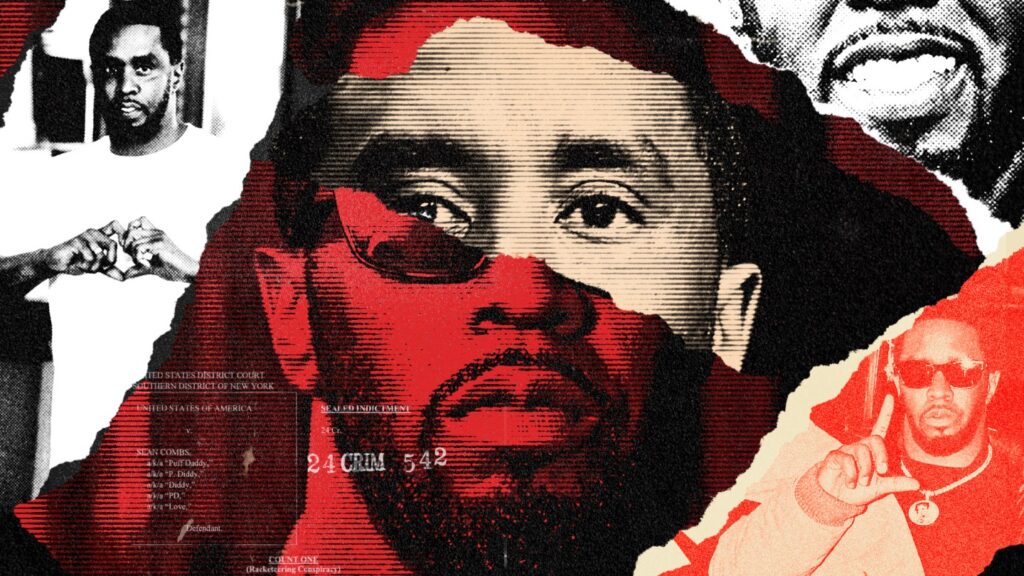
Sean “Diddy” Combs recently navigated a significant legal ordeal by dodging some of the most severe allegations of sex trafficking and racketeering. This development raises questions about whether Diddy’s career can weather the storm of controversy, especially within an industry notorious for its complex history with misconduct. As discussions unfold, the music world is divided about what the future holds for Combs and how the industry at large will address such challenges.
Diddy’s Career Under Scrutiny
The optimism for a complete image makeover for Combs appears dim. The stark reality remains that footage of violent incidents involving him has been widely circulated. Moreover, the shadow of numerous civil suits looms large, leaving his career trajectory filled with uncertainty. Observers note that the prosecution’s overreach on charges played a role in his acquittal, yet he’s still detained awaiting sentencing. His remaining convictions might result in a significant prison term, creating further complications for any potential career revival.
Music insiders express skepticism about Combs regaining his past mainstream appeal. However, some suggest if there’s any field where he might resurface, it’s music. Despite attempts at cultural shifts post-#MeToo, fear of backlash over these issues persists. Several executives, preferring anonymity, revealed concerns about potential retaliation, highlighting the entrenched challenges within the sector.
Industry Perspectives on Resilience
A veteran music entrepreneur remarked, “He’s a monster. The music industrial complex has protected him for decades.” This sentiment captures the prevailing unease about Combs’ future. Another communications executive observed that the industry’s short memory might work in his favor, suggesting “Artists are given license. The music industry is lawless.” This environment might allow Combs a pathway back, albeit tarnished.
The industry’s track record with notorious figures is mixed. Artists like Chris Brown and Ryan Adams have faced serious allegations and maintained careers, indicating a potential route for Combs. However, experts argue that every situation is unique, and the court of public opinion could wield significant influence.
Future Prospects and Challenges
One record label founder who has known Combs professionally muses, “Will he have a career after this? Not sure. I think he’s gonna be persona non grata for a few years.” The label head believes that while Combs might face initial industry rejection, the allure of talent discovery and hit-making could eventually lure him back.
Meanwhile, Dr. Ann Olivarius, a notable attorney in women’s rights, commented, “The damage to Diddy’s reputation is real, and demonstrates that the world is watching.” As Combs faces ongoing legal repercussions, it’s uncertain if audiences will continue to support him, complicating predictions about any career resurgence.
A hip-hop and R&B executive shares a grim outlook, stating, “Where do you go after a video of you beating your girlfriend surfaces?” This stark imagery underscores the challenge Combs faces in rebuilding credibility and fan loyalty. With new music, he might have compelling narratives to share, yet skepticism remains prevalent.
The case surrounding Diddy is emblematic of broader systemic issues. Tiffany Red, a music advocate, emphasized, “Far too many people are guilty of corruption and abuse in the music industry, but very few are exposed.” As discussions continue, the question remains whether the industry will evolve or remain entangled in its historical patterns.