El Monaguillo, el Cura y el Jardinero is an eye-opening documentary that shines a light on a pivotal sexual abuse case in Costa Rica, transforming both legal precedents and the way such stories are told in cinema. The film captures the courageous journey of Anthony Venegas Abarca and others as they confront their past, revealing the daunting challenges victims face. This article delves into the making of this groundbreaking film and its impact, emphasizing the resilience of those seeking justice.
In 2018, director Juan Manuel Fernández discovered the story of Anthony Venegas Abarca while in Thailand. Anthony had publicly accused Mauricio Víquez Lizano of child sexual abuse, a move that resulted in a landmark 20-year prison sentence and changed Costa Rican legal statutes on child sexual abuse.
World Premiere at Costa Rica Film Festival
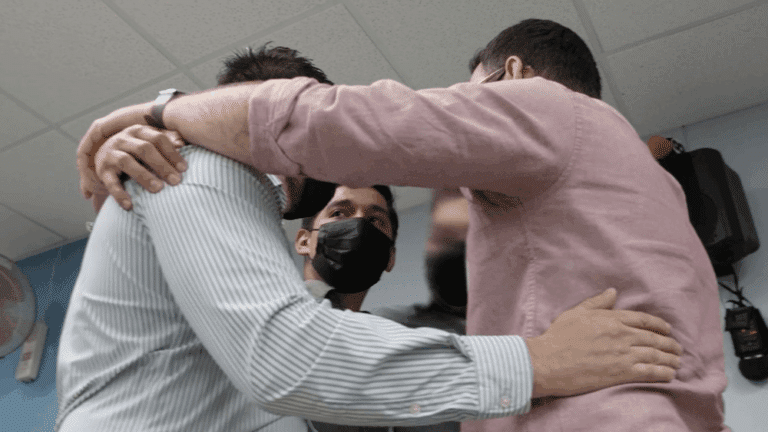
At the heart of “El Monaguillo, el Cura y el Jardinero” is Anthony’s harrowing experience, showcased during the film’s world premiere at the Costa Rica Film Festival. The film intricately captures the emotional and legal battles, emphasizing the courage of those who stepped forward.
Director Fernández, speaking to Variety, emphasized his commitment to telling this story. “I told them from the beginning I wanted to make a film about this,” he said, highlighting his determination to see the project through, even offering his work pro bono because of its significance.
The Chase for Justice
As the statute of limitations loomed, Fernández and Anthony embarked on a tense pursuit across borders to locate Lizano, who had fled Costa Rica. “The chase involved Interpol, making it challenging to find him in a vast country like Mexico,” Fernández explained. “We didn’t have much time.”
This relentless pursuit underscored the intensity and urgency of their mission, illustrating the obstacles victims must overcome in their fight for justice.
Sensitive Storytelling
The film’s delicate nature necessitated a careful approach to avoid re-traumatizing the subjects. Fernández emphasized sensitivity, ensuring the victims felt comfortable throughout the process. “I wanted them to feel at ease,” he noted, employing techniques like voice-overs to create a safe space for expression.
Fernández’s past works, including CRFIC-winning films, prepared him for this challenging project, focusing on personal narratives rather than a broader critique of the Catholic Church.
A Film with Impact
Tackling a sensitive topic like this in a predominantly Catholic nation is no small feat. Fernández’s strategy involved concentrating on the victims’ stories to avoid overall condemnation of the church. “It’s not about the Church itself,” he remarked. “It’s about the story of these men.”
Despite any fear, Fernández underscores the film’s importance in conveying the truth through the personal stories of those involved. “Their abuser is in jail—it’s the truth,” he states.
Future Endeavors
Following this impactful project, Fernández is working on “Impermanence,” a film exploring the high suicide rates within Indigenous communities in Costa Rica’s Talamanca reserve. This sensitive yet vital film has been years in the making, focusing on personal stories of loss and resilience.
“Talamanca holds one of the highest suicide rates in the country,” Fernández said, noting his work with affected families. Produced by Biofilms and Proart, “Impermanence” is in post-production, with a release anticipated next year.