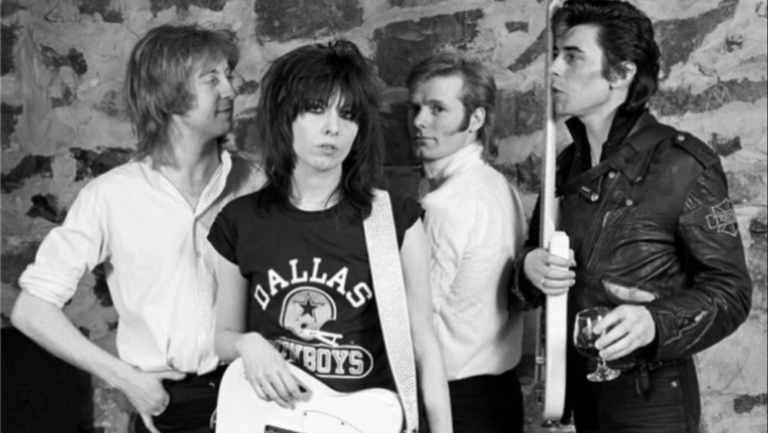
Chrissie Hynde, the formidable frontwoman of The Pretenders, has always been more comfortable with the music than with the spotlight. A new documentary titled “The Pretenders,” directed by Joss Crowley, sheds light on the band’s genesis and provides an intimate portrait of Hynde herself. Premiering at the Toronto International Film Festival, the film chronicles the band’s history from their groundbreaking debut album in January 1980 through the numerous challenges they faced, including lineup changes and the tragic loss of band members. Despite Hynde’s well-documented role as a rock icon, the film aims to keep the focus on the collective story of the band rather than her solo journey.
Documenting the Untold Story
Crowley has been attempting to tell The Pretenders’ story for over a decade, but convincing Hynde to participate proved to be a challenge. As someone who has often shunned the camera, she approached the project with caution. “I’ve been trying to work with Chrissie for over 10 years and kept knocking at the door. It was just a question of the right time and place,” Crowley revealed. They finally met, discussing mutual interests that bridged their artistic visions, leading to their first interview just a week later.
Hynde’s Reluctance
Hynde’s hesitation to embrace the documentary format stemmed from her desire for authenticity. “It would be visually focused on archive footage talking about the band, not focusing too much on me,” she said. Her concern was rooted in a previous experience where an unofficial documentary on The Pretenders was made without her input. This sparked her realization that if her story was to be told, it should be true to her experience and her bandmates, especially the late James Honeyman-Scott, whose legacy she feels has often been overlooked.
Reflections on Past and Future
As the film progresses, Hynde reflects on her bandmates and their contributions. She states, “A rock band is all about electric guitar, and I think he [Honeyman-Scott] was one of the great guitar heroes. He didn’t get his due, and that would be important for him.” This retrospective is not just a means of memorializing her friends but also provides a space for Hynde to confront the complexities of her own career and the challenges she has faced as an artist.
A Different Approach to Storytelling
Crowley emphasized that keeping the interviews authentic was crucial. “I wanted to ensure Chrissie’s personality came across in the film,” he noted, acknowledging that their extensive hours spent together allowed for more intimate conversations, often revealing deeper insights into Hynde’s character. Hynde’s candidness about her discomfort in the public eye is palpable. “I like being in a band; I just don’t like being observed. It’s a real problem,” she admits, capturing the paradox many musicians face in balancing public persona with personal authenticity.
Documenting a Legacy
Crowley’s quest to find rare archival footage proved essential in documenting the band’s journey, particularly thanks to the discovery of diaries kept by Stan Tippins, the band’s first tour manager. His recordings provide invaluable context and insights into life on the road during The Pretenders’ formative years. Both Hynde and Crowley resonate with the sentiment that understanding the past is vital to appreciating their legacy.
Final Thoughts
Ultimately, Hynde is thankful for the opportunity to tell her band’s story authentically, despite her camera-shy nature. “Being in a rock band… I mean, who didn’t want to be in a rock band?” she noted with a touch of nostalgia. As she prepares for the film’s premiere in Toronto, she reflects on the journey that has led her here, acknowledging that while she has achieved much, at heart, she remains the same person who simply aspired to be part of a band, living a life that many can relate to.