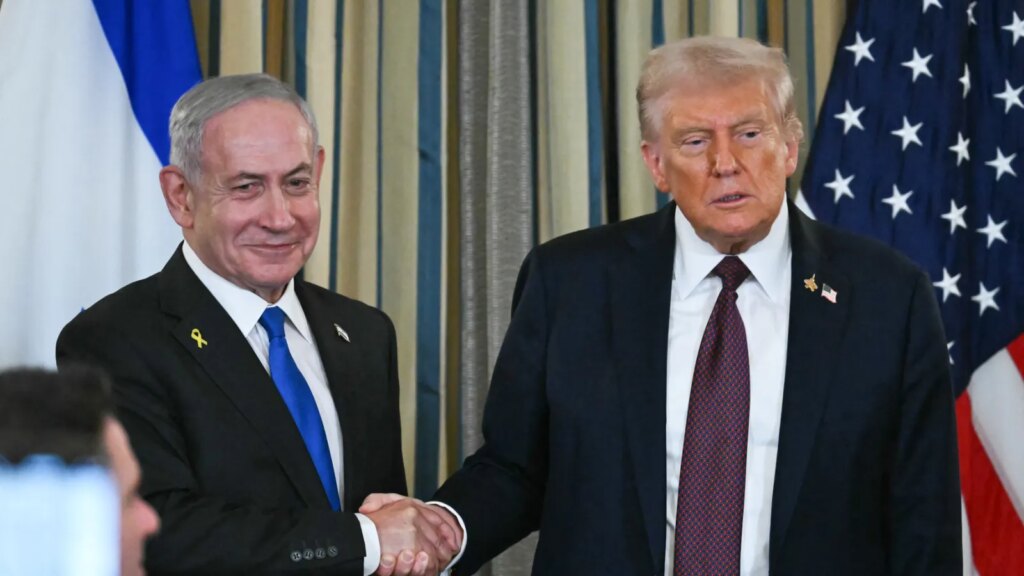
In the midst of ongoing conflict in Iran, the United States is reportedly preparing a significant military support package for Israel, which includes the sale of bombs worth $2.8 billion. This initiative, associated with the Trump administration, is being financed through a government program that will see U.S. taxpayer dollars used to fund Israel’s military rearmament directly.
The Arms Package Explained
According to The Washington Post, this arms package represents a substantial shift in the traditional arms deal framework. In usual circumstances, international arms agreements allow countries to purchase U.S. weapons, which typically benefits the U.S. economy. However, this deal utilizes the Foreign Military Financing program, essentially providing Israel direct funding from U.S. government resources to procure the weapons.
Public Opinion on U.S. Military Aid
Despite the administration’s plans, there appears to be a growing public disapproval regarding military aid to Israel. Polling data from 2024 shows that 52 percent of Americans believe the government should cease weapon shipments to Israel. Moreover, a New York Times/Siena College poll indicated that a majority of respondents are against any additional economic or military assistance to the nation. Additionally, a Quinnipiac poll revealed that nearly half of U.S. voters feel that America is too supportive of Israel.
Congressional Oversight and Processes
As the news of the arms sale breaks, congressional committees have reportedly been made aware of the planned transaction, though the typical processes associated with arms deals may not fully apply in this case. A senior administration official stated, “All foreign arms sales are moving through the appropriate process. We do not comment on pending sales.” This has led to questions about whether Congress will have a genuine opportunity to challenge the sale.
Details of the Bombs Included in the Deal
The munitions being sent to Israel are formidable in nature. The proposed deal involves approximately 40,000 bombs, each weighing 2,000 pounds or more, many designed as bunker busters equipped with “penetrator” warheads capable of creating substantial destruction and dispersing lethal shrapnel over large areas. Among these munitions are MK-84 or BLU-117 bombs, recognized as some of the U.S. military’s largest unguided munitions, which can potentially be modified for precision targeting. Critics have noted that the use of these bombs in densely populated civilian zones has drawn significant reproach.
Context of U.S. Military Involvement
The U.S. has previously deployed considerable resources in its conflict with Iran while also allocating critical defense assets to assist Israel amid its ongoing military operations in Gaza. While the MK-84 bombs are not categorized as specialized munitions, their devastating capabilities remain a concern when used in urban environments.
It appears that Israel will maintain a robust arsenal, underscoring the continuing complexities of U.S. foreign military assistance and regional security dynamics.