Next week, a significant shift in the film industry will unfold as Paramount and Warner Bros. officially merge into a formidable new entity named Skydance. This merger, which is set to close on Tuesday, is poised to reshape the landscape of blockbuster filmmaking and studio operations.
Skydance: A New Powerhouse in Filmmaking
In a recent announcement via X, Skydance CEO David Ellison remarked, “By combining them, we aren’t rewriting history — we’re equipping these iconic studios with a more powerful engine. Together, we are Skydance: a creative-first home for bold, quality storytelling.”
Skydance Media, established in 2006, has built a reputation primarily for producing action-packed franchise films and streaming content, while maintaining a more diverse television lineup. With the merger, Ellison’s focus on crowd-pleasers and established franchises will likely define the studio’s direction going forward.
Maintaining Legacy Amidst Change
While it appears that Warner Bros. will continue its pursuit of awards contenders and Paramount will not abandon romantic comedies, the new Skydance may prioritize action films and popular franchises. This includes long-standing franchises like “G.I. Joe” and “Star Trek.” Importantly, Skydance has already garnered over $8.7 billion at the global box office, indicating a strong market presence for a relatively small studio.
The studio is expected to ramp up production drastically, with Ellison committing to releasing at least 30 films per year — a substantial increase compared to its previous output.
Star Collaborations and Expected Hits
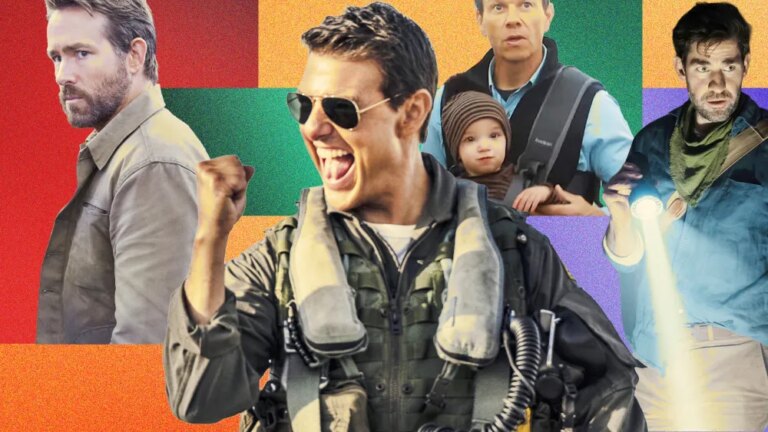
Skydance has cultivated a roster of star talent, with Tom Cruise being a standout favorite. Despite the current hiatus of the “Mission: Impossible” franchise, plans for a “Days of Thunder” sequel are already underway. Many Hollywood stars have expressed skepticism towards the merger, but Cruise remains optimistic, predicting that Skydance will successfully rejuvenate the film industry.
In addition to Cruise, frequent collaborators include Mark Wahlberg, who starred in two “Family Plan” films, and Ryan Reynolds, known for roles in “Mayday,” “The Adam Project,” and “6 Underground.” Skydance also celebrates the contributions of John Krasinski and Arnold Schwarzenegger, both of whom have played significant roles in the studio’s projects.
An Expansive Portfolio of Intellectual Property
One of the largest advantages for Skydance post-merger is the acquisition of an extensive library of intellectual properties from Warner Bros. This includes iconic brands such as DC Studios, “Harry Potter,” “Lord of the Rings,” “Game of Thrones,” and many more. Classic films like “Blade Runner,” “Goodfellas,” and “The Matrix” are now under Skydance’s umbrella, opening up numerous possibilities for reboots and adaptations.
Skydance has already gained momentum in franchise filmmaking, with established series like “Mission: Impossible,” “Top Gun,” and “Transformers” expected to support the promising goal of releasing a significant volume of films annually.
Balancing Big and Small Screen Strategies
Notably, Skydance has experienced success not only at the box office but also in streaming with films like “The Family Plan,” which found an audience on Apple TV+, and Gina Prince-Bythewood’s “The Old Guard” on Netflix, which also led to a sequel. However, the terms of the merger stipulate that new Skydance releases must have a 45-day theatrical exclusivity period, limiting how quickly they can debut on streaming platforms like Paramount+.
Action-Centric Approach Dominates
Skydance has consistently produced high-octane films, with action being a defining characteristic of its identity. From “Mission: Impossible” to “Jack Reacher” and recent titles including “Mayday” and “The Family Plan 2,” action films continue to draw in audiences. Ellison, proclaiming himself a movie fan first and foremost, has infused the studio’s vision with his own preferences, driving the focus towards high-stakes storytelling and box office hits.
Diverse Offerings in Television
In addition to its cinematic endeavors, Skydance Television has also made a notable mark with series like “Reacher” and its spinoff “Neagley.” Other successful projects such as “Grace and Frankie” on Netflix and Apple TV+’s “Foundation” reflect the studio’s capacity for a range of genres, though it has yet to replicate the Emmy-winning success achieved by its new subsidiary, HBO.
As the industry watches closely, Skydance’s merger with Warner Bros. and Paramount presents both exciting opportunities and challenges as it seeks to balance the rich legacy of its predecessor studios with an appetite for blockbuster action and crowd-pleasing narratives.