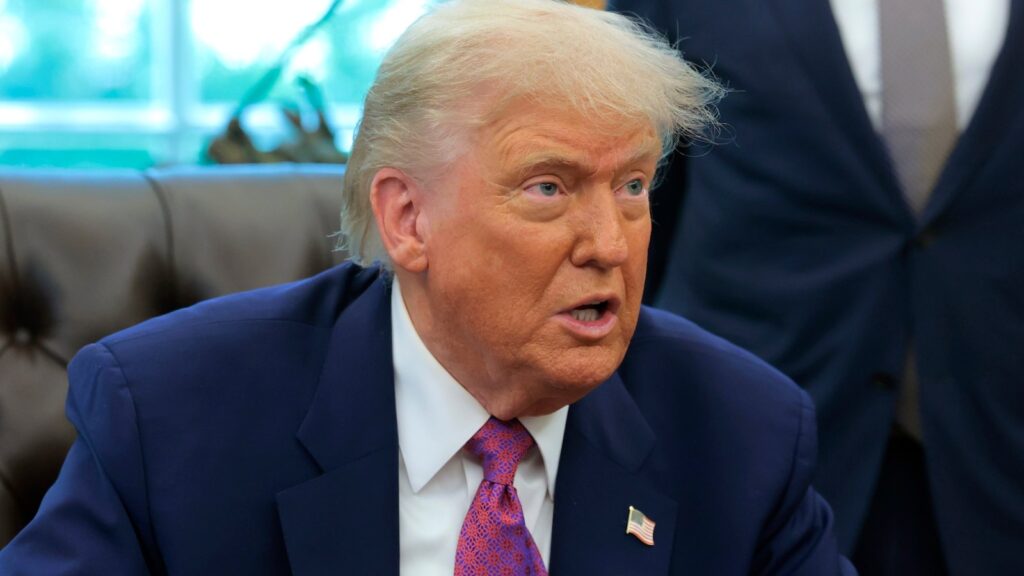
A recent report reveals that former President Donald Trump rejected an Israeli proposal to assassinate Iran‘s Supreme Leader, Ayatollah Ali Khamenei. This development sheds light on significant diplomatic considerations at play during Trump’s administration. According to sources, the plan was discussed but ultimately vetoed by Trump, prompting discussions about the geopolitical ramifications of such actions. The decision highlights the complex dynamics between the U.S., Israel, and Iran.
Trump’s Decision
Donald Trump reportedly turned down an Israeli plan to eliminate Iran’s Supreme Leader, Ayatollah Ali Khamenei. U.S. officials, speaking anonymously to Reuters and the Associated Press, confirmed the decision. The Israeli government had recently discussed the plan with the Trump administration, but the president decided against it, according to an anonymous U.S. source quoted by the AP.
Diplomatic Considerations
“Have the Iranians killed an American yet? No. Until they do, we’re not even talking about going after the political leadership,” a U.S. official told Reuters. This statement highlighted the threshold that U.S. officials considered necessary before engaging in such aggressive actions. The revelation underscores the delicate balance of responses to international provocations.
Regional Tensions
Questions surrounding the plot were raised during an interview on Fox News’ Special Report with Bret Baier. Israeli Prime Minister Benjamin Netanyahu chose not to comment directly, stating, “But I can tell you, I think that we do what we need to do, we’ll do what we need to do. And I think the United States knows what is good for the United States.” His remarks reflect Israel’s strategic stance and its coordination with the U.S.
Recent events saw Israel launching strikes against Iranian targets, resulting in significant casualties, as reported by Human Rights Activists. In response, Iran retaliated with missile strikes on Israeli territories, some breaching the Iron Dome and reaching Tel Aviv. This escalation led to numerous deaths and injuries on both sides.
Calls for Peace
Trump addressed the rising conflict on Truth Social, urging Iran and Israel to engage in peace talks. “Iran and Israel should make a deal, and will make a deal,” Trump posted, citing de-escalation efforts and expressing optimism for future calm. He further emphasized the need for diplomatic solutions, writing, “We will have PEACE, soon, between Israel and Iran!”
In another post, Trump clarified that the U.S. “had nothing to do with the attack on Iran, tonight,” while warning of severe consequences if Iran attacked. Iranian Foreign Minister Abbas Araghchi indicated that Iran would cease its response if Israel halted assaults.
Negotiation and Demands
Prime Minister Netanyahu indicated willingness to stop strikes if Iran dismantled its nuclear capabilities, calling the Iranian regime “very weak.” He emphasized on Fox News, “The issue here is stopping those things that will threaten our survival. And we’re committed to stopping them.” He suggested cooperation could occur if Iran accepted Trump’s terms.
Trump has consistently maintained that “Iran cannot have a nuclear weapon” and emphasized the need to cease enrichment activities. Netanyahu expressed that if diplomatic efforts failed, Israel would aim to neutralize Iran’s capabilities independently.