Credit: Far Out / Allen Beaulieu
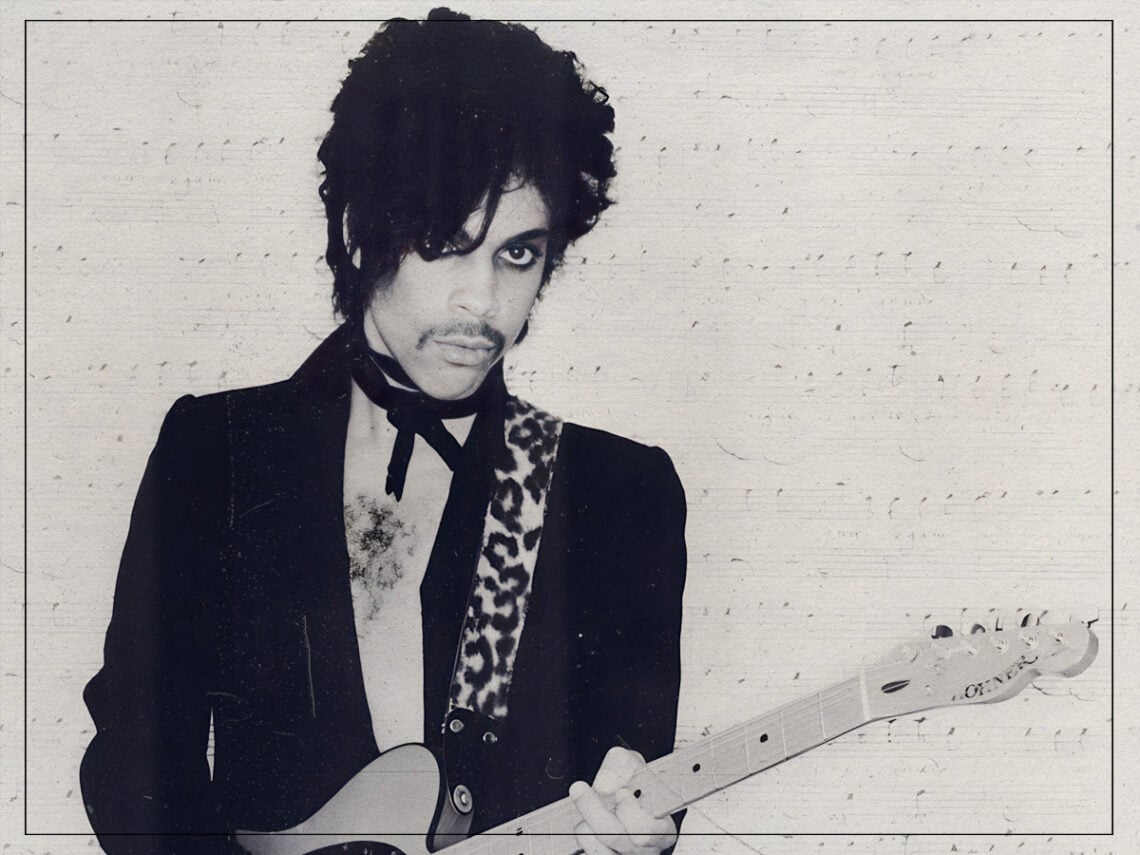
Prince Rogers Nelson, known simply as Prince, was a powerhouse in the music industry during the 1980s, rising to significant fame and leaving an indelible mark on pop music. His exceptional talent and prolific output, however, came with a complicated relationship with the industry, particularly in his rivalry with another iconic pop star: Madonna. While both artists achieved immense success—Madonna selling approximately 400 million records—Prince’s artistry and impact in the music realm often went unrecognized, leading to a sense of resentment.
The Rise of Prince and Industry Struggles
From the start, Prince faced skepticism about his ability to create great music. Despite often not having the biggest chart hits, his innovative sound and genre-blending approach led to some of the greatest pop music ever produced. However, Prince also felt overshadowed at times, especially by those who he believed were receiving undue attention. His frustrations were compounded by the demanding nature of the music industry, where he often felt manipulated and undervalued.
Prince’s journey was marked by hard work and determination to control his artistic destiny. After facing criticism from Rolling Stones fans, he proved his worth by producing a string of successful albums. Yet, he repeatedly found himself at odds with record labels, particularly Warner Bros, which did not align with his vision or compensate him fairly for his contributions. His public protest, including infamously writing “slave” on his cheek, symbolized his battle to reclaim his identity and artistic freedom amid contractual disputes.
Rivalry with Madonna
Beyond his struggles with the industry, Prince’s career was inevitably intertwined with Madonna’s meteoric rise. While she achieved extraordinary sales and success, Prince was notably frustrated that much of his earnings supported her flourishing career. He expressed his feelings candidly, stating, “It was always about Madonna. She was getting paid, but at the same time, we were selling more records and selling out concerts on multiple nights.” Prince acknowledged her individual sales but believed his prolific output and diverse catalog deserved equal recognition.
While he admired Madonna’s achievements, Prince felt his work was overlooked. He knew that his artistry measured up against hers, yet the industry’s focus seemed to favor her star power over his superior creativity and output. This dynamic fueled a simmering resentment, highlighting the stark contrast in their trajectories and the complexities of fame in an industry where financial success often eclipsed artistic merit.
A Legacy of Prolific Output
Despite the turmoil, Prince remained an unparalleled force in music. He produced an impressive volume of work spanning multiple genres, consistently crafting music that resonated with fans. While not every album was universally acclaimed, his fearlessness in exploring various styles showcased his artistic mastery and ambition. His commitment to his craft meant he was never going to roll over quietly; instead, he sought to elevate his status within a system that frequently undervalued him.
Ultimately, as Prince navigated the pressures of fame and industry politics, what mattered most was the enduring legacy he would leave behind. People were captivated not just by his music but by his name, making it clear that his contribution to pop culture would remain significant long after his passing.