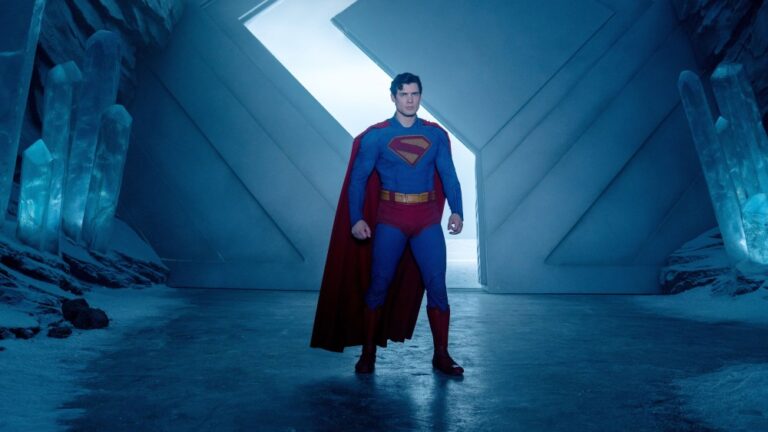
In the evolving landscape of film critique, the release of "Superman" sparked a fascinating divide among reviewers, igniting a movie-review war over the notion of entertainment excess. This debate has crystallized the question: when does too much fun become a detriment? As critics grapple with this dynamic, the very essence of film enjoyment is called into question, particularly when divergent opinions stand in stark contrast. The discourse around "Superman" provides a compelling case study on how cinematic indulgence can both captivate and polarize audiences.
The Critical Divide
Critics today often find themselves aligning with a consensus, the collective viewpoint becoming almost a norm. However, “Superman” has emerged as a striking outlier. While a significant number of reviewers, my own thoughts included, have celebrated the film with enthusiasm, a substantial faction has voiced dissent. Their contention is rooted not in the film’s capabilities but in its perceived excesses.
When Does Fun Overwhelm?
Both sides of the “Superman” debate offer valid perspectives. Enthusiasts revel in its vibrant storytelling and larger-than-life spectacle. Yet, critics of the film argue that the relentless pursuit of fun can occasionally overshadow narrative depth and character development. This raises the essential question: Can a film’s exuberance become its Achilles’ heel?
The Role of Expectations
Expectations play a crucial role in shaping reactions. “Superman” arrives with a legacy, and the accompanying anticipation can skew perceptions. For some, the promise of exhilarating escapades was fulfilled, while others felt a disconnect between promise and delivery. Thus, what constitutes too much fun often hinges on individual viewer expectations.
Balancing Entertainment and Substance
Filmmakers face the challenge of balancing entertainment value with meaningful storytelling. Movies like “Superman” exemplify this juggling act. When executed successfully, they can appeal to both thrill-seekers and those craving depth. Yet, as demonstrated in the movie-review war, achieving this equilibrium is no easy feat.
The discussion around “Superman” underscores a broader examination within the film industry: how to navigate the fine line where fun begins to overwhelm and critique becomes a reflection of personal tastes. As audiences continue to demand both spectacle and substance, this movie-review war over the boundaries of entertainment excess has set the stage for further debate and evolution in cinematic storytelling.