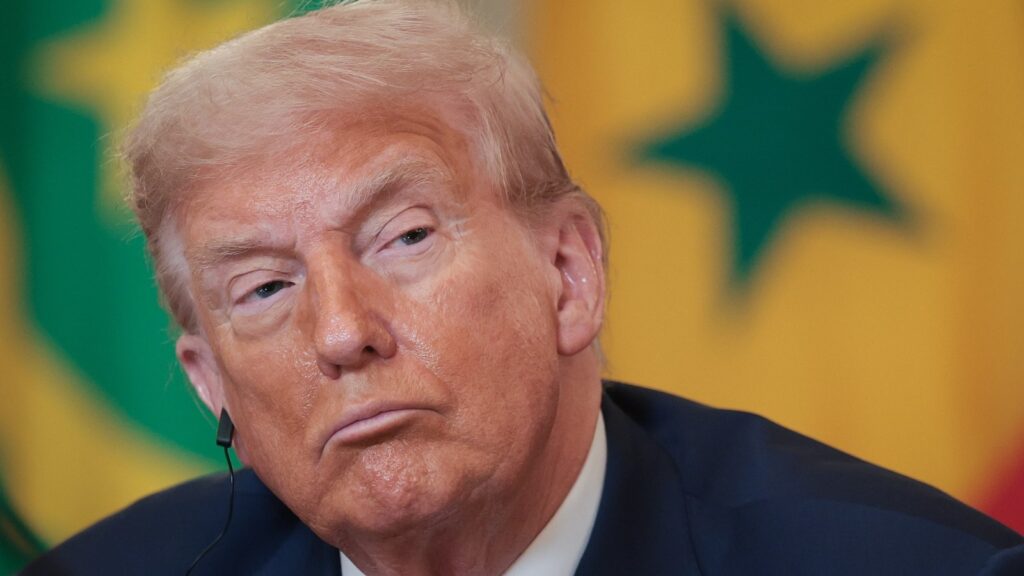
In a startling revelation, a Senate report has outlined a series of “preventable failures” by the Secret Service in connection with an assassination attempt on Donald Trump. The report, released by the Senate Committee on Homeland Security and Governmental Affairs, pinpoints security lapses that could have put the former president in grave danger during his 2024 campaign. These findings not only highlight serious operational flaws but also raise questions about the agency’s preparedness and internal communication.
Security Lapses and Unfulfilled Requests
The Senate report criticized the Secret Service for denying multiple requests from Trump’s security detail to bolster his protection. Despite repeated appeals for increased resources, such as counter snipers and a counter-drone system, these were either denied or left unfulfilled. The report stated, “Agents and officers chose not to retrieve radios from local and state law enforcement, limiting coordination at a critical time.” Known vulnerabilities were identified but not addressed, and inexperienced personnel were in charge of critical operations.
Impact of Delayed Response
Eventually, the Secret Service did approve counter snipers for a crucial event in Butler County, Pennsylvania. This decision proved instrumental, as Committee Chair Sen. Rand Paul highlighted on “Face the Nation.” Without these snipers, the situation could have worsened rapidly. Paul noted, “If he had not had counter snipers, that assassin would have popped up again.” The presence of counter snipers proved essential in stopping the attacker before more shots were fired.
Disciplinary Actions and Internal Controversy
Following the assassination attempt, six Secret Service members faced disciplinary action, including suspension without pay. However, none were terminated, leading to dissatisfaction among committee members. The report mentioned a Secret Service officer who failed to communicate critical information about a suspicious individual with a range finder, which could have altered the course of events.
Sen. Rand Paul expressed frustration at what he described as a lack of accountability within the Secret Service. “They did not want to assess blame,” he remarked. “This was a cover your ass sort of moment.” Paul’s criticisms extended to Secret Service Director Kim Cheatle, whom he accused of denying requests for increased Trump security at the Butler rally, a claim Cheatle has refuted.
Ongoing Debate and Repercussions
Director Cheatle responded to these allegations, asserting that her congressional testimony was based on information available at the time. “Any assertion or implication that I provided misleading testimony is patently false,” she stated, defending her and her team’s actions under the intense scrutiny that followed the assassination attempt. The motives behind the attack by 20-year-old Thomas Matthew Crooks remain undisclosed, leaving many unanswered questions.
The Senate report underscores crucial gaps within the Secret Service, bringing to light the importance of swift and efficient communication to prevent such threats. As the debate continues, the agency is faced with the challenge of restoring trust and ensuring rigorous protective measures for future engagements.