Editor’s note: This story is part of a special series by Princeton University journalism students reporting on the discovery of an African burial ground in Key West, Florida, and how the legacy of slavery still reverberates there and beyond.
As a student at Princeton University, I find myself amidst a complex legacy of history that intersects deeply with the struggles and sufferings of my own family. When I was accepted into this prestigious institution in the fall of 2023, I felt an array of emotions. While it was a celebration of my hard work, it also represented my parents’ sacrifices, echoed against the backdrop of their traumatic experiences during the Liberian conflicts of the 1990s. My education here is not just mine; it is a testament to their resilience, fueling my desire to advocate for Liberia and similar nations in need.
Courtesy of Artemus W. Gaye, PhD
My journey deepened during my sophomore year when I enrolled in a journalism class tasked with uncovering a lesser-known 19th-century narrative of enslaved individuals who were emancipated and transported from Key West, Florida, to West Africa, particularly Liberia. The connection caught my attention immediately when my professor referenced Liberia, a place so personal yet so distant.
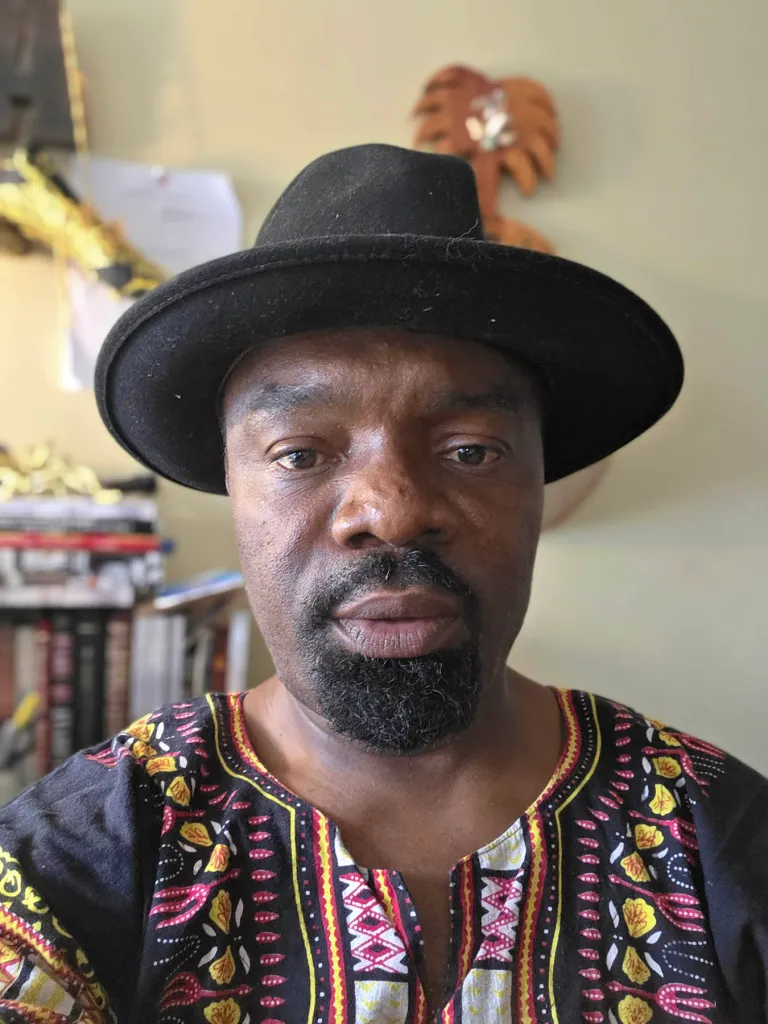
One exceptional moment in class came when we met Dr. Artemus Gaye, a distinguished scholar and activist from Monrovia, Liberia. He had previously connected our professor with the descendants of the emancipated individuals, providing us with a poignant perspective on their legacy. During his visit, Dr. Gaye shared his life experiences and expertly intertwined them with the narratives of those freed from slavery.
An Interwoven Legacy
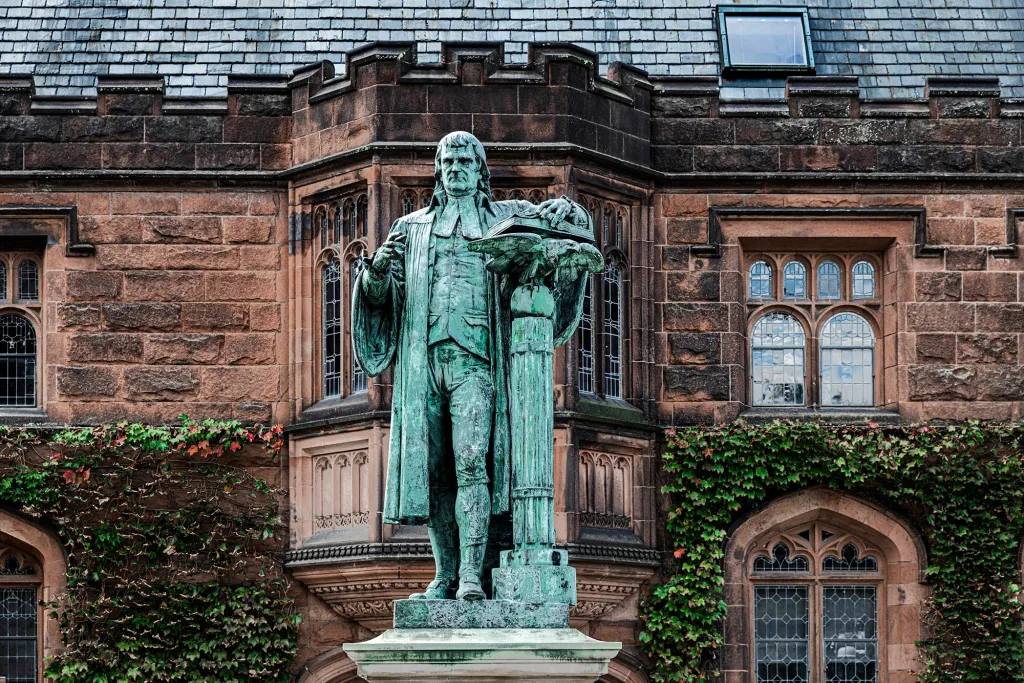
Our first stop on Dr. Gaye’s tour was Pyne Hall, where he and his cousins gazed at the imposing statue of John Witherspoon. Serving as Princeton’s president from 1768 to 1794, Witherspoon is celebrated for expanding the university, yet his legacy is deeply contentious. Student protests have illuminated his connections to slavery, revealing that he held two enslaved individuals and opposed emancipation, a fact that complicates the reverence afforded to his statue.
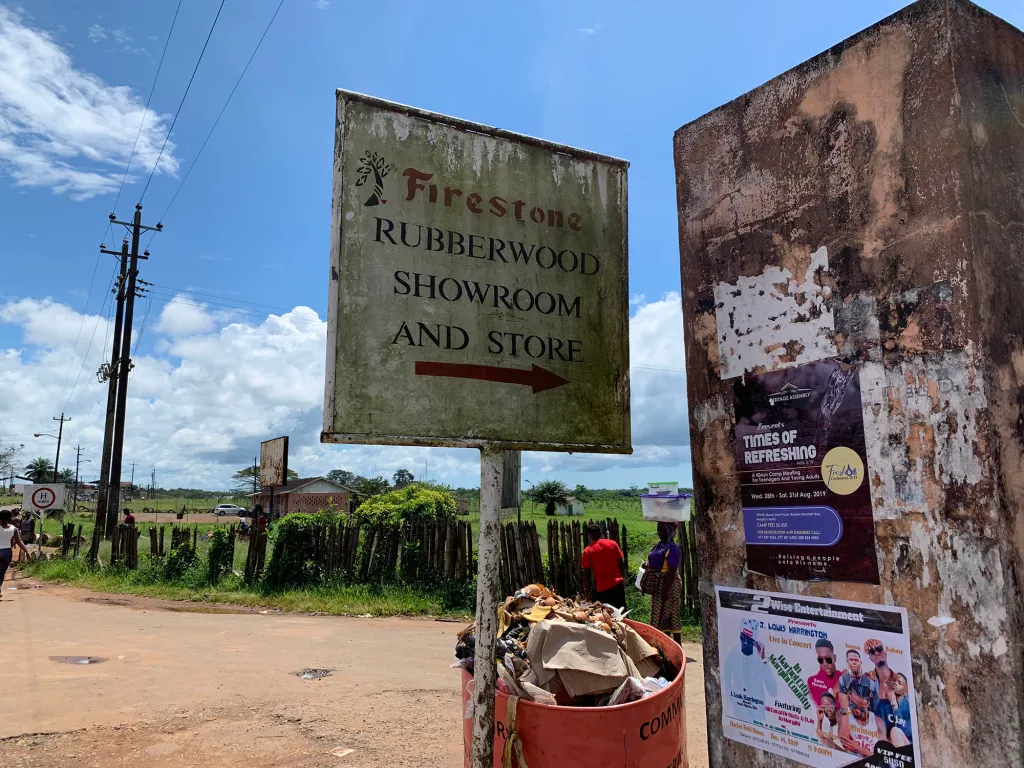
From Pyne Hall, we moved to Firestone Plaza, leading to the Firestone Library, a pivotal resource at Princeton. For many students, “Stone” represents the location of exhaustive late-night study sessions, but for Dr. Gaye and his family, it carries a heavy burden. His relatives have labored on the Firestone plantation, the largest rubber farm globally, located near Monrovia, Liberia, where their efforts made a significant contribution to the university’s resources.
John Greim/LightRocket/Getty Images
As we walked, Dr. Gaye’s cousin, Nathan, recounted harrowing accounts from the plantation, sharing the realities of life there: the odor of burning rubber, the meager wages of $10 a month, and the physical toll endured by laborers. It drove home the stark truth that the sacrifices of his family funded the university’s growth and success—an uncomfortable juxtaposition that many may overlook.
Next, we moved to Nassau Street, arriving at the steps of Nassau Presbyterian Church, where Dr. Gaye presented writings from Reverend Robert Finley, a prominent board member of the Princeton Theological Seminary in the 19th century. Finley argued that free Black individuals would disrupt societal order and should instead return to Africa. This narrative echoes demeaning perspectives that have long persisted in American society and highlight the historical complexities surrounding the origins of Liberia.
The Foundations of Liberia
In his book Empire of Rubber, historian Gregg Mitman encapsulates the painful entanglement of Liberia’s history with plantation labor. Founded by the American Colonization Society in the early 1820s, Liberia emerged under the guise of providing a haven for freed slaves, though the project was steeped in racism and paternalism. Prominent figures from Princeton, such as Charles Mercer, supported this colonization, justifying the displacement of African peoples under the pretense of helping.
The land for Liberia was seized from the indigenous Dei people at gunpoint, exemplified through Robert F. Stockton’s coercive negotiations with local leaders. This violent acquisition underscores the dark foundation upon which the nation’s relationship with American interests was built. Additional Princeton figures, including John Maclean Jr., further underscored the university’s involvement in the colonization movement, exhibiting a complex legacy intertwined with racial exploitation.
Danielle Paquette/”The Washington Post/Getty Images
The establishment of the Firestone Rubber Company’s plantation in Liberia in 1926 marks a key point of interest, as historian Walter Rodney referred to Liberia as effectively a colony of the United States. The company acquired vast tracts of land at unthinkable prices under exploitative conditions, all while using labor practices reminiscent of the antebellum South. Indigenous workers toiled under dire circumstances, with little compensation, creating the wealth that would later benefit institutions like Princeton.
By 1947, the wealth generated from this exploitation led to the establishment of Firestone Library at Princeton, symbolizing the profound yet unsettling relationship between my school and my father’s homeland. As I spent countless hours studying there, I remained unaware of this legacy—an unsettling thought in light of Liberia’s tumultuous history and the conflicts that drove my father from his homeland to the United States.
Princeton’s historical entanglements with the American systems of oppression are increasingly acknowledged, spurred by student activism, notably from the Black Justice League. While their efforts resulted in the renaming of certain spaces and initiatives aimed at uplifting marginalized groups, the connections to Liberia and Firestone have largely remained unaddressed.
Embracing Truth and Remembrance
In a discussion with Professor Eddie Glaude Jr., I reflected on these themes, especially in the context of declining Black admissions at Princeton and nationwide. He described our moment as one of disremembering, echoing Toni Morrison’s observations about society’s selective memory. As Princeton stands as an emblematic institution often dubbed the “Southern Ivy,” it embodies a history that necessitates reckoning with the racial injustices that pervade its past.
Dr. Gaye’s role as the griot of his family’s history is a reminder of the significance of storytelling. It is crucial for individuals like me, pursuing degrees in African American Studies, to recount these narratives and foster connections between past injustices and present realities. This urgency underpins my commitment to return to Liberia, to confront the legacies that have shaped my identity, and to illuminate the lives of those forgotten by history.