Prince William Could Shake Up a Royal Tradition Dating Back to 1348
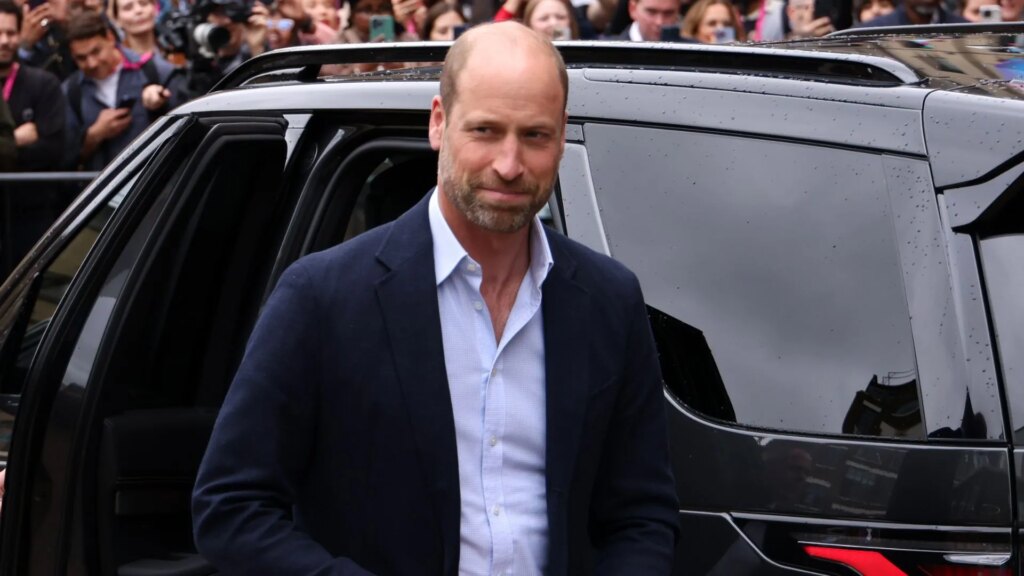
As Prince William prepares for his future role as king, the prospect of modernizing royal customs looms large. His insightful comments about evolving traditions suggest that some of the monarchy’s oldest practices, such as those dating back to 1348, might undergo significant reassessment. This article explores how Prince William could shake up a royal tradition that has long been a cornerstone of British history and what his approach to leadership may reveal for the monarchy’s future.
Modern Perspectives on Garter Day
During a recent episode of HELLO!’s “A Right Royal Podcast,” royal commentators delved into Prince William’s views on the monarchy and how they diverge from those of previous generational leaders. A focal point of their discussion was Garter Day, a revered ceremony established by King Edward III in 1348, which celebrates the Order of the Garter.
The annual event is steeped in tradition, characterized by participants donning opulent velvet and ermine robes, feathered hats, and partaking in a formal procession at Windsor Castle. However, HELLO! royal editor Emily Nash expressed that Prince William might have a different perception of such longstanding rituals.
“I would say [William] is less comfortable with that degree of pomp and pageantry,” Nash noted, highlighting a potential shift in royal values under his reign. Telegraph royal editor Hannah Furness echoed this sentiment, asserting that William takes a modern view on these time-honored customs.
“I think by instinct he is very savvy about what the monarchy is going to look like in the modern world and probably views things like these very traditional ceremonies through the lens of, ‘What does his generation think about it, what do the next generation think about it?’” Furness stated. Although Garter Day holds historical significance, both commentators suggest that it may evolve under his leadership.
Embracing Change in Monarchy
Prince William has been candid about his vision for the royal family, emphasizing his desire for meaningful evolution while honoring its rich history. In a 2025 appearance on Apple TV’s “The Reluctant Traveler,” he remarked, “I think it’s safe to say that change is on my agenda. Change for good. And I embrace that and I enjoy that change. I don’t fear it.”
His perspective suggests that he sees potential for modernizing royal institutions without discarding their essence. “That’s the bit that excites me, is the idea of being able to bring some change,” he further elaborated. William appreciates the importance of maintaining relevance and questioned whether certain traditions remain suitable for today’s society. “Is that still fit for purpose today? Is that still the right thing to do?” he asked, clearly emphasizing his intent to evaluate longstanding customs critically.
Transformative Leadership in the Duchy of Cornwall
Prince William’s modernizing influence is already visible in his management of the Duchy of Cornwall, where he is pioneering strategies that reflect his commitment to innovation. Reports suggest that he plans to sell approximately 20% of the estate over the next decade, aiming to generate about $670 million for funding housing programs, environmental projects, and renewable energy initiatives.
Established in 1337, the Duchy serves to provide income for the heir to the throne, with its current value exceeding $1.3 billion. William’s proactive approach was illustrated by comments from Duchy chief executive Will Bax, who stated, “If we don’t see an opportunity for positive impact, then perhaps we don’t need to be a part of that place.”
Further aligning with this philosophy, William remarked, “We’re not the traditional landowner… we want to be more than that. There is so much good we can do.” His focus on meaningful contributions reflects a modern mindset regarding land stewardship and community engagement, echoing his broader ambitions to reassess the monarchy’s function.
In sum, Prince William’s progressive views signify a turning point for the monarchy as he contemplates how traditions dating back to 1348, like Garter Day, fit into a contemporary society. Through a blend of respect for history and willingness to embrace change, William could very well herald a new era for the royal family, one that balances tradition with relevance in a fast-evolving world.